Accept Customers' Materials For Processing
Customized non-standard products
Fast Delivery
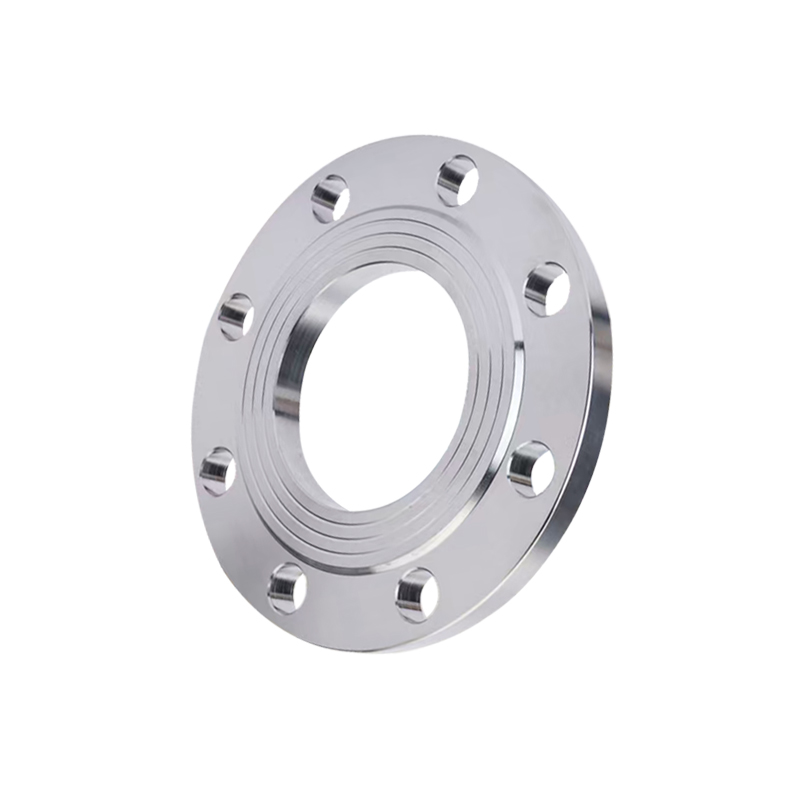
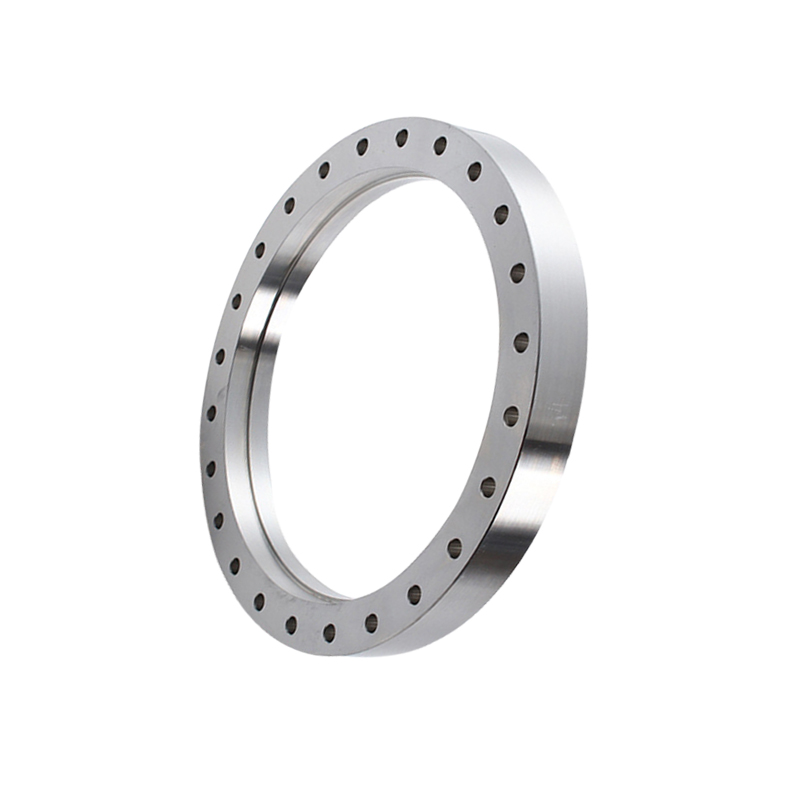
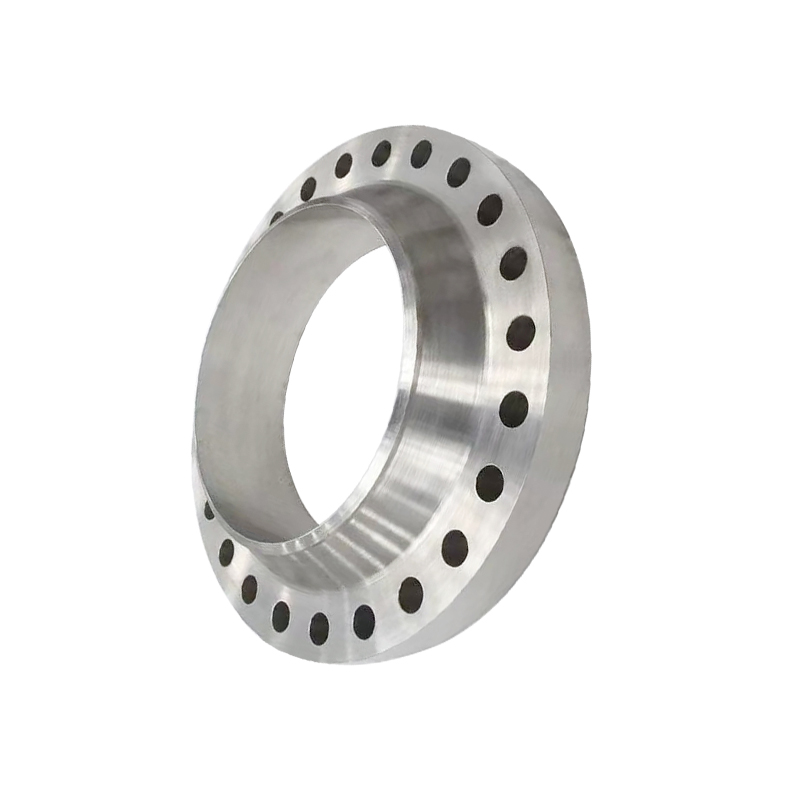
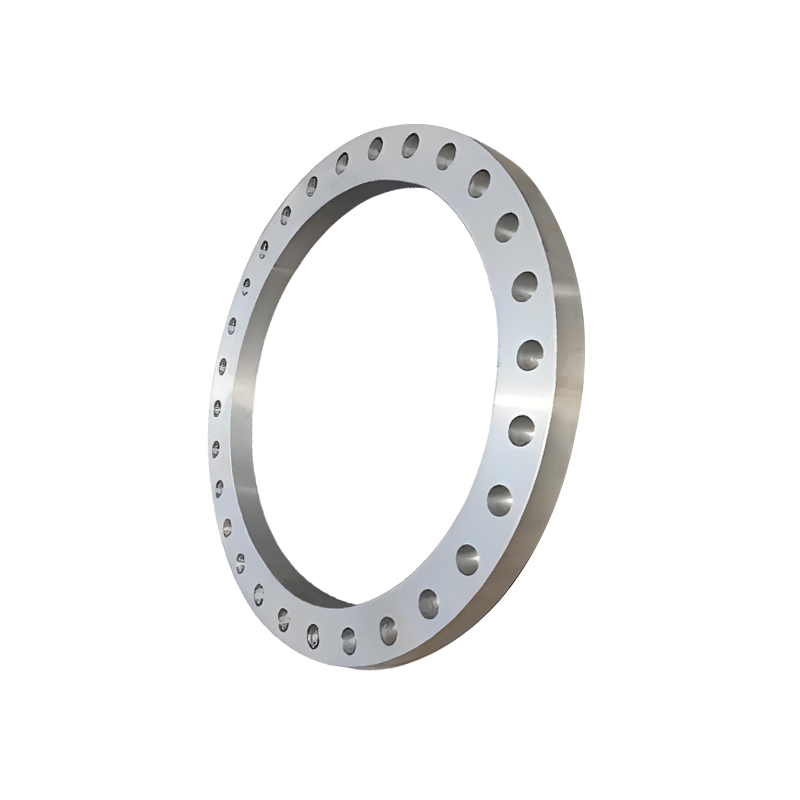
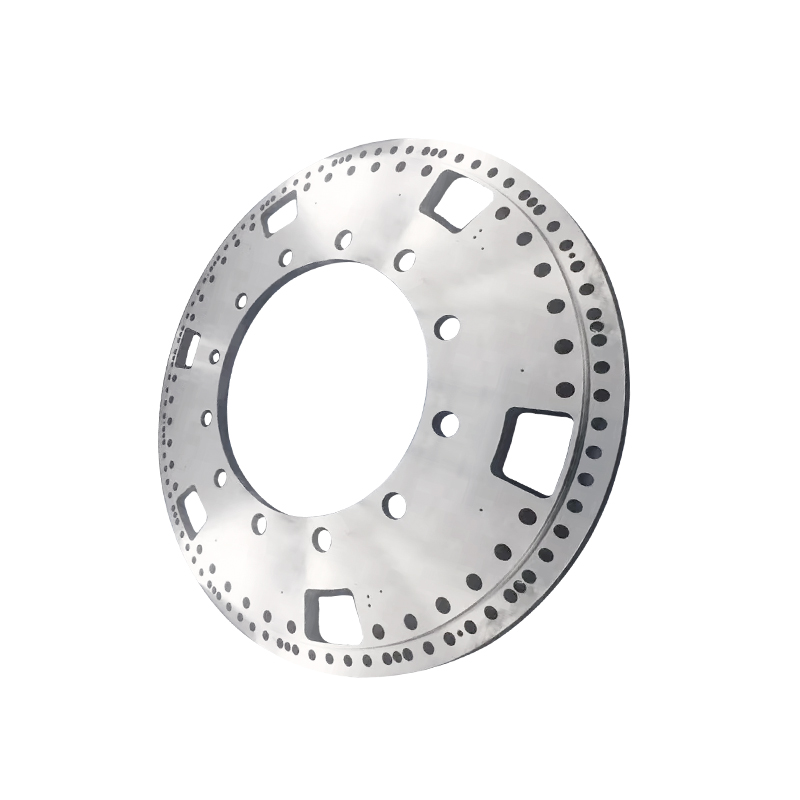
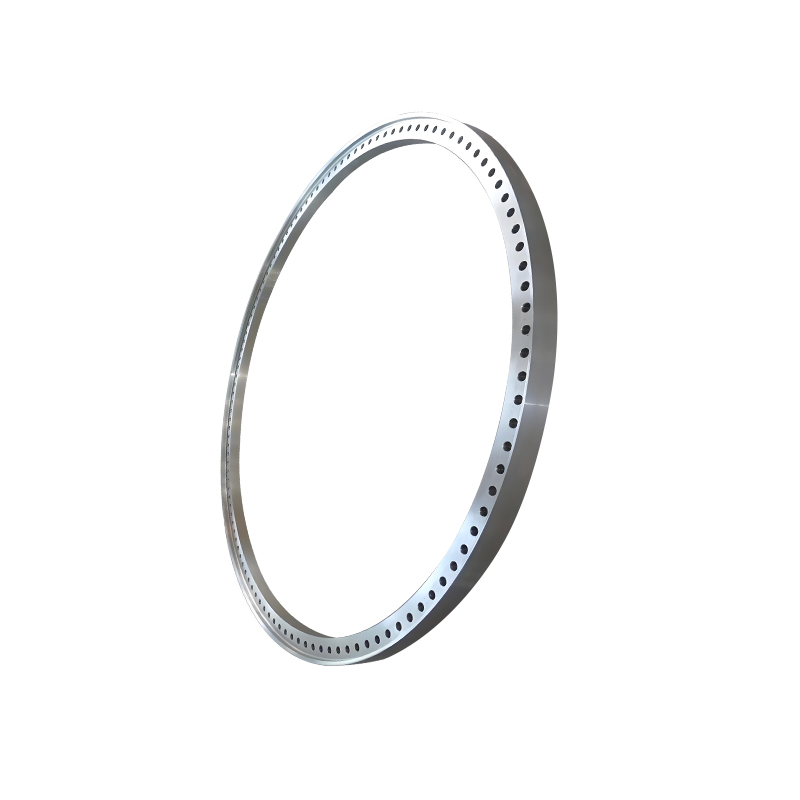
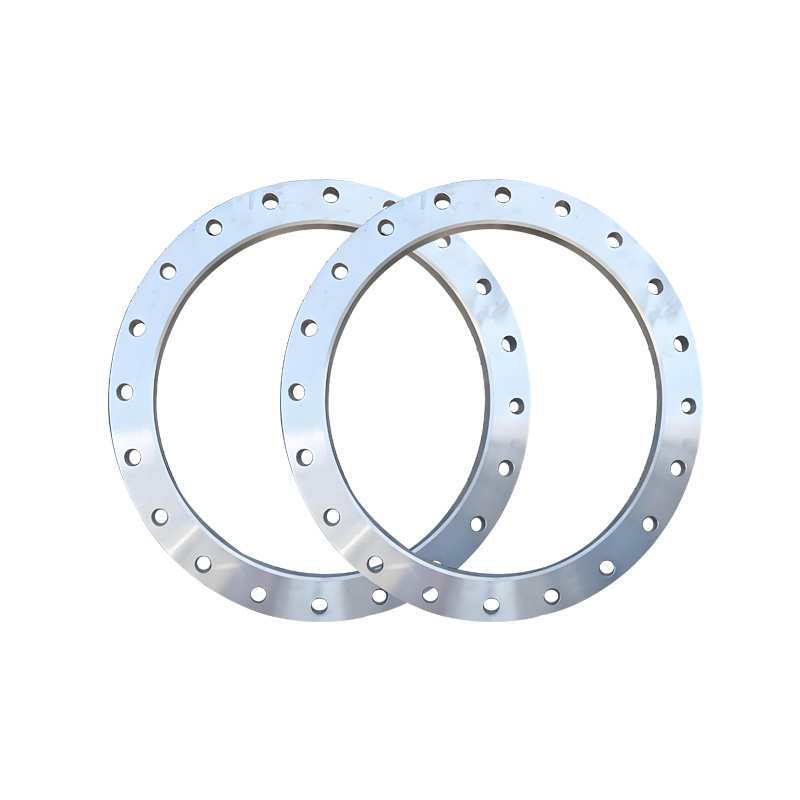
Stainless steel flange Large-diameter flange Weld Neck Flange Slip On Flange Equipment-type flange Special material flange
Home >Product Center >Stainless steel flange
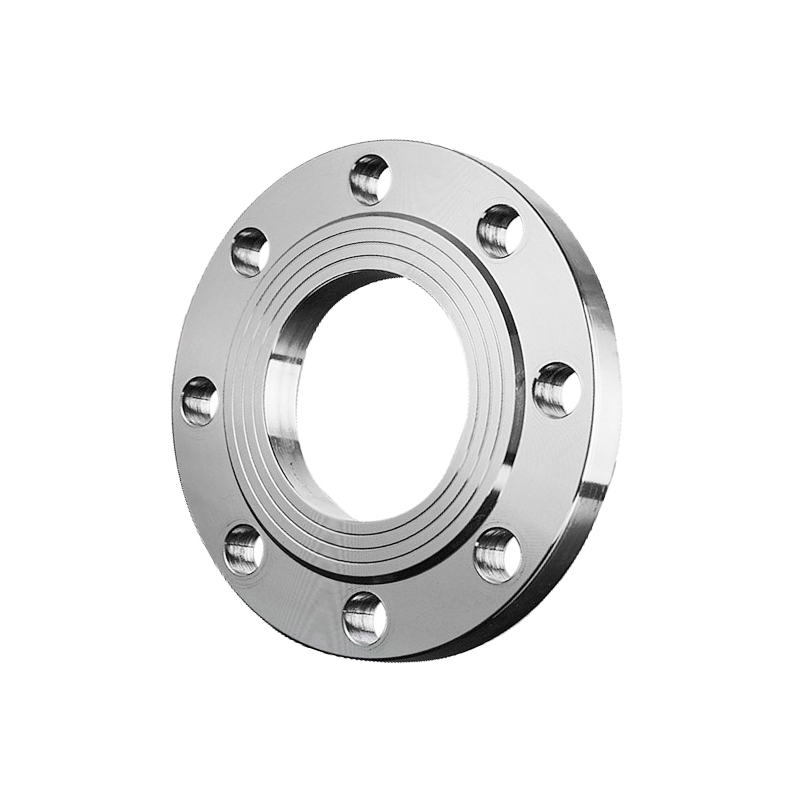
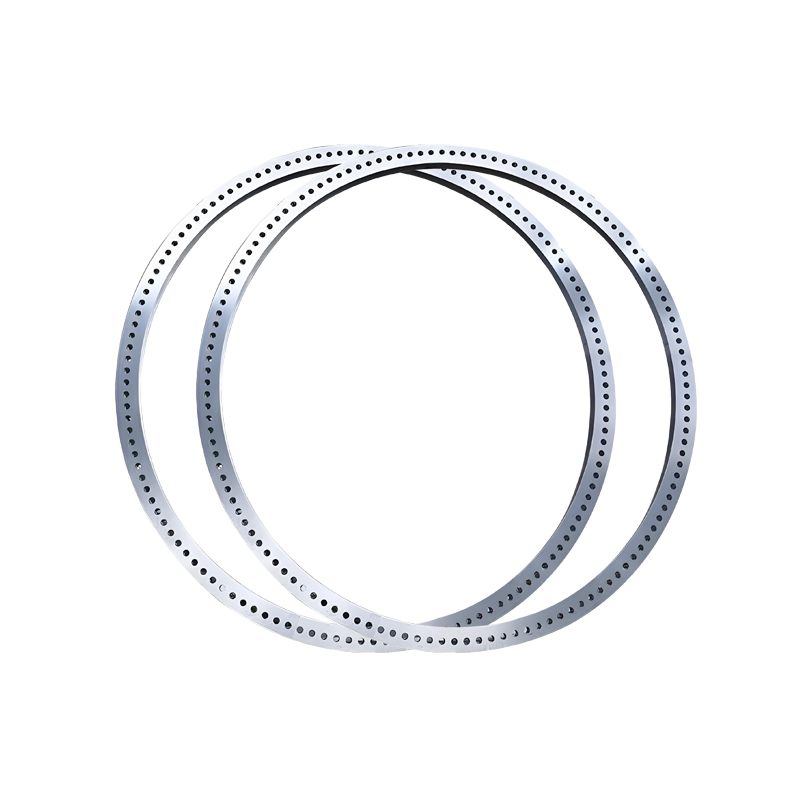
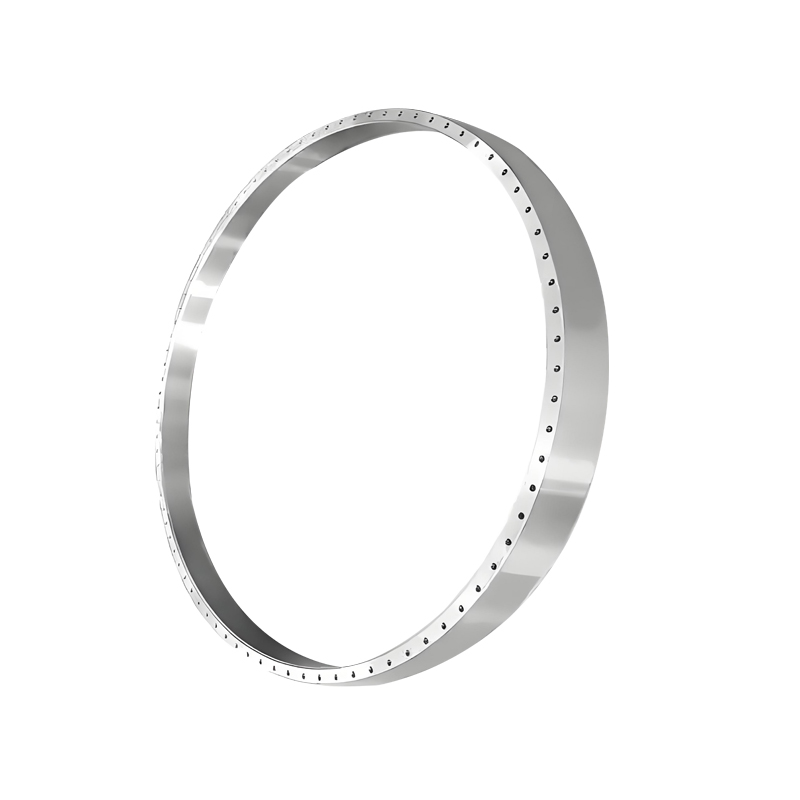
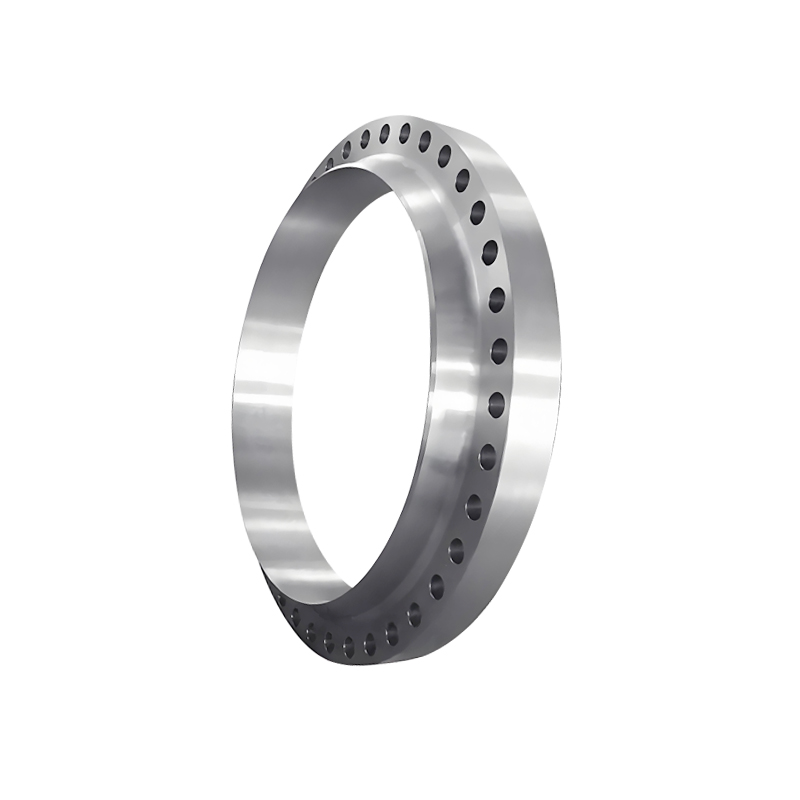
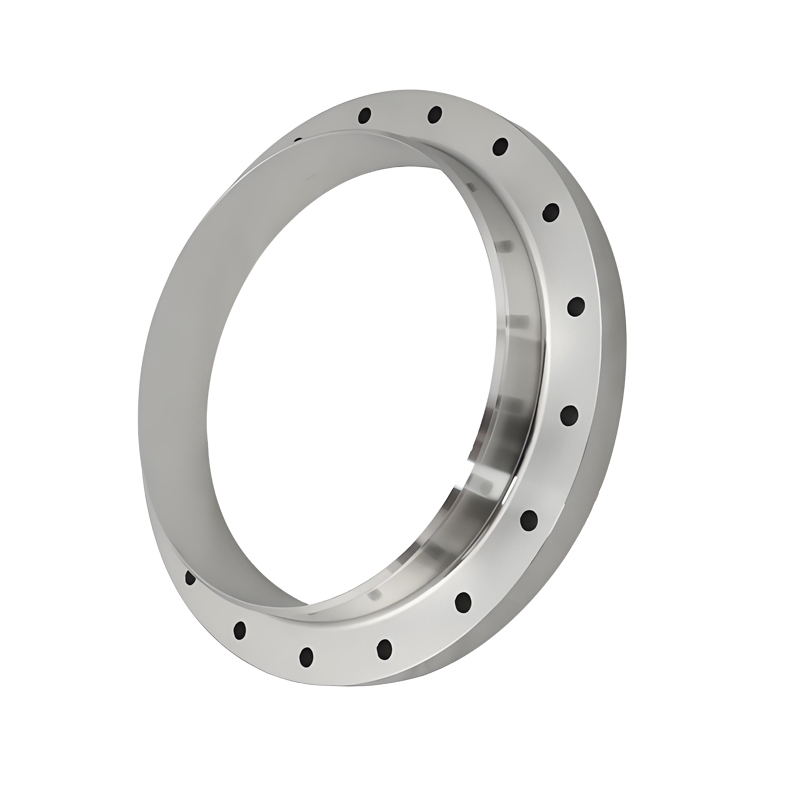
316 stainless steel flange
Product Characteristics:

316 stainless steel flange is a disc-shaped component made of 316 stainless steel, mainly used for connecting equipment such as pipelines, valves, pumps, and containers. Two flanges are tightly connected by bolts and other fasteners to achieve sealing and connection of pipelines or equipment. Here is a detailed introduction about it:

Material characteristics

Corrosion resistance: 316 stainless steel has excellent corrosion resistance, atmospheric corrosion resistance, and high temperature strength due to the addition of molybdenum (Mo) element. It can be used under harsh conditions, such as equipment used in seawater, chemicals, dyes, papermaking, oxalic acid, fertilizers, and other production equipment.

Mechanical properties: Tensile strength not less than 620MPa, yield strength not less than 310MPa, elongation not less than 30%, area reduction not less than 40%, with good toughness and strength.

Specifications and Dimensions

316 stainless steel flanges come in various specifications and sizes, commonly including DN10-DN2000, covering different nominal diameters to meet the connection needs of various pipeline systems. There are also various pressure levels, such as PN0.6, PN1.0, PN1.6, etc., which can adapt to different pressure environments.

Application field

Industrial field: widely used in industries such as chemical, petroleum, papermaking, food, etc., for connecting pipelines and equipment with various corrosive media.

In the field of shipbuilding, due to its excellent resistance to seawater corrosion, it is commonly used for pipeline connections in shipbuilding.

In the field of architecture, 316 stainless steel flanges are also used to connect and seal pipelines in systems such as air conditioning refrigeration and construction machinery.

Installation key points

During installation, two flanges should be placed on both sides of the pipeline or equipment interface to ensure accurate hole alignment. Gaskets should be embedded between the flanges, and then bolts should be used to tightly connect the flanges. When tightening bolts, the diagonal sequence should be followed, and uniform force should be applied to ensure the sealing between flanges, followed by sealing inspection.

Product advantages

316 stainless steel flanges have the advantages of corrosion resistance, high temperature resistance, good stability, long service life, and high reliability. Their design takes into account factors such as easy disassembly, cleaning, maintenance, inspection, and replacement, which can significantly simplify the installation process and reduce cost investment.


Recommended Products