Product Introduction
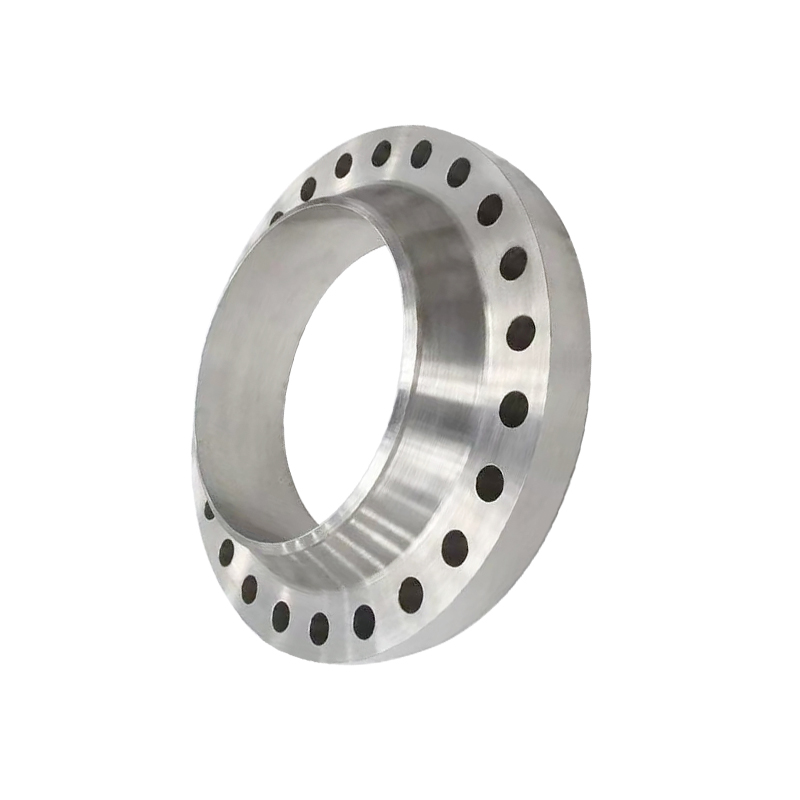
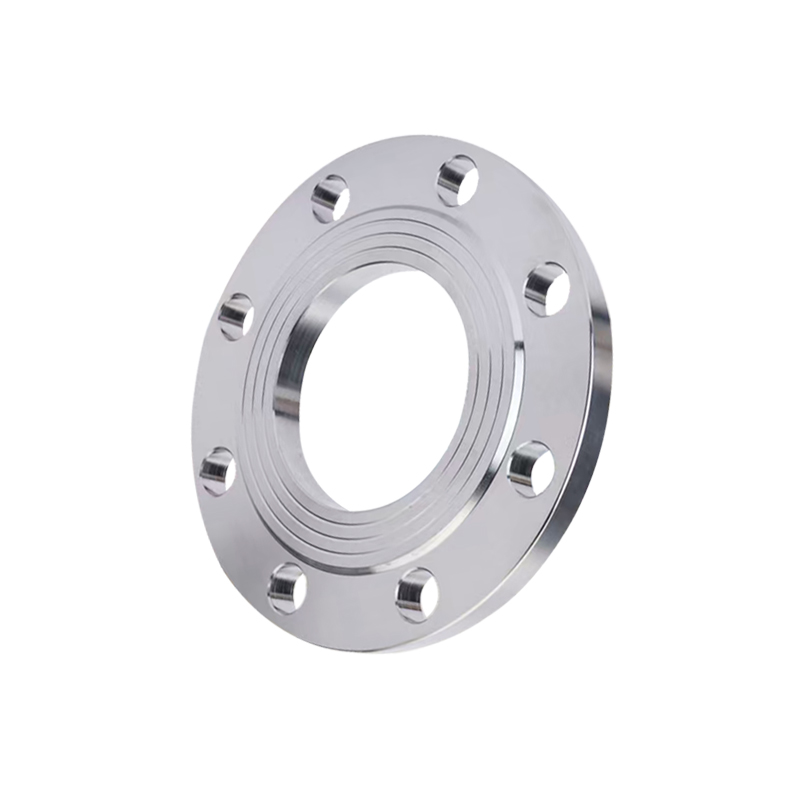
Stainless steel butt welded flange is a disc-shaped component mainly used for connecting equipment such as pipelines, valves, pumps, and containers.
Structural features: The butt welding flange directly welds the neck of the flange onto the pipeline. Its neck design is conducive to stress dispersion and can withstand high pressure, making it particularly suitable for use in high-pressure and high-temperature environments.
Working principle: Prepare two flanges, place them at both ends of the pipeline or equipment and ensure that the holes are aligned. Then place a gasket between the two flanges and use bolts to connect them together. Tighten the bolts evenly in diagonal order to ensure sealing performance. Finally, check for leaks at the connection.
Advantages and Features
High strength: By using welding technology to tightly connect the flange to the pipeline, the loosening problem that may exist in traditional bolt connections is eliminated, resulting in higher connection strength.
Good sealing performance: The tightness of welding makes the welded stainless steel flange have good sealing performance, reducing the risk of leakage, especially suitable for application in systems with high pressure and fluid temperature.
Strong corrosion resistance: Stainless steel material itself has good corrosion resistance, which enables butt welded flanges to maintain excellent performance in various harsh environments, especially in acid resistance, alkali resistance, oxidation resistance, and other aspects.
Strong adaptability: It can adapt to various environmental conditions, and different types of stainless steel materials can be selected according to the specific requirements of the working environment. It can work stably in high temperature and high pressure environments.
Application areas: Widely used in industries such as petrochemicals, natural gas, food processing, shipbuilding, construction, pharmaceuticals, power, and marine engineering. Pipeline systems in these fields are often exposed to high temperature, high pressure, or corrosive environments. The strength and corrosion resistance of welded stainless steel flanges make them ideal connecting components.
Manufacturing process: generally includes steps such as raw material selection, cutting and forming, welding, inspection and pressure testing. It is necessary to select suitable high-quality stainless steel materials, cut, stretch, and form them, and then use automatic welding or manual welding for welding. After welding, the welding quality, dimensional accuracy, and pressure bearing capacity of the flange should be strictly inspected.

304 stainless steel flange
Stainless steel flange
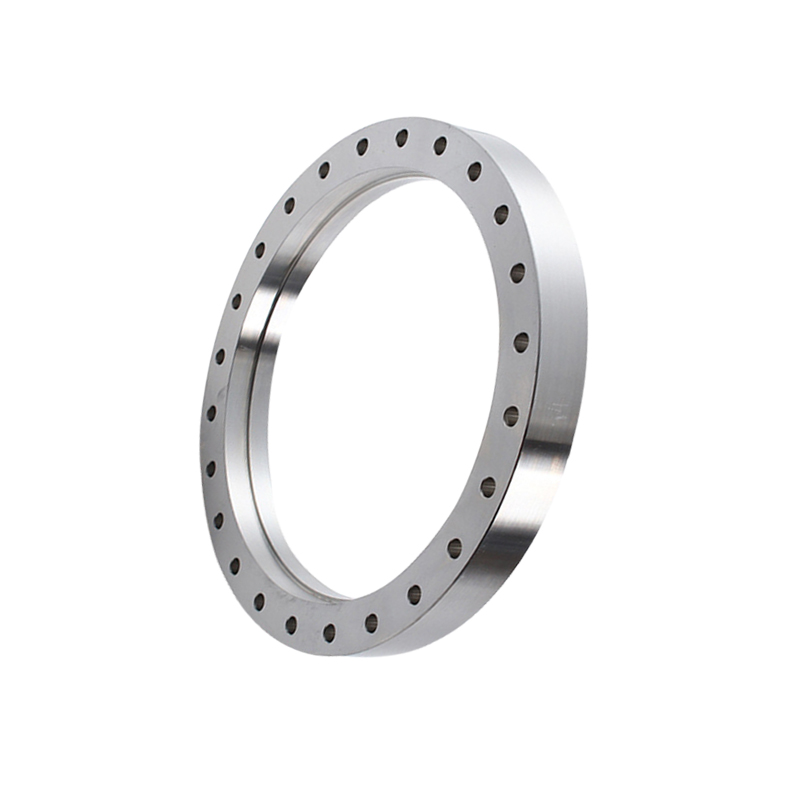
316 stainless steel flange
Stainless steel flange
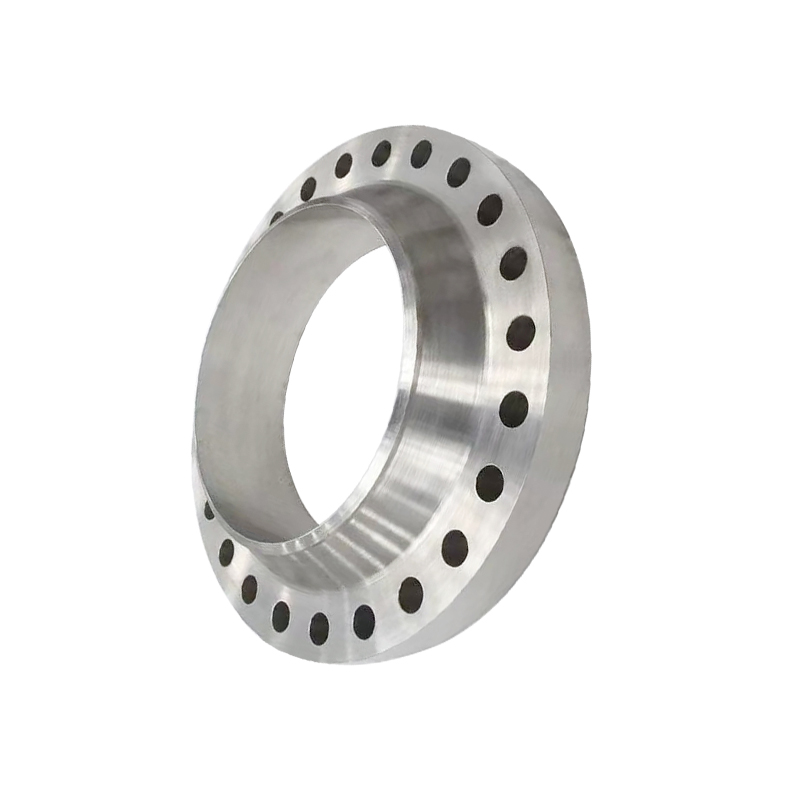
Stainless steel welded flange
Stainless steel flange
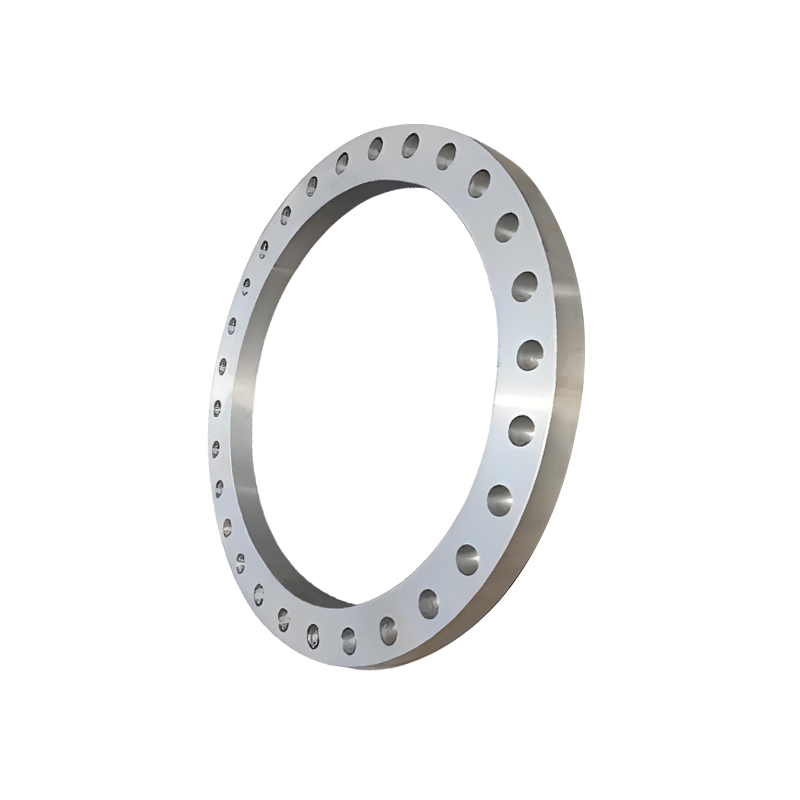
Stainless steel flat welding flange
Stainless steel flange
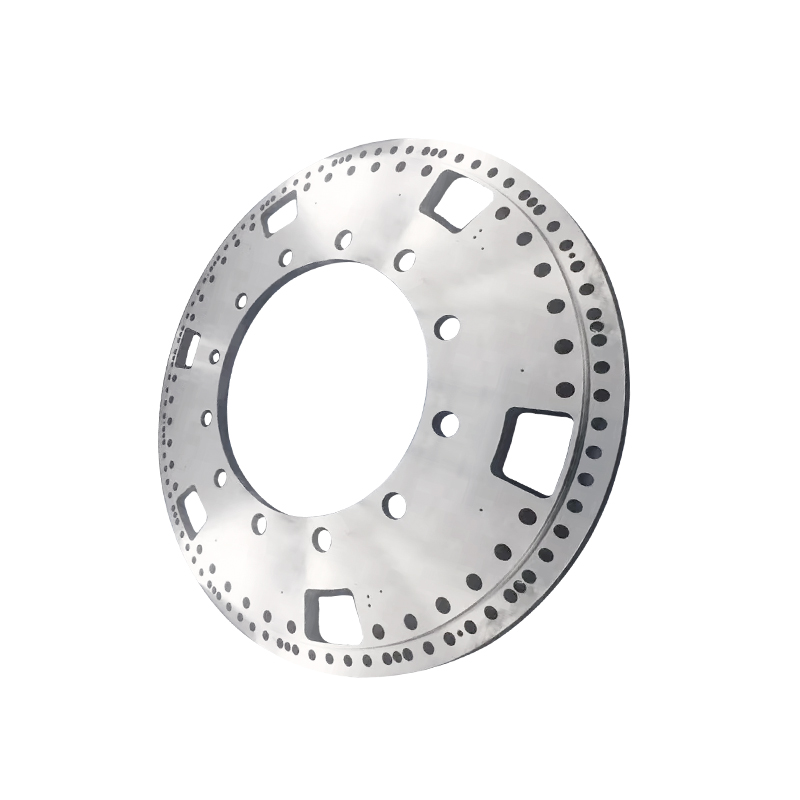
Stainless steel special-shaped flange
Stainless steel flange
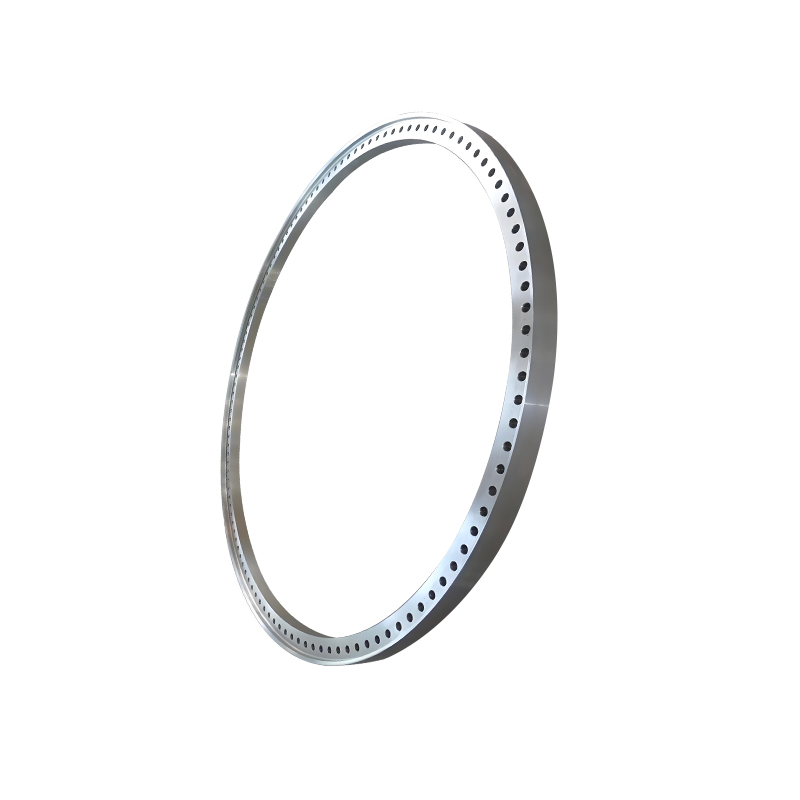
Large diameter stainless steel flange
Large-diameter flange
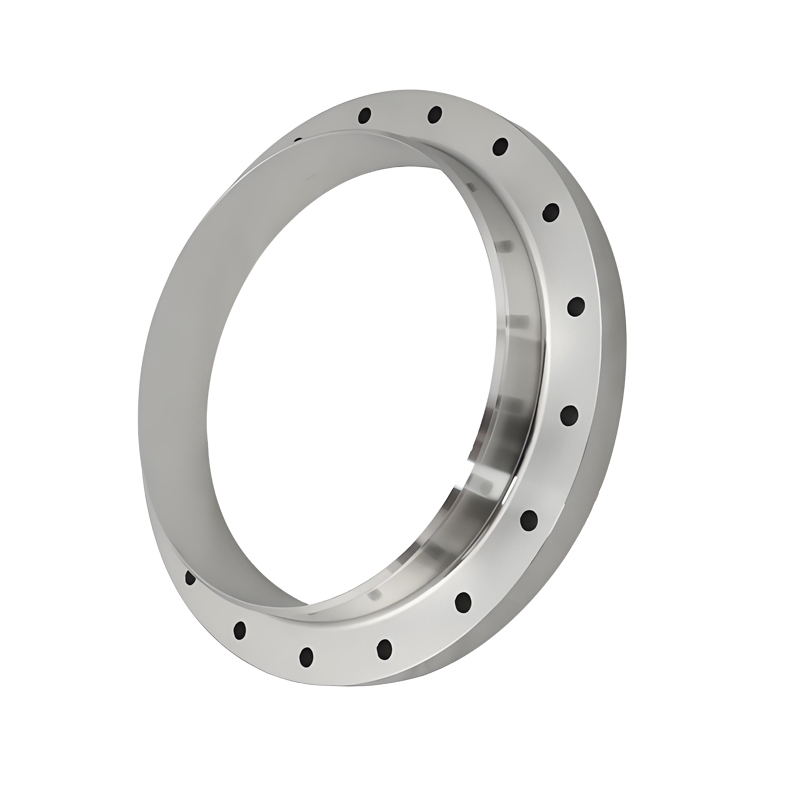
Large diameter welded flange
Large-diameter flange
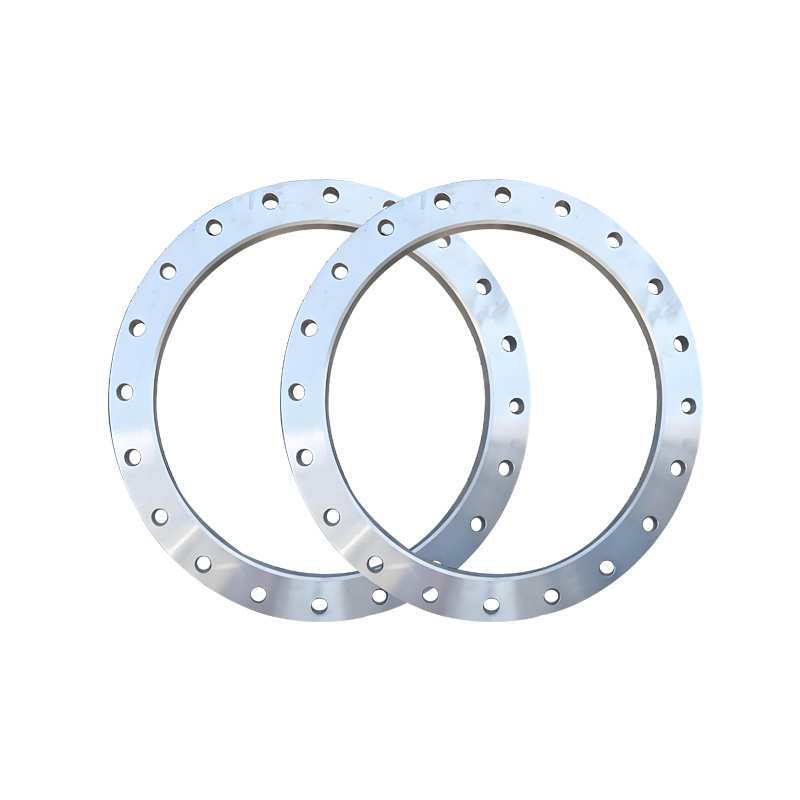
Large diameter flange
Large-diameter flange
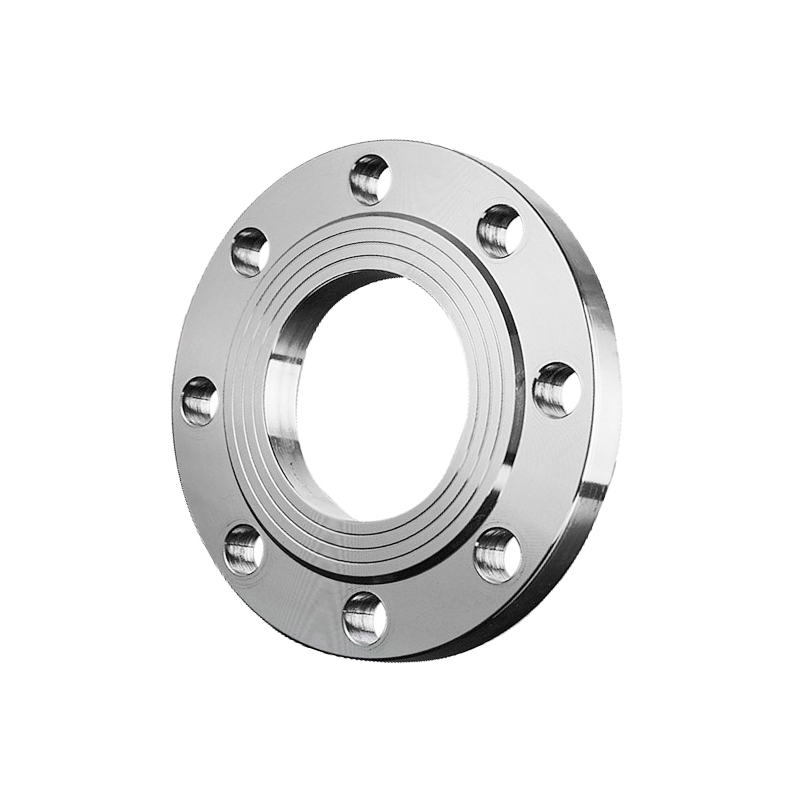
Large diameter high-pressure flange
Large-diameter flange
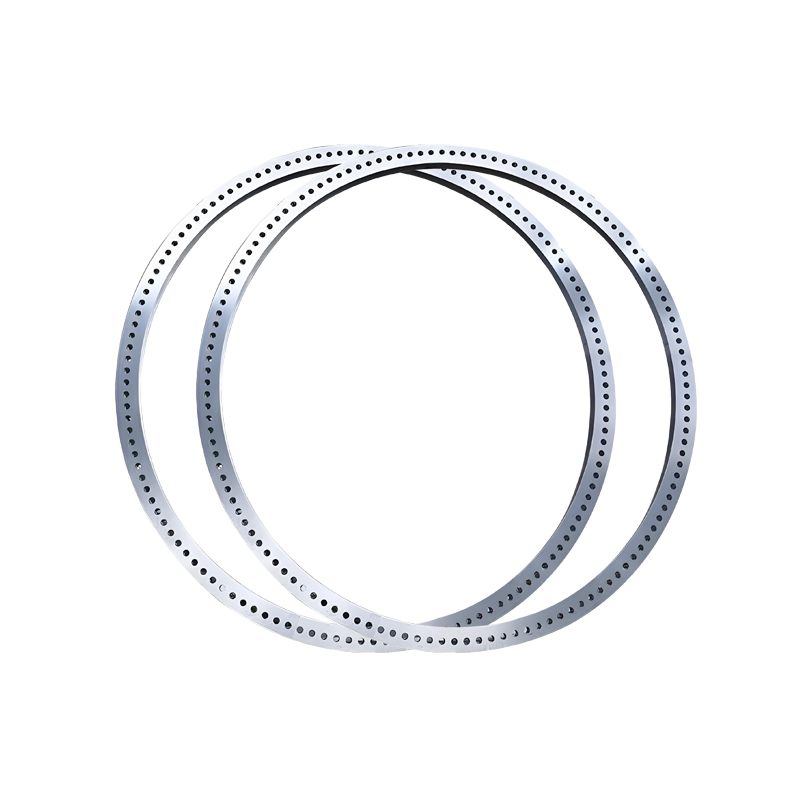
Large diameter flat welding flange
Large-diameter flange
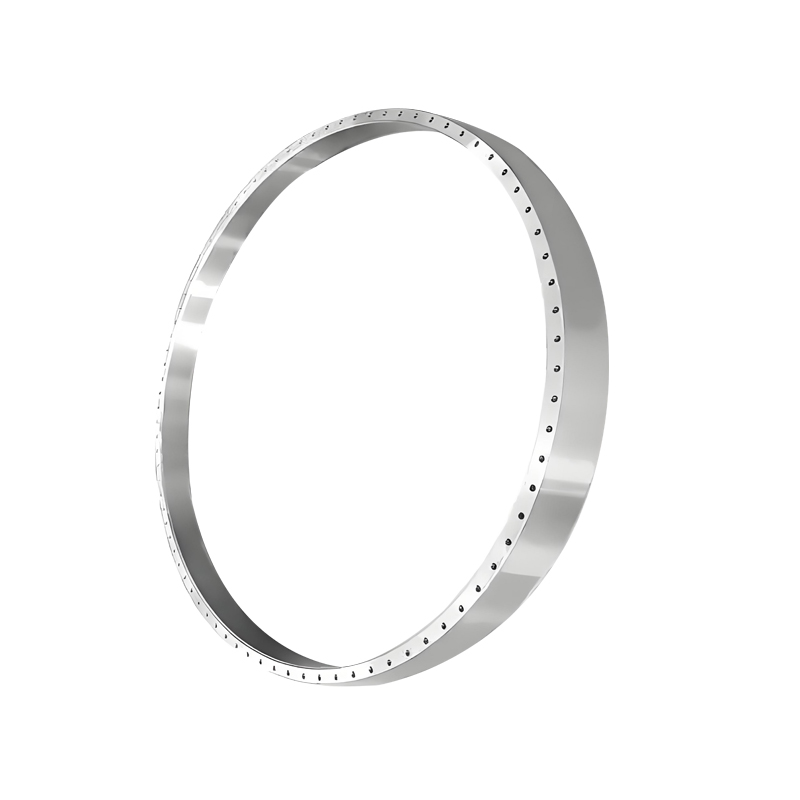
Carbon steel large-diameter flange
Large-diameter flange
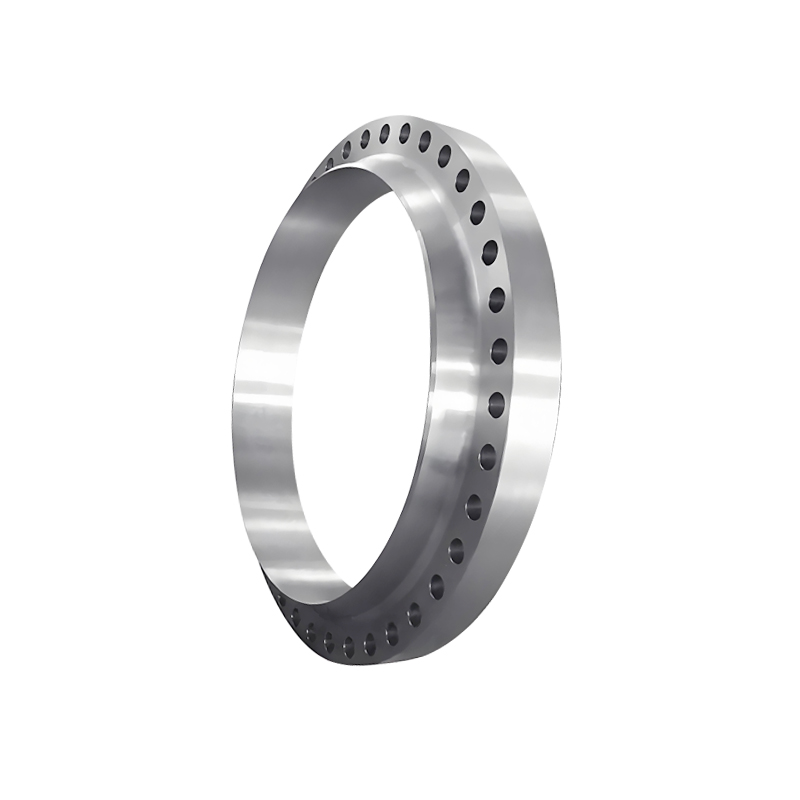
Neck welding flange
Weld Neck Flange



English
简体中文


Zhejiang Public Security Bureau Special Registration No. 33112302000124