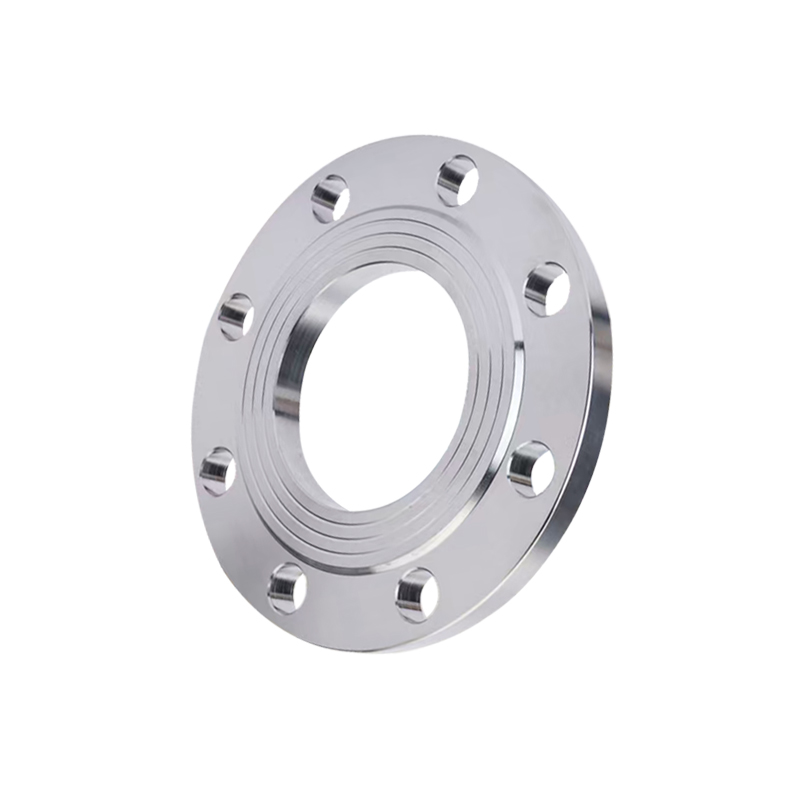
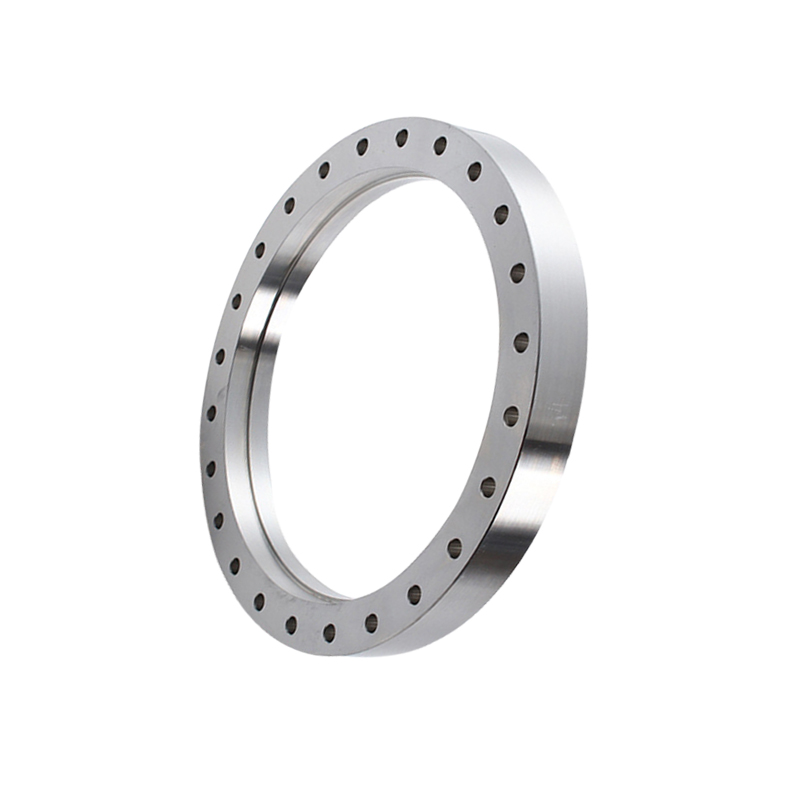
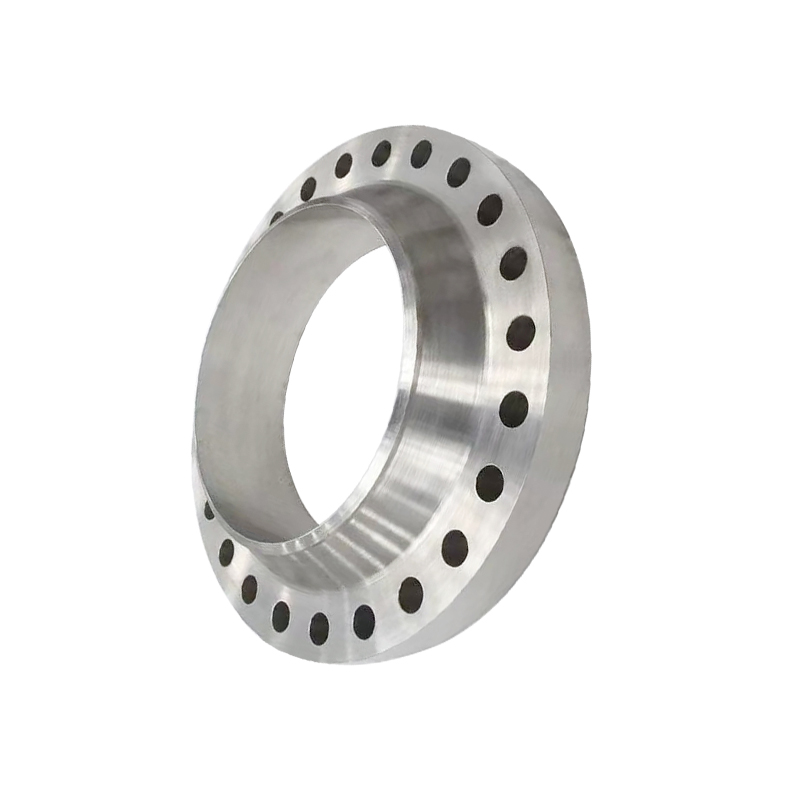
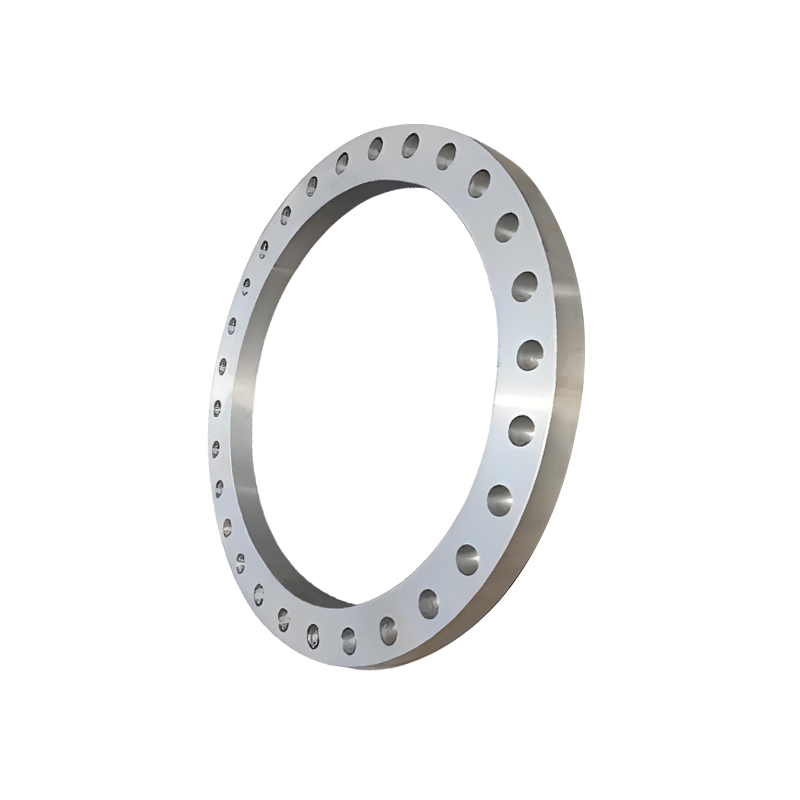
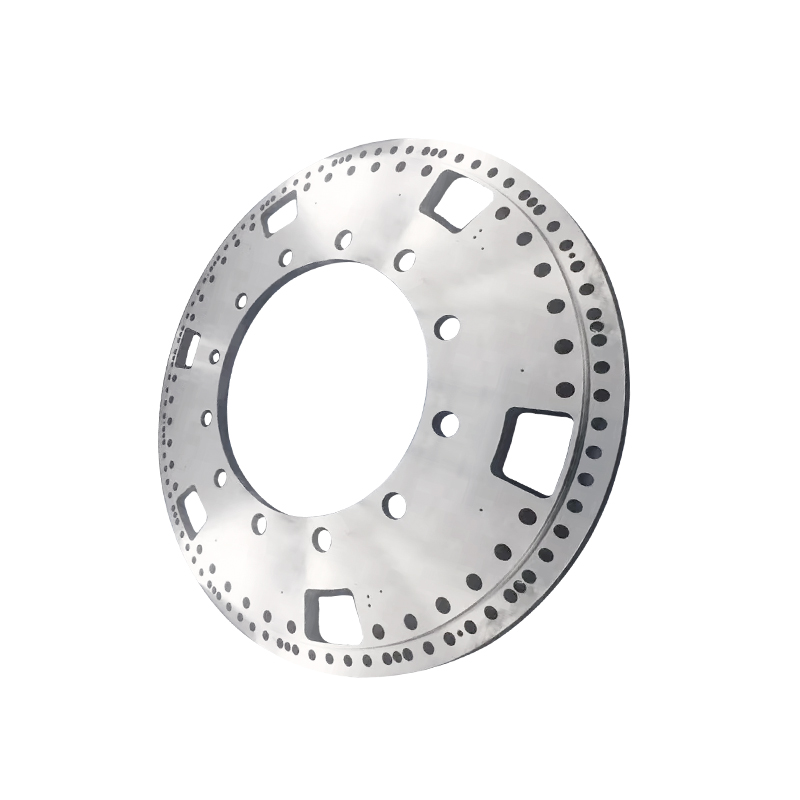
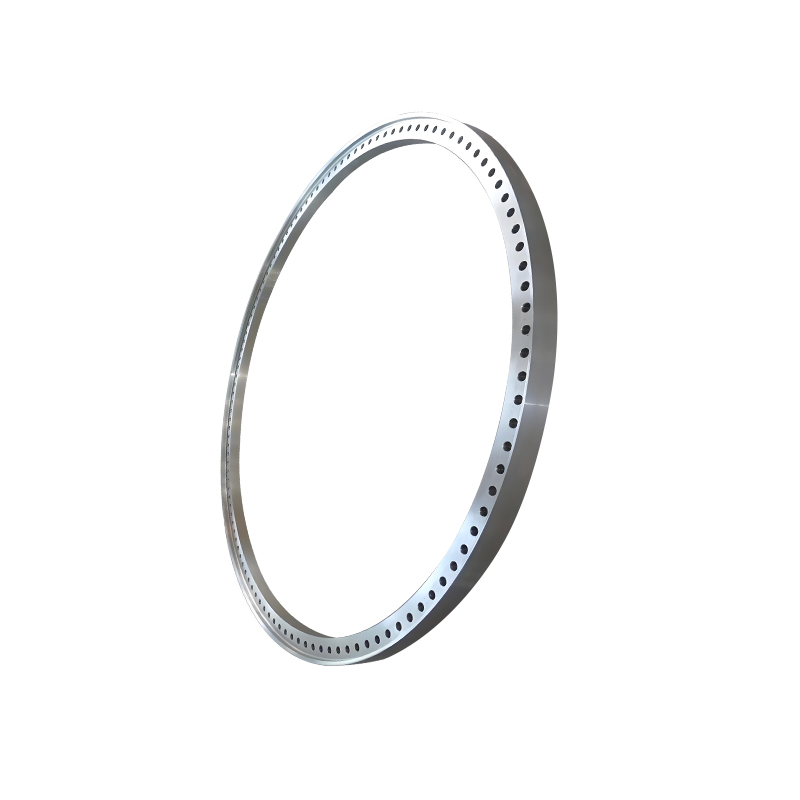
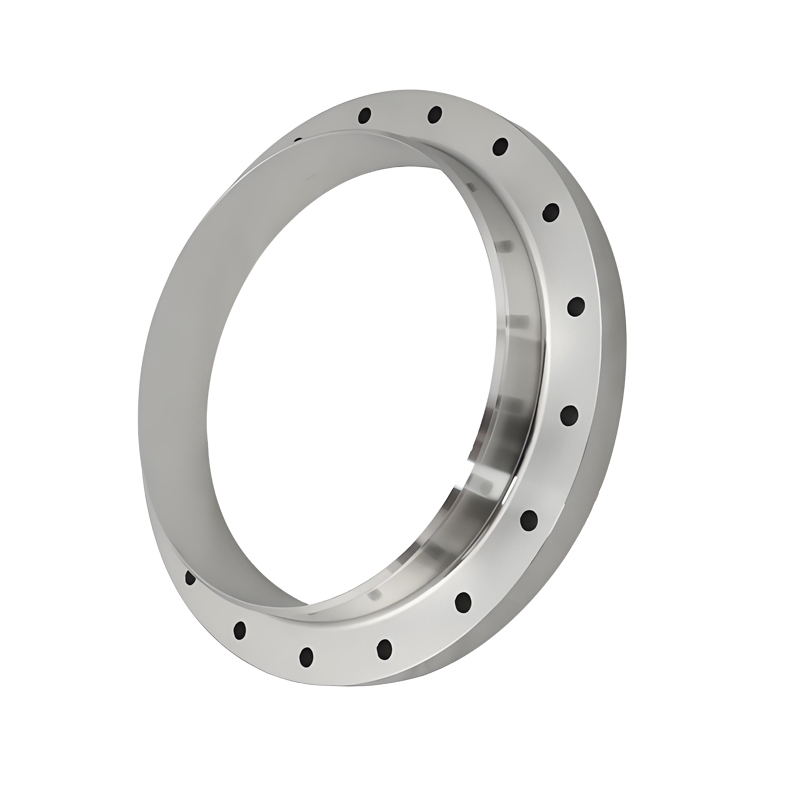
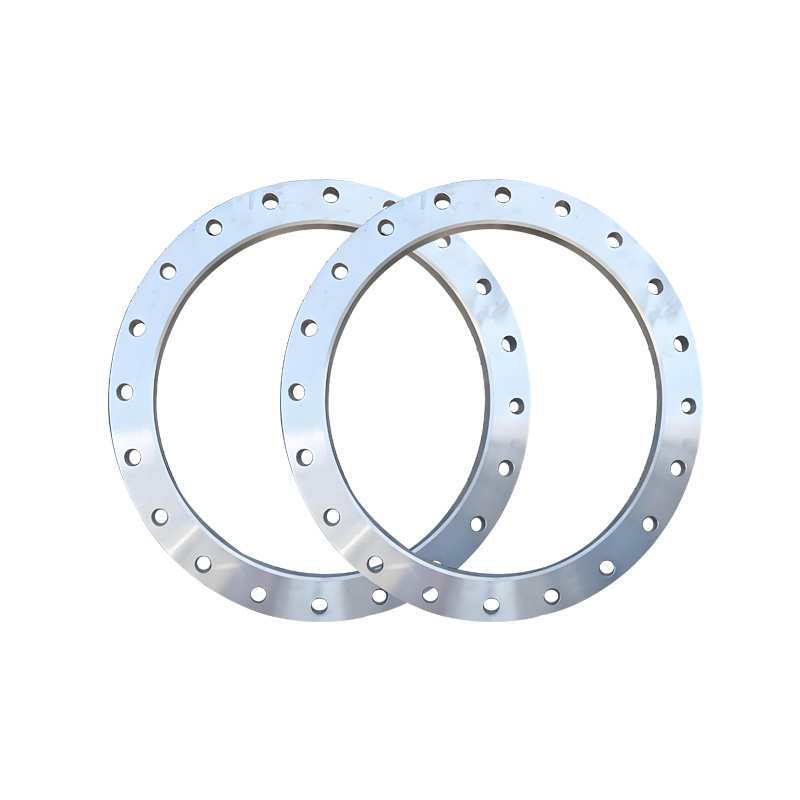
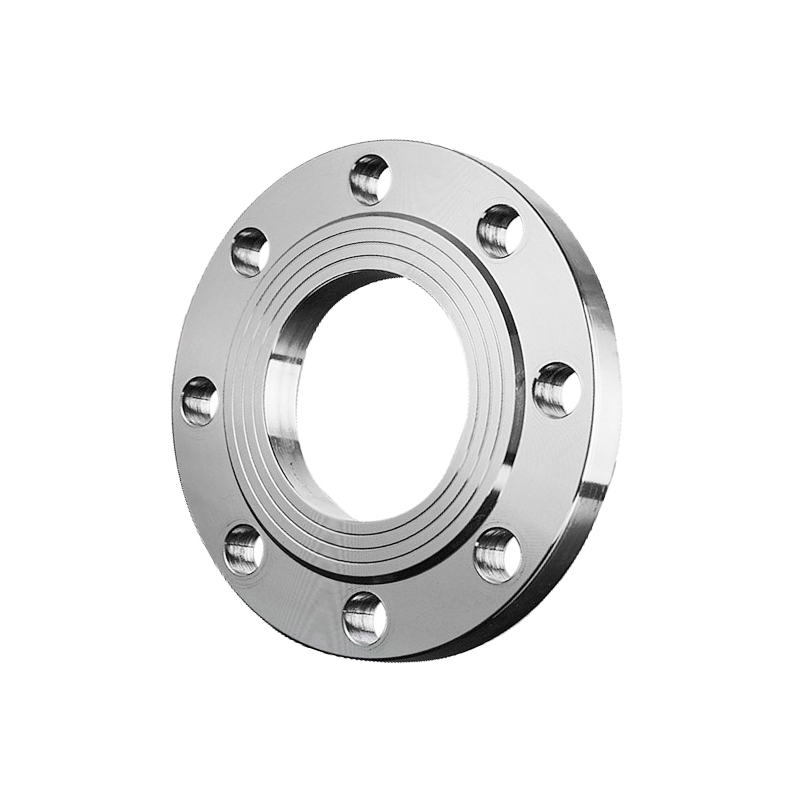
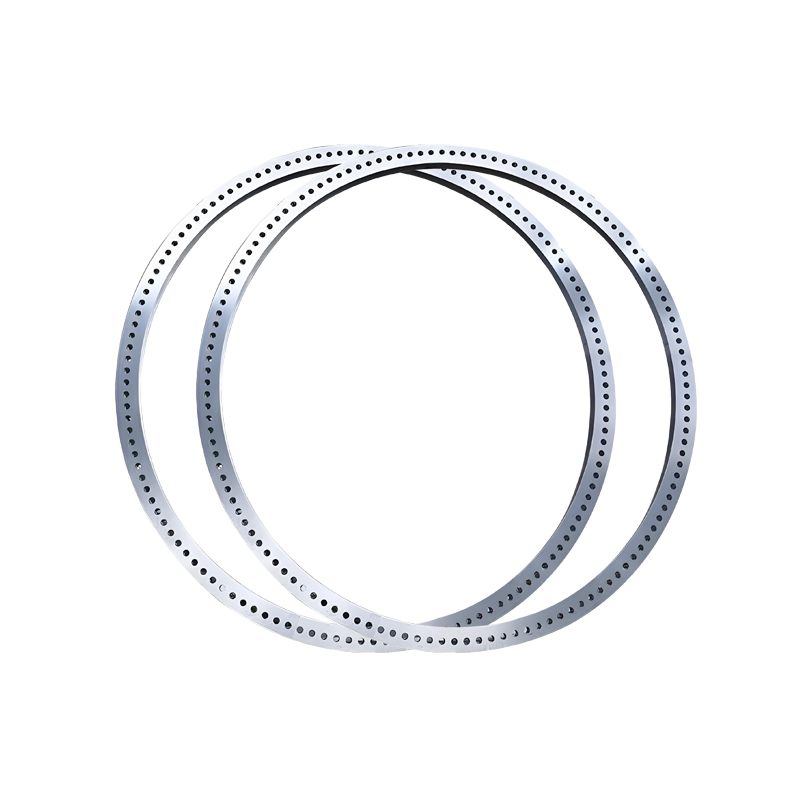
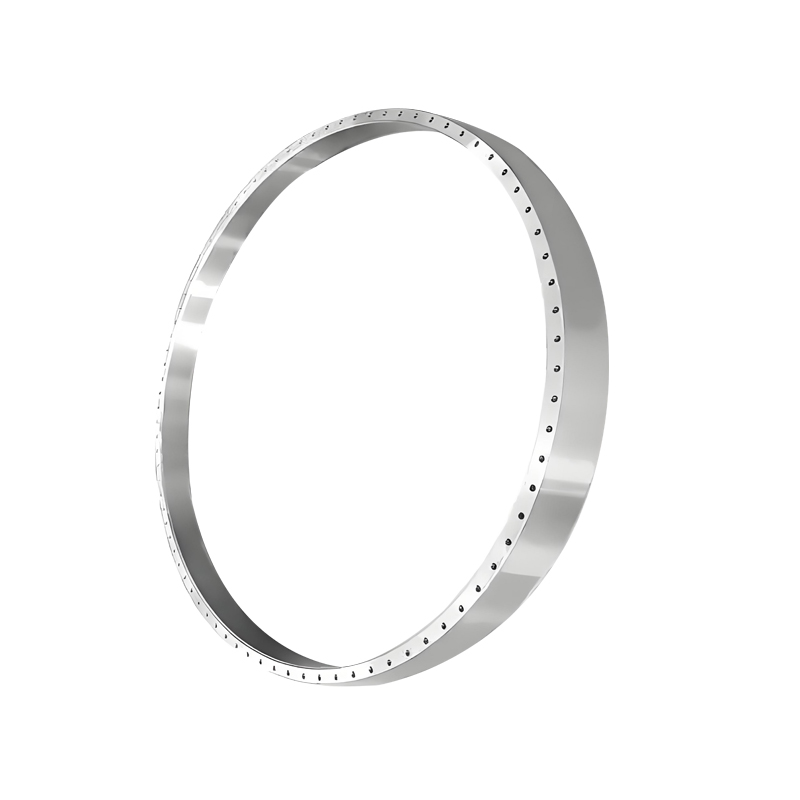
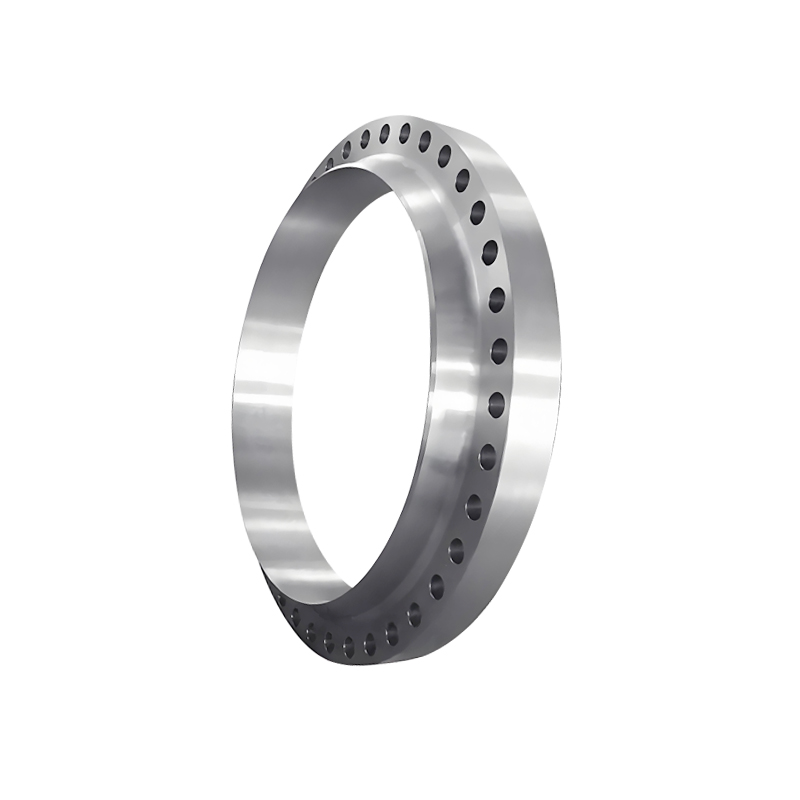
Hastelloy flange is a highly corrosion-resistant and high-strength pipeline connecting component made of Hastelloy alloy, widely used in fields such as petrochemicals and marine engineering. Here is a detailed introduction about it:
Material Properties
Main components: Hastelloy is a nickel molybdenum chromium based superalloys. Taking Hastelloy C-276 as an example, its main components include nickel (≥ 52%), molybdenum (15-17%), chromium (14.5-16.5%), and contain small amounts of tungsten, iron, and other elements.
Corrosion resistance: It has strong corrosion resistance to mixed oxidizing and reducing acids, solutions containing chloride ions, etc. For example, in hydrochloric acid with a boiling point of 20%, the corrosion rate of Hastelloy C-276 is less than 0.1mm/year, while the corrosion rate of 316L stainless steel is greater than 10mm/year.
High temperature performance: It has good high-temperature stability, with a strength retention rate of over 80% at 540 ℃, and can withstand high temperatures of 1150 ℃ for a short period of time.
Mechanical properties: Tensile strength ≥ 690MPa at room temperature, yield strength ≥ 283MPa, high ductility even at -196 ℃, elongation ≥ 40%, and both toughness and toughness.
Manufacturing process
Forging: Advanced free forging, die forging and other processes are required, usually with multiple deformations at 1200 ℃ to break down coarse grains and improve toughness. Rapid water cooling after forging suppresses the precipitation of the σ phase and maintains a single-phase austenite structure.
Machining: Due to the easy work hardening of Hastelloy alloy, low-speed cutting with a linear speed of ≤ 20m/min is required during machining, and diamond coated hard alloy cutting tools are used. Water emulsion is continuously cooled to prevent local overheating and phase transformation.
Welding: A mixture of 98% Ar+2% N ₂ gas is used for gas protection, and the interlayer temperature is strictly controlled below 150 ℃ to avoid grain coarsening in the heat affected zone. No heat treatment is required after welding, and acid pickling and passivation can be performed directly.
Application field
Chemical and petroleum industries: commonly used in the connection parts of reactors, heat exchangers, pipeline systems, and other critical equipment, which can resist the erosion of corrosive media such as hydrogen chloride, sulfuric acid, and chlorides.
Ocean and Environmental Protection Industry: Widely used in offshore platforms and deep-sea pipelines in marine engineering, as well as in waste gas treatment systems and sewage treatment plant pipeline systems in the field of environmental protection, it can effectively resist corrosion from seawater, acidic waste gas, etc.
Energy and Nuclear Energy Industry: Suitable for high-temperature pipelines such as reactor cooling systems and heat exchangers in nuclear power plants, as well as pipeline connections in high-temperature and high-pressure environments such as thermal power plants.
Execution standard
The manufacturing of Hastelloy flanges must comply with international standards such as ASTM, ASME, DIN, etc. to ensure consistency in product quality and performance.



 English
 简体中文
简体中文






 Zhejiang Public Security Bureau Special Registration No. 33112302000124