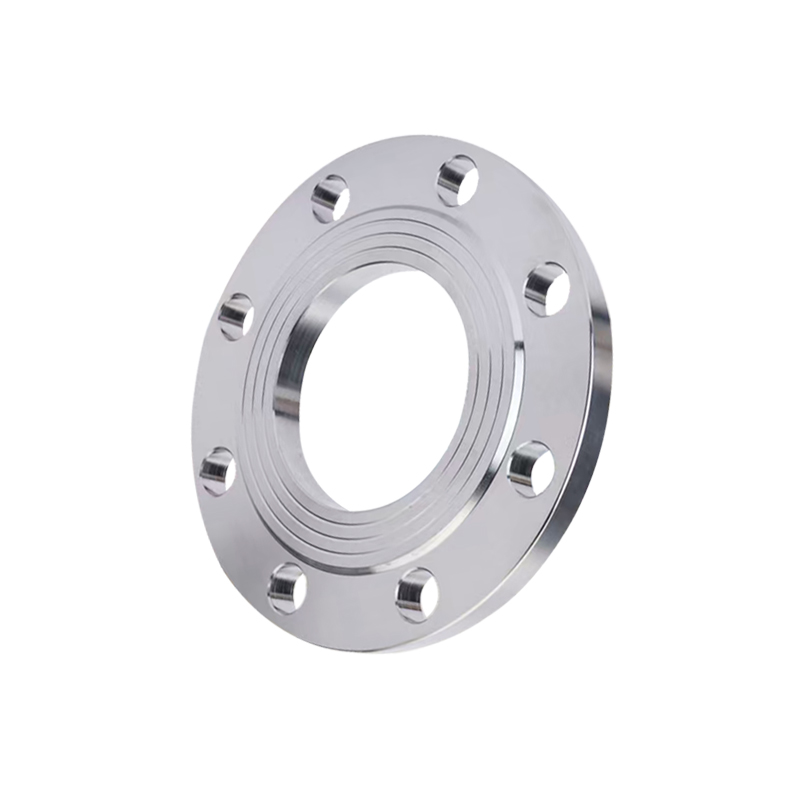
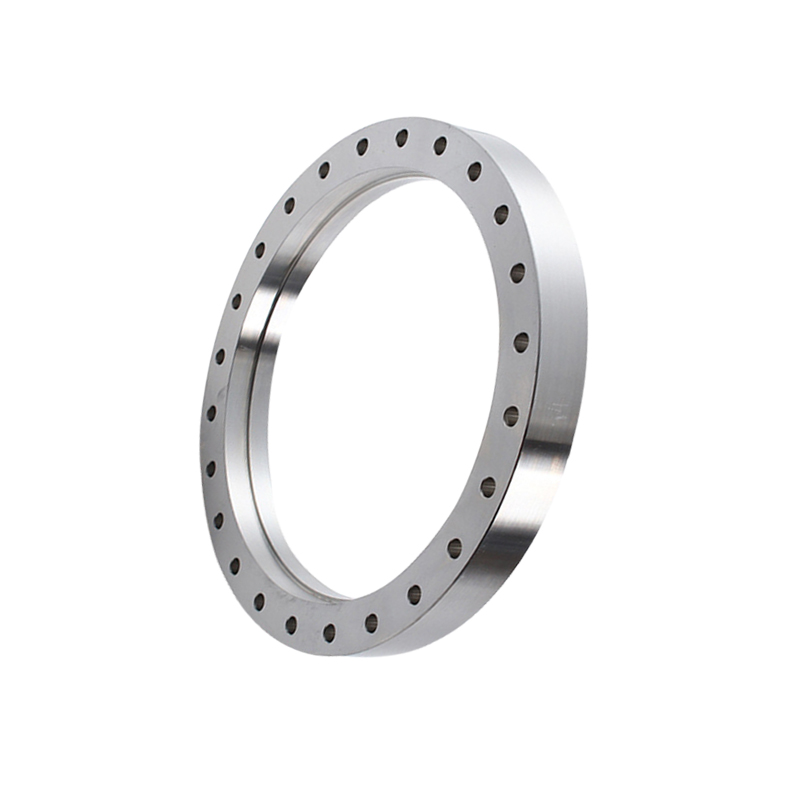
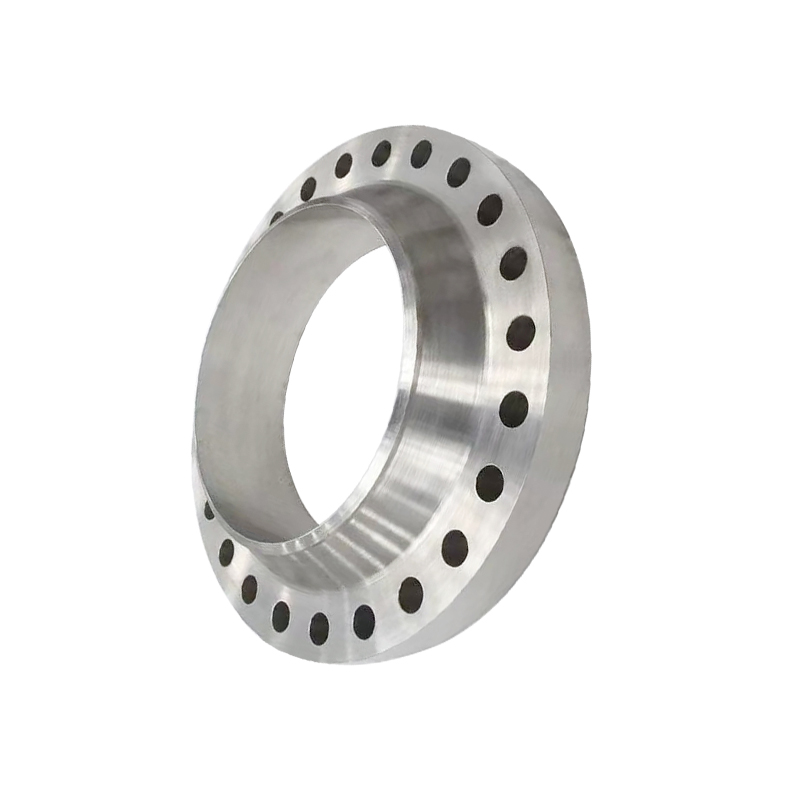
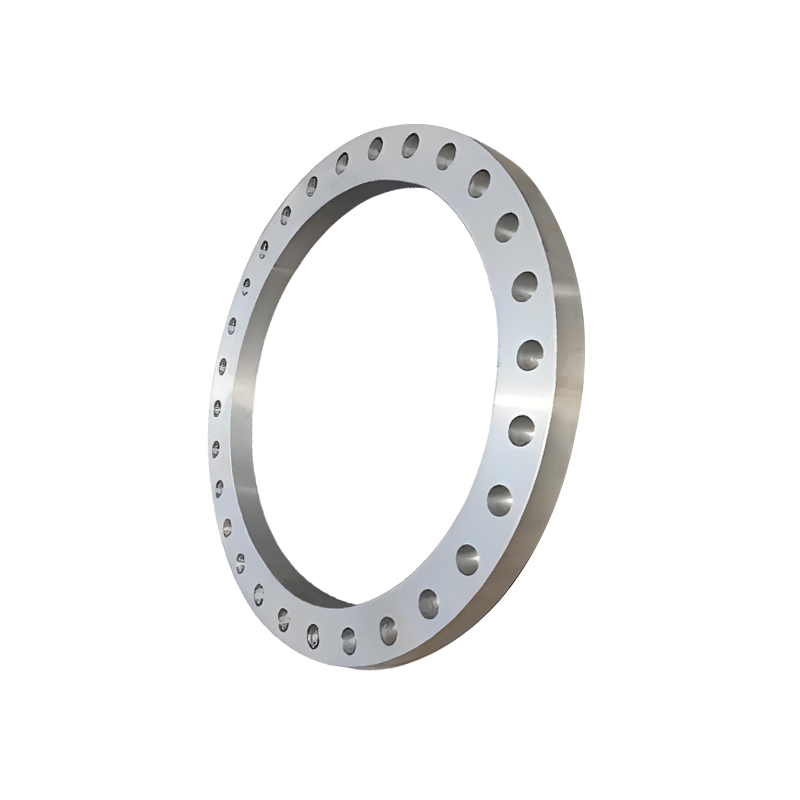
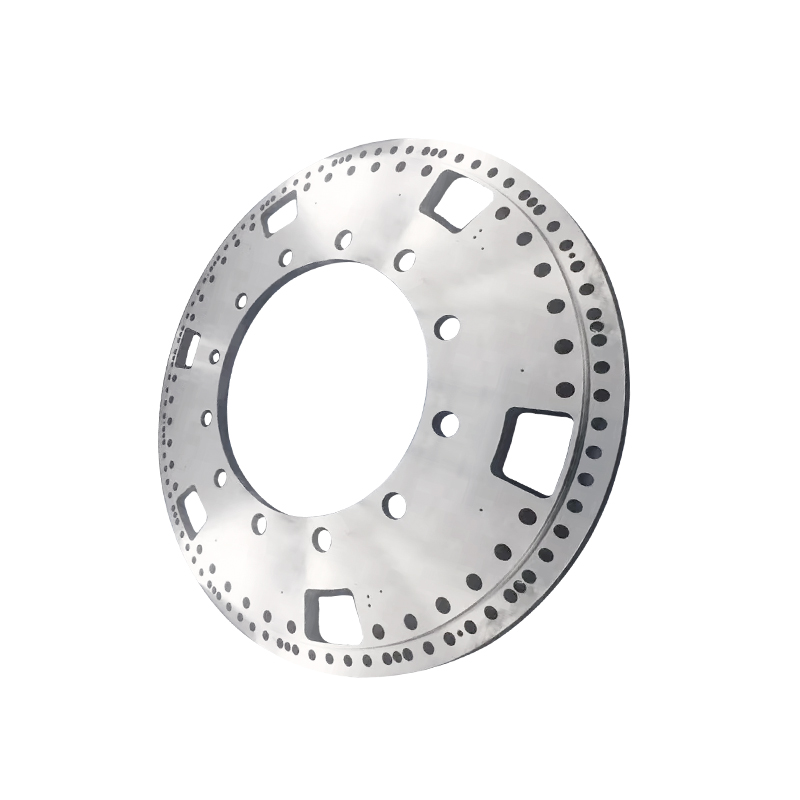
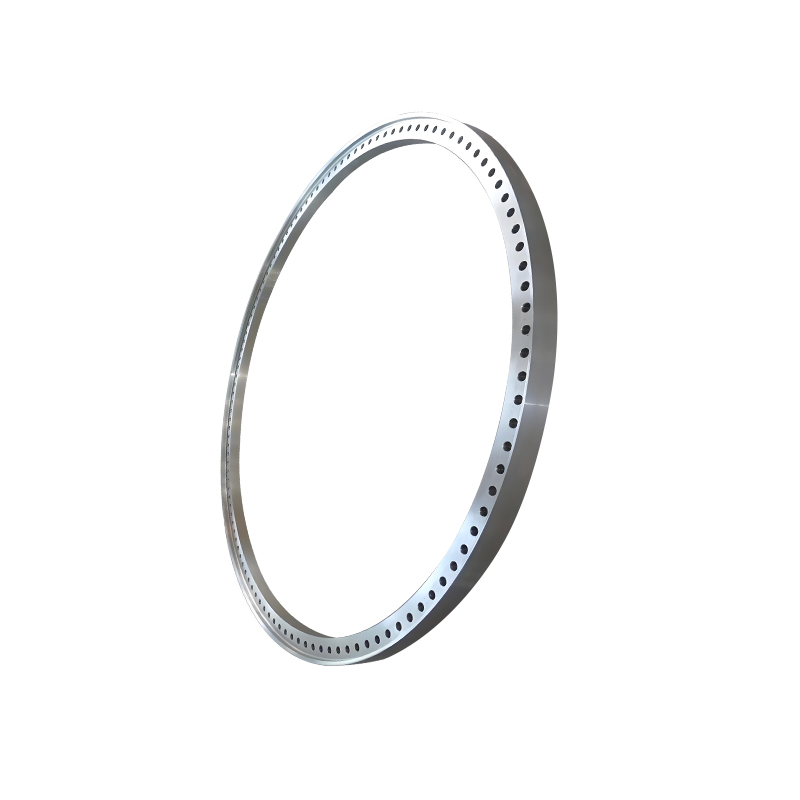
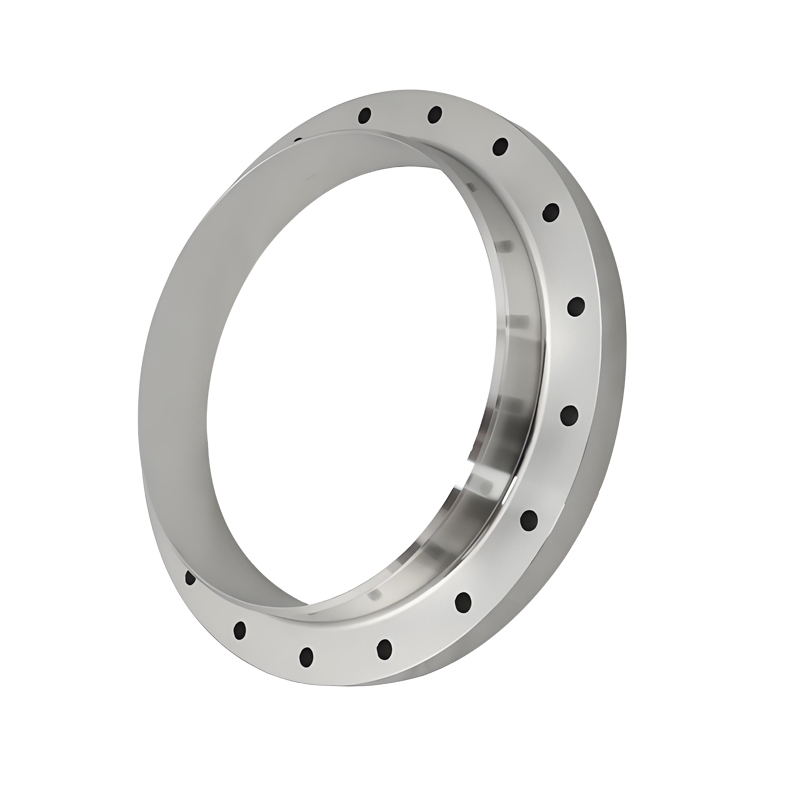
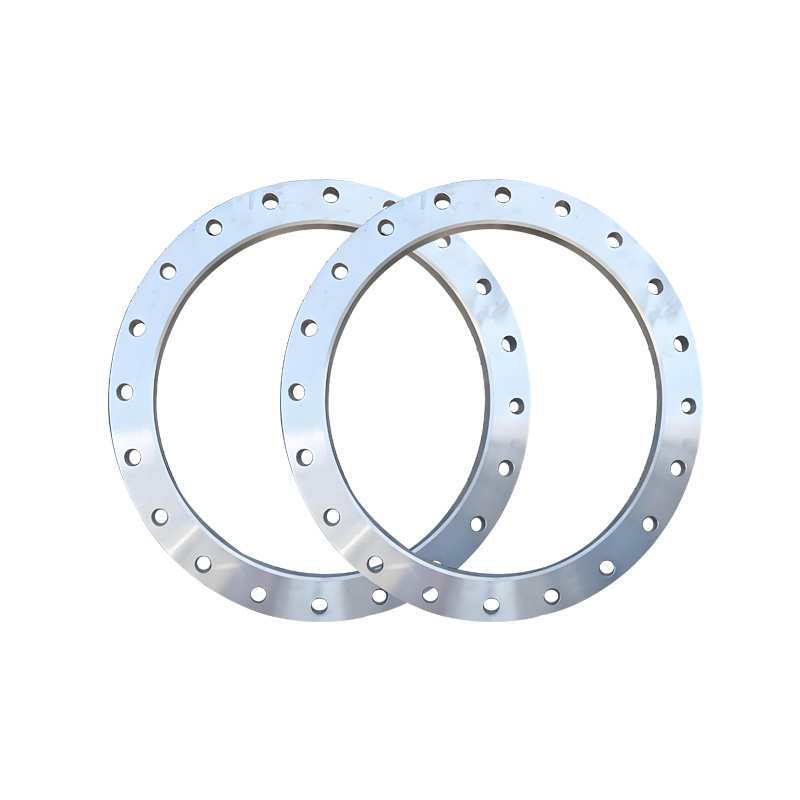
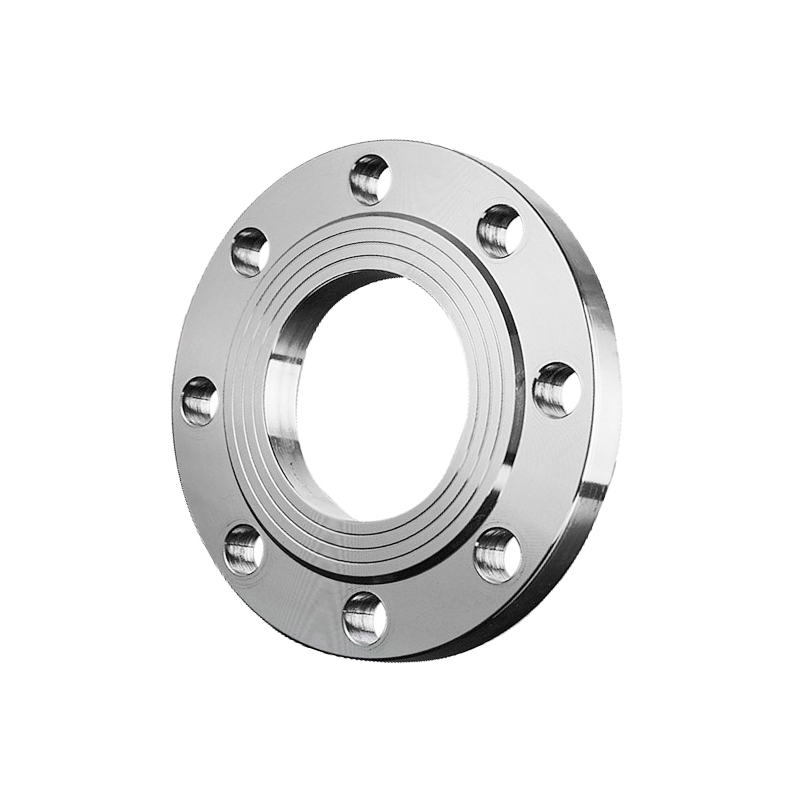
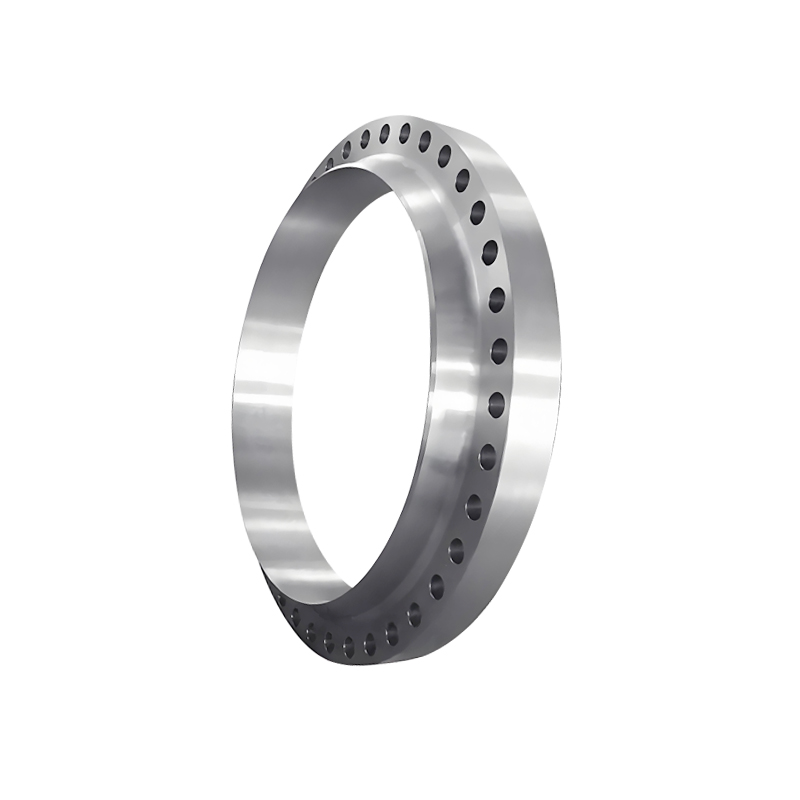
High temperature alloy flange refers to a key pipeline component made of high-temperature alloy materials, used to connect pipelines, valves, equipment, etc., to ensure system sealing in harsh environments such as high temperature and high pressure. Here is a detailed introduction about it:
Common Materials
Iron nickel chromium based alloys: such as A286 alloy, mainly composed of iron, nickel, chromium, and added with elements such as molybdenum, titanium, and aluminum. It can maintain good mechanical properties below 650 ° C, with outstanding creep resistance and fracture toughness, and is widely used in fields such as petroleum, chemical, aviation, etc.
Chromium molybdenum alloy steel: It is a widely used high-temperature alloy material, such as ASTM A182 F11 low chromium molybdenum steel, suitable for medium and high pressure conditions from 425 ° C to 550 ° C; ASTM A182 F22 standard chromium molybdenum steel can be used up to a maximum temperature of about 575 ° C; ASTM A182 F91 high chromium alloy steel can withstand extreme high temperatures above 600 ° C.
Nickel based alloys: such as GH4169 (Inconel 718), GH4145, etc. GH4169 exhibits excellent mechanical properties within the temperature range of -253 ℃ to 700 ℃, and has good resistance to various corrosive media; GH4145 has excellent creep resistance, oxidation resistance, and thermal corrosion resistance in high temperature environments ranging from 700 ℃ to 1000 ℃.
Performance advantage
High temperature resistance: able to maintain good mechanical properties at high temperatures, not easily deformed or failed due to high temperatures, and can meet the requirements of high temperature working conditions in aerospace, energy and other fields.
Corrosion resistance: It has good resistance to corrosive media such as acid, alkali, and salt, and can operate stably for a long time in corrosive environments such as chemical engineering.
Creep resistance: Under high temperature and high stress, it has excellent creep resistance performance, which can ensure that the flange maintains good sealing and structural integrity during long-term use.
Application field
Aerospace field: used in high-temperature and high-pressure components such as aircraft engines and gas turbines to connect critical components such as pipelines and valves, ensuring their stability and safety during high-temperature and high-speed operation.
In the field of energy, it is used to connect and fix various equipment and pipelines in industries such as petroleum, chemical, and nuclear power, and can withstand the impact of harsh environments such as high temperature, high pressure, and strong corrosion.
Other fields: It is also widely used in shipbuilding, automotive industry, machinery manufacturing and other fields, which can meet the tolerance requirements of equipment and components to high temperature, high pressure and corrosive environments in these fields.
production process
The production process of high-temperature alloy flanges includes melting, forging, heat treatment, and precision machining. During the melting process, it is necessary to strictly control the alloy composition to ensure the uniformity and purity of the material; Forging can improve the density and mechanical properties of flanges; Heat treatment can further improve the creep resistance of materials; Then, flange products that meet the size and performance requirements are manufactured through precision machining.


 English
 简体中文
简体中文






 Zhejiang Public Security Bureau Special Registration No. 33112302000124