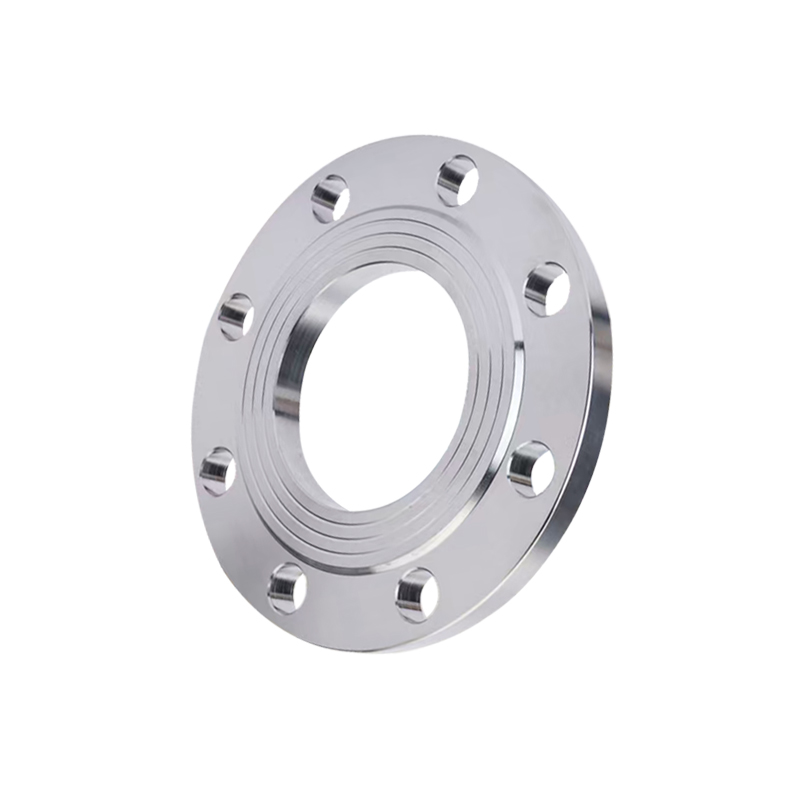
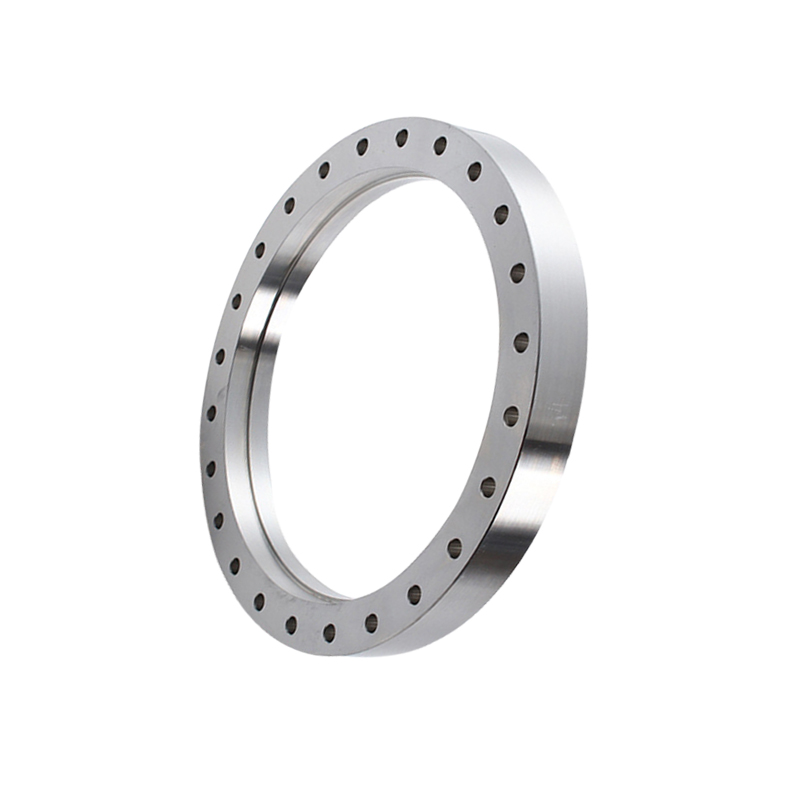
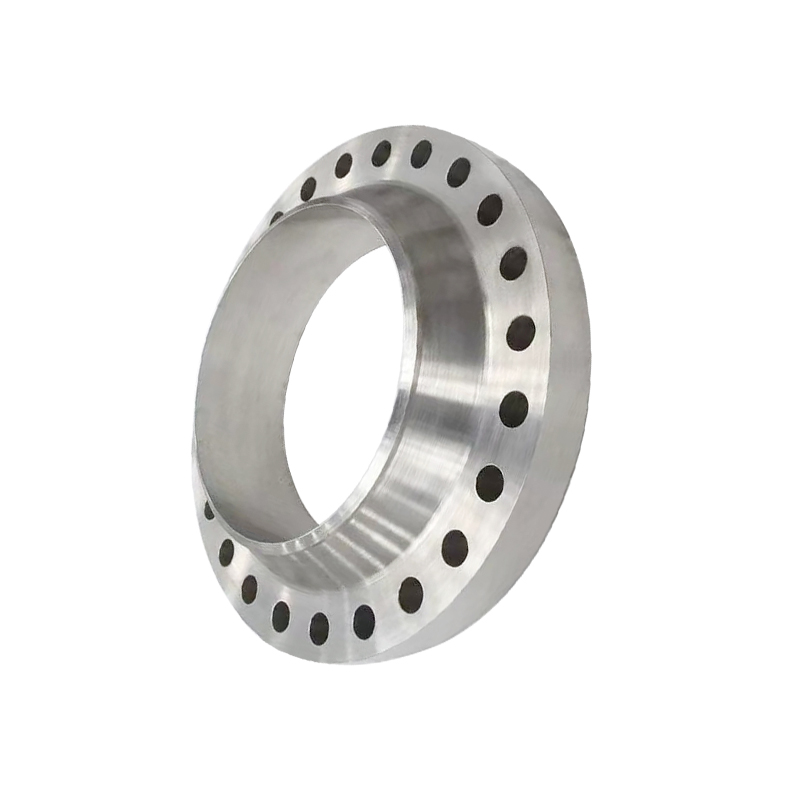
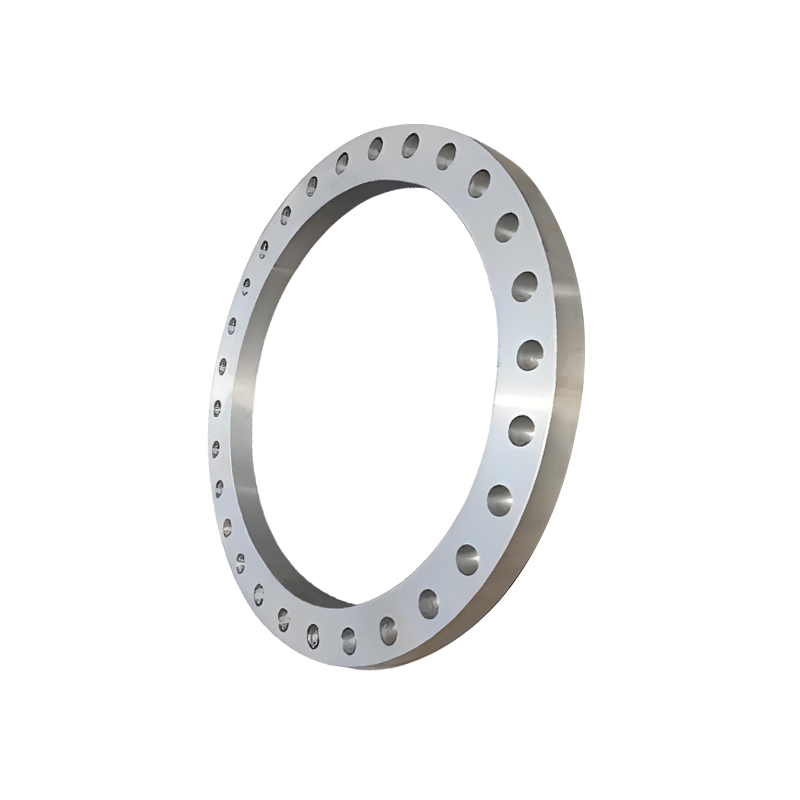
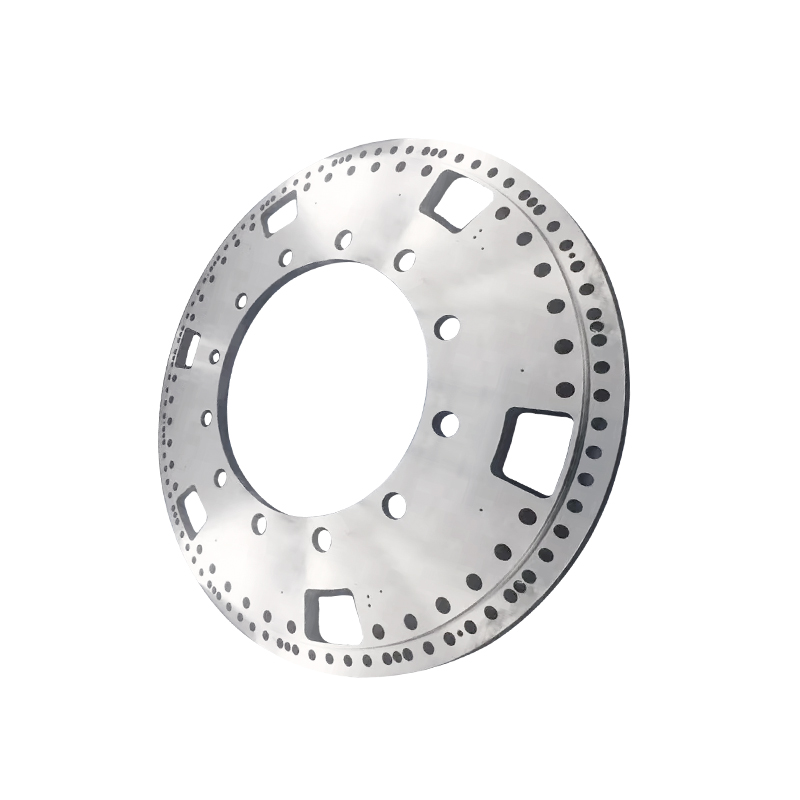
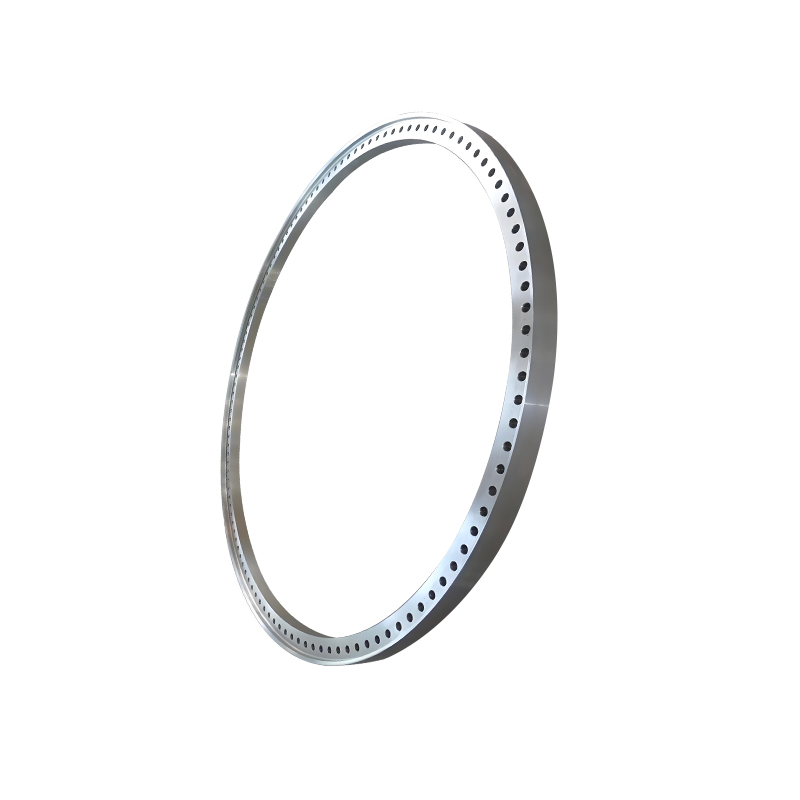
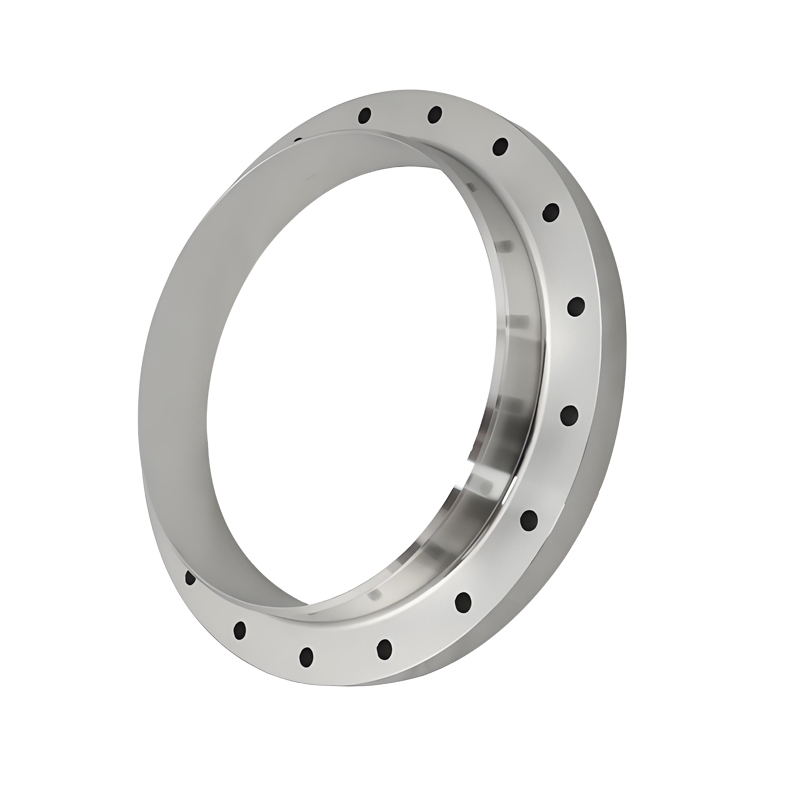
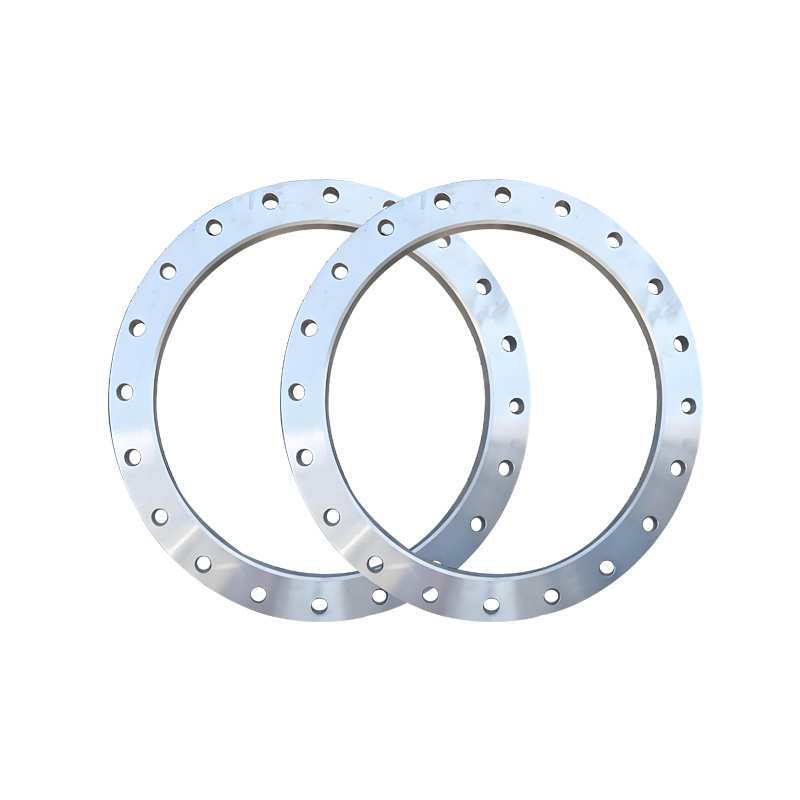
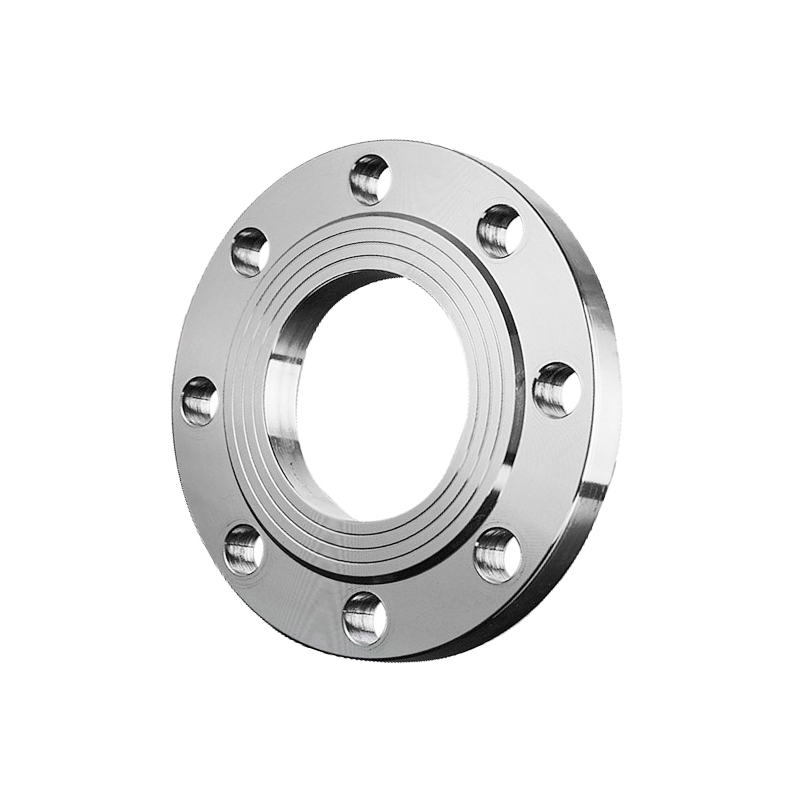
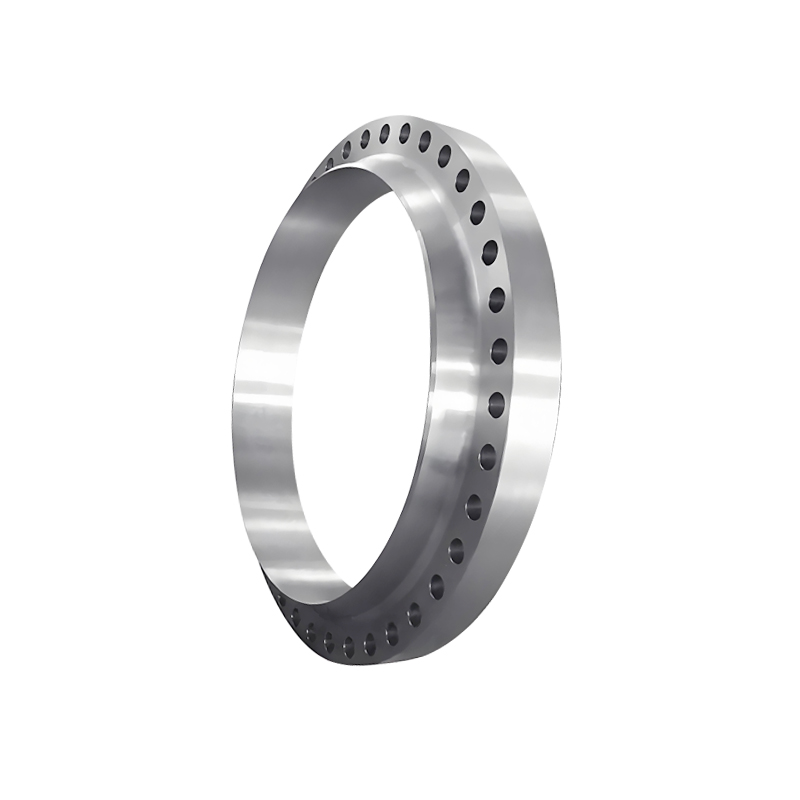
Low temperature alloy steel flange refers to a disc-shaped component made of low-temperature alloy steel material, used for connecting pipelines or equipment in low-temperature environments. Here is a detailed introduction about it:
Material characteristics
Good low-temperature toughness: The toughness brittleness transition temperature of low-temperature alloy steel is lower than the operating temperature, which can maintain good toughness in low-temperature environments and avoid brittle fracture. As for ASTM A350 LF2 material, at -46 ℃, the average impact toughness AK of the three specimens is ≥ 20J.
Strength meets the requirements: It has strength that meets the design requirements, such as the yield strength of ASTM A350 LF2 not less than 250 MPa, tensile strength between 485-655 MPa, and can withstand the pressure of the medium inside the pipeline.
Stable organizational structure: In low-temperature environments, its organizational structure is stable, ensuring the performance stability of the flange and preventing significant changes in organizational structure due to low temperatures.
Alloy elements can be added: By adding alloy elements such as nickel and molybdenum, performance can be improved. For example, 36CrNiMo4 steel, with a nickel content of 1.20% -1.60% and molybdenum element strengthening fatigue resistance, has an impact energy of ≥ 95J at -30 ℃ and a fatigue life of ≥ 250000 hours.
Application field
Petrochemical industry: used in low-temperature pipeline systems, connecting various equipment and pipelines to ensure the safe transportation of media.
Shipbuilding: plays an important role in the low-temperature system of ships, such as the low-temperature pipeline connection of liquefied natural gas (LNG) transport ships.
Air conditioning refrigeration: Suitable for pipeline connections of air conditioning refrigeration equipment, capable of stable operation in low-temperature environments.
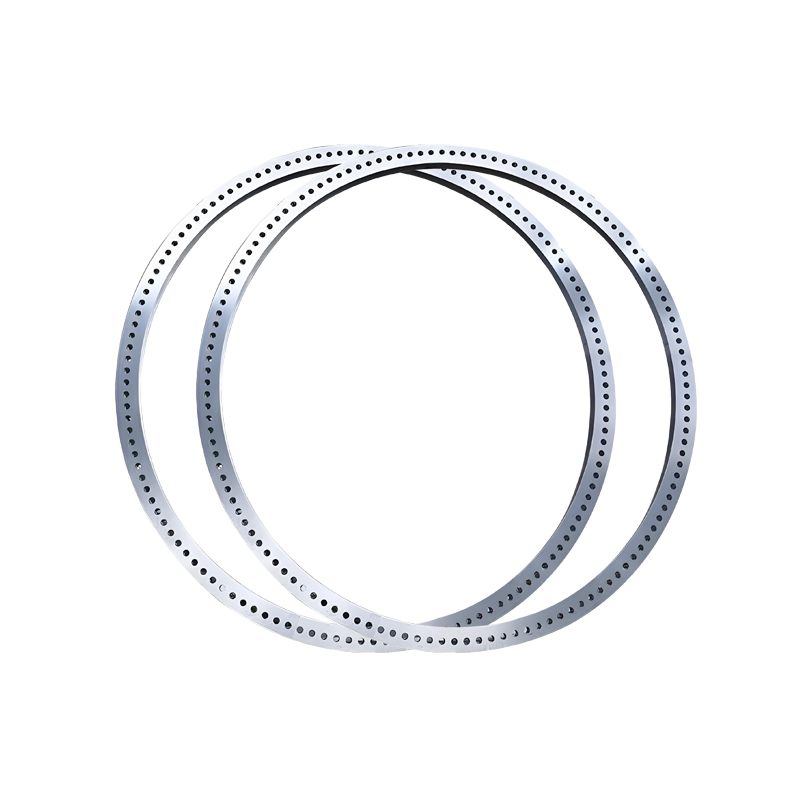
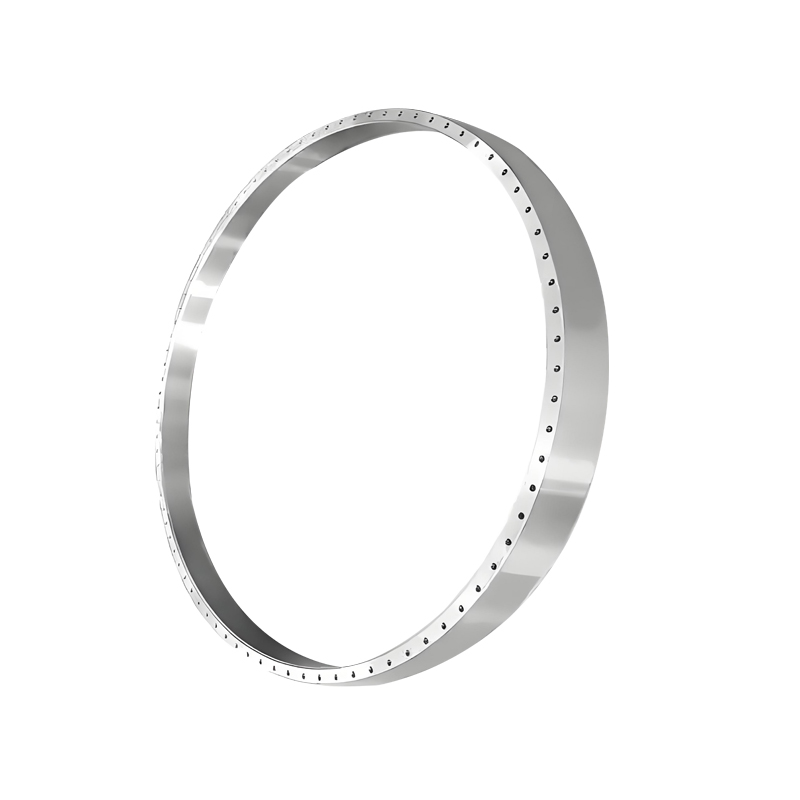
Wind power industry: For example, 36CrNiMo4 alloy steel flanges are used for wind power yaw bearing flanges, which can withstand low-temperature impact and ocean salt spray corrosion.
Production standard
Common production standards include ASME B16.5, EN1092-1, etc. Taking ASME B16.5 standard as an example, it specifies the technical requirements for flange size range, pressure rating, sealing surface type, etc. The size range is DN15-DN600, and the pressure rating includes Class150, 300, 600, etc.
Installation and sealing
During installation, install two flanges separately at the pipeline or equipment interface, align them with the holes, insert sealing gaskets, and then tighten them with bolts. When tightening, apply force evenly along the diagonal direction one by one, and then verify the sealing to ensure no leakage.


 English
 简体中文
简体中文




 Zhejiang Public Security Bureau Special Registration No. 33112302000124