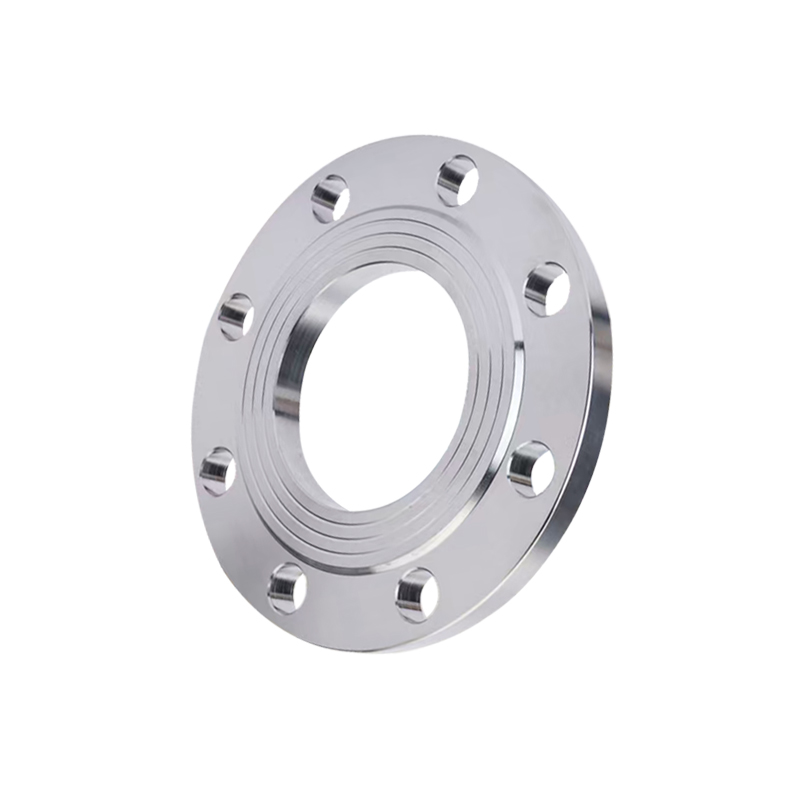
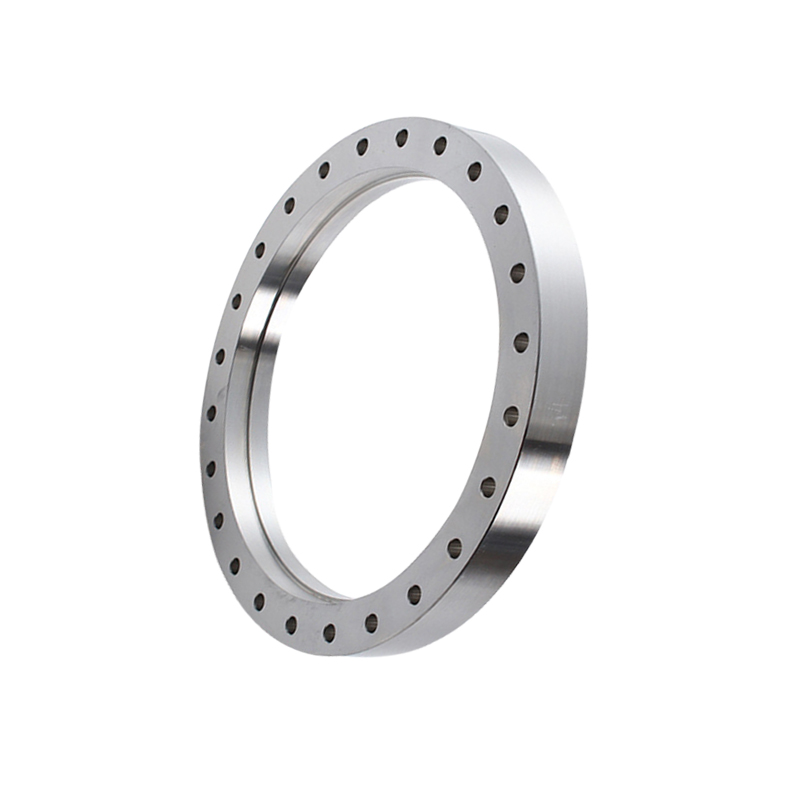
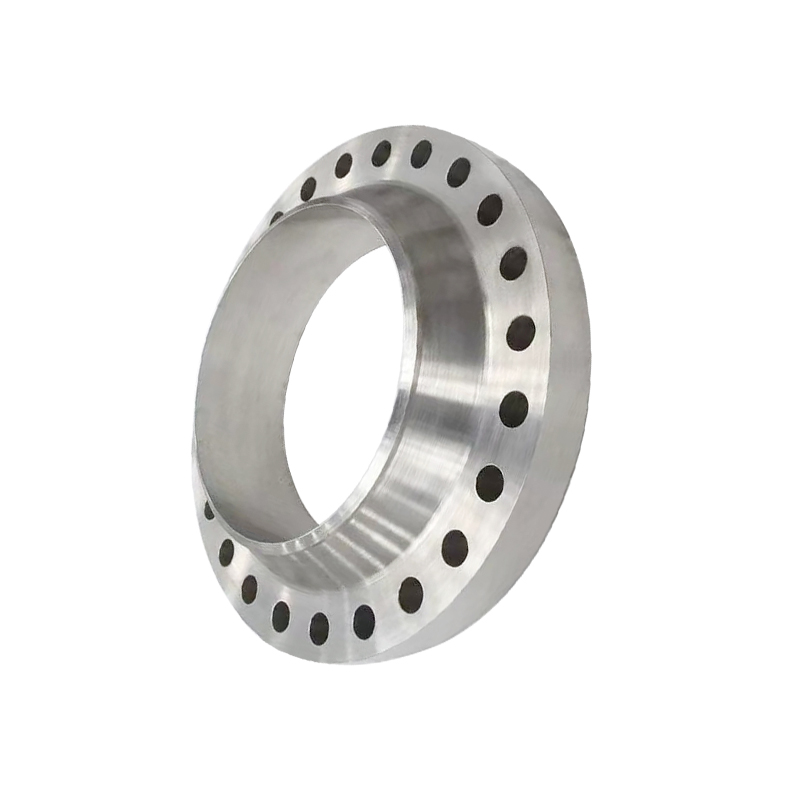
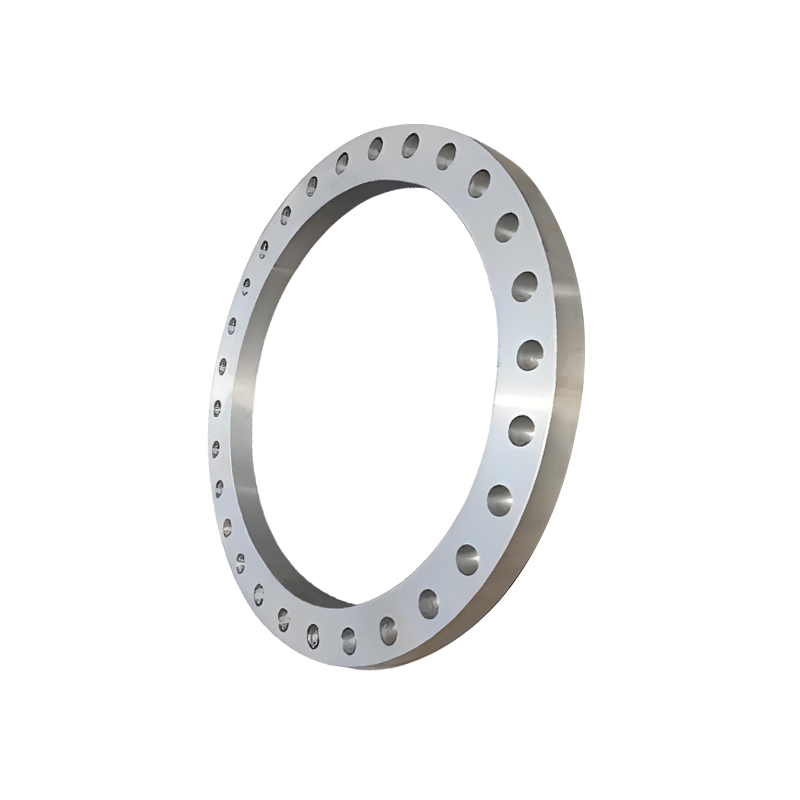
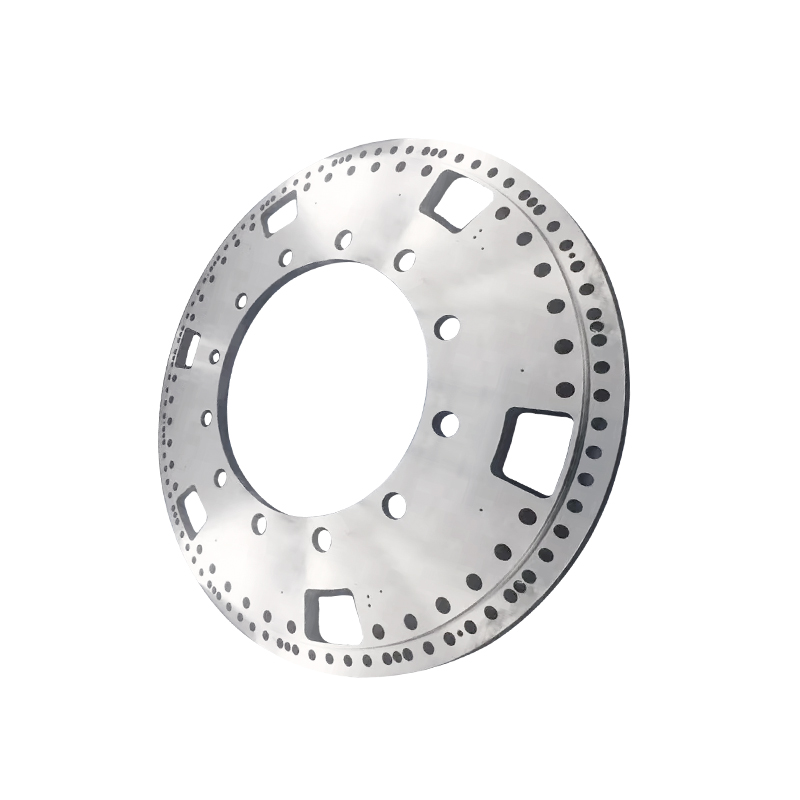
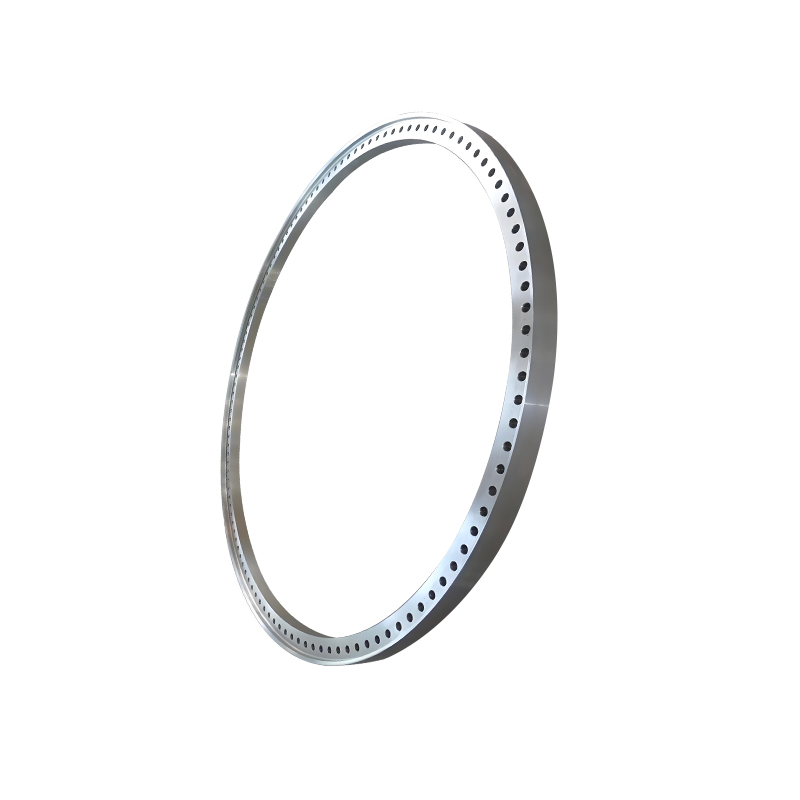
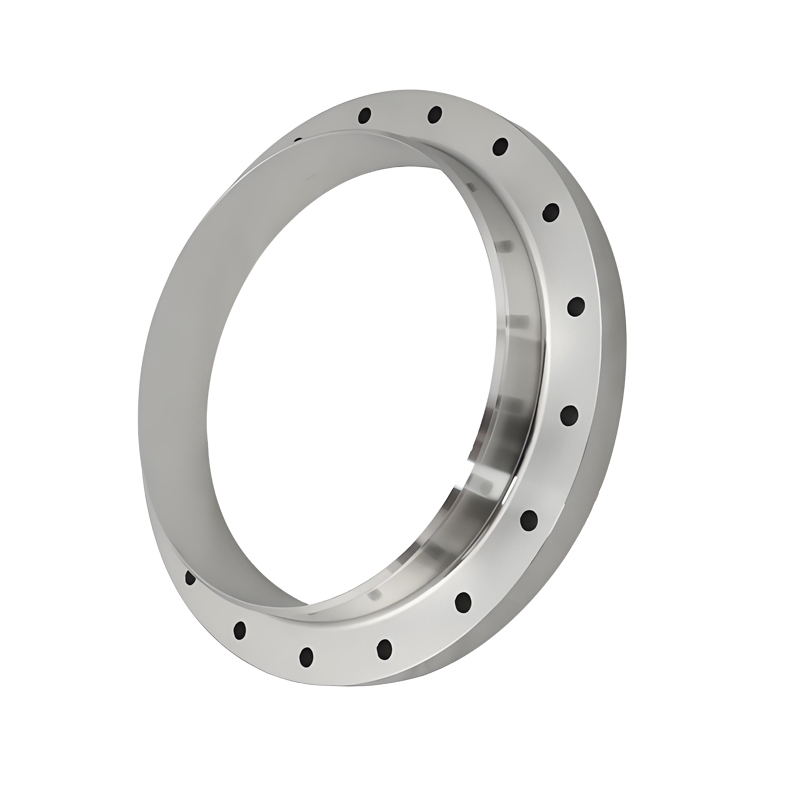
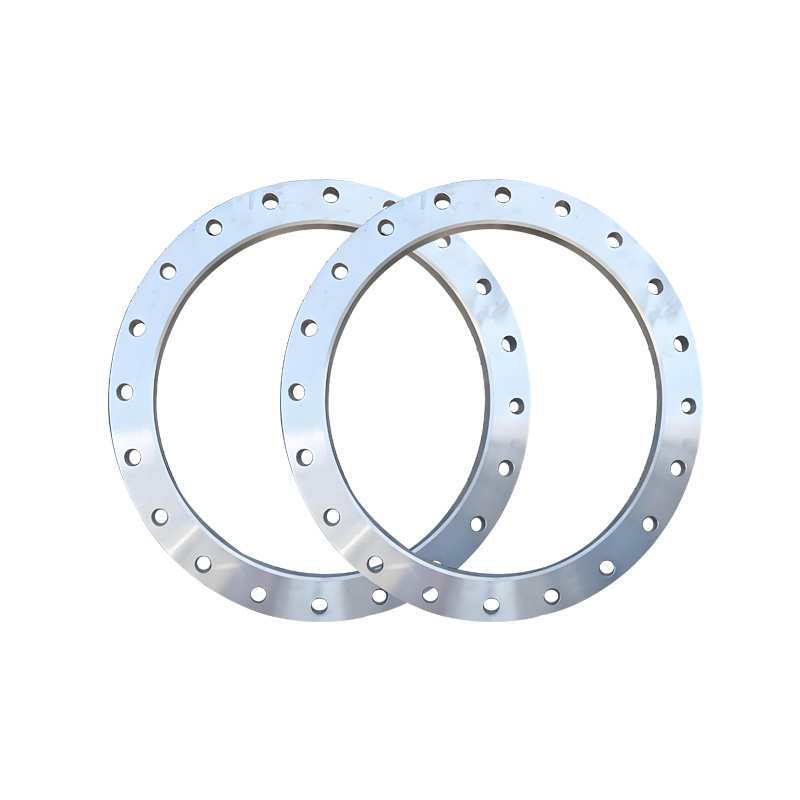
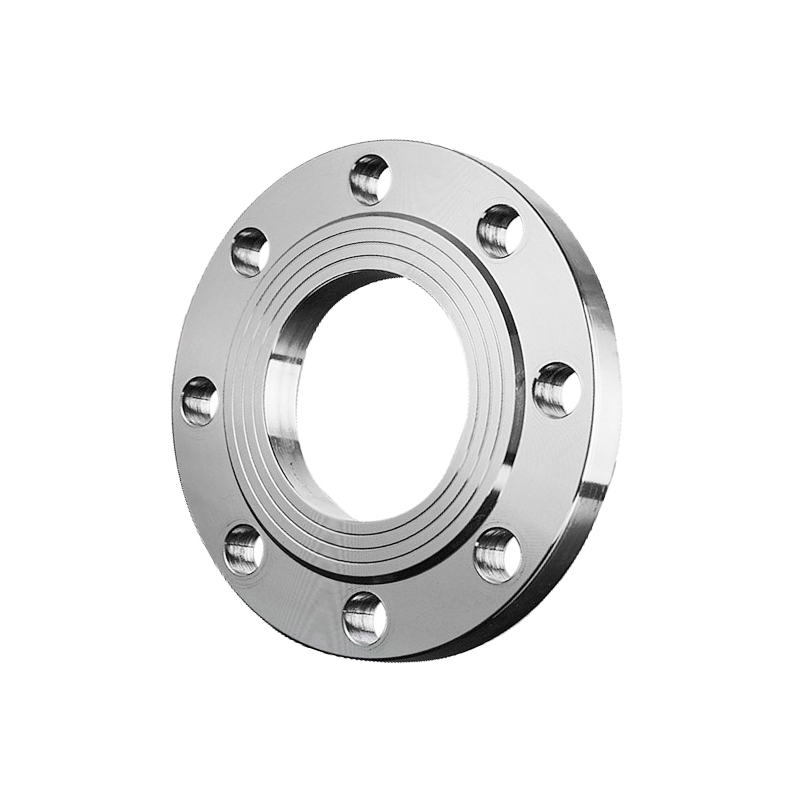
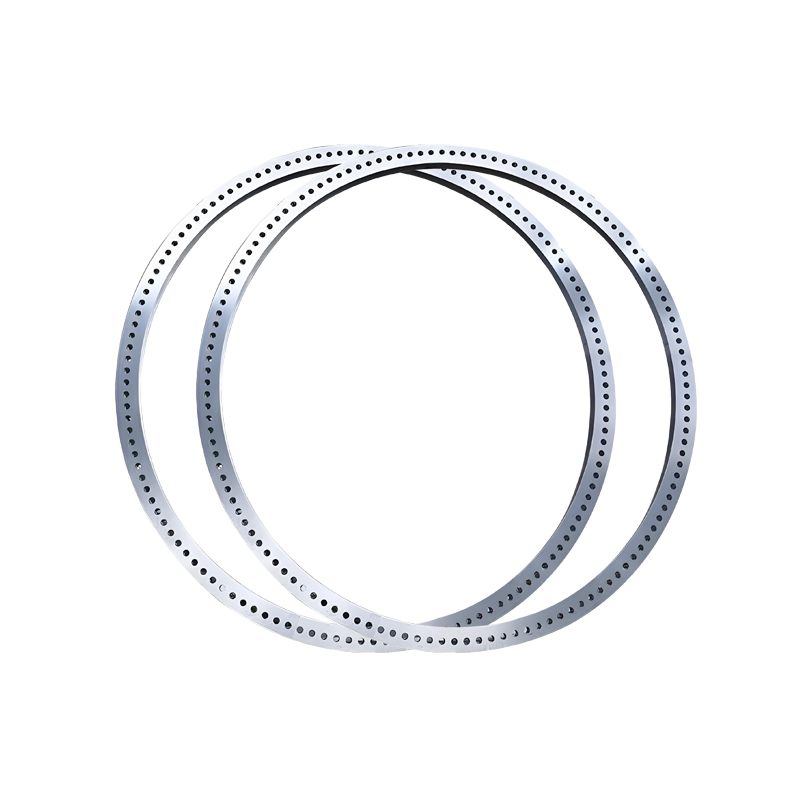
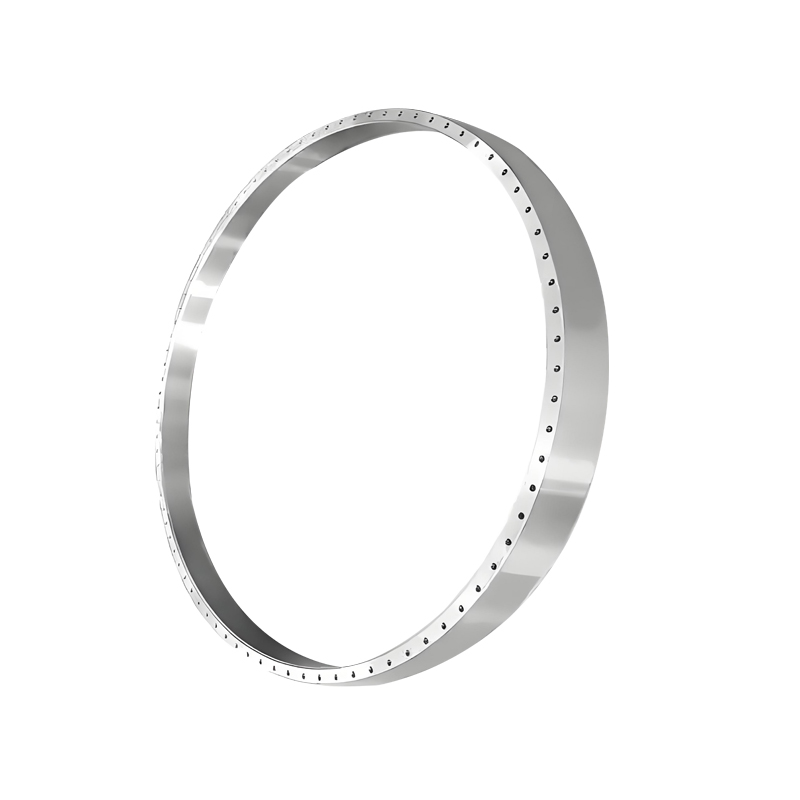
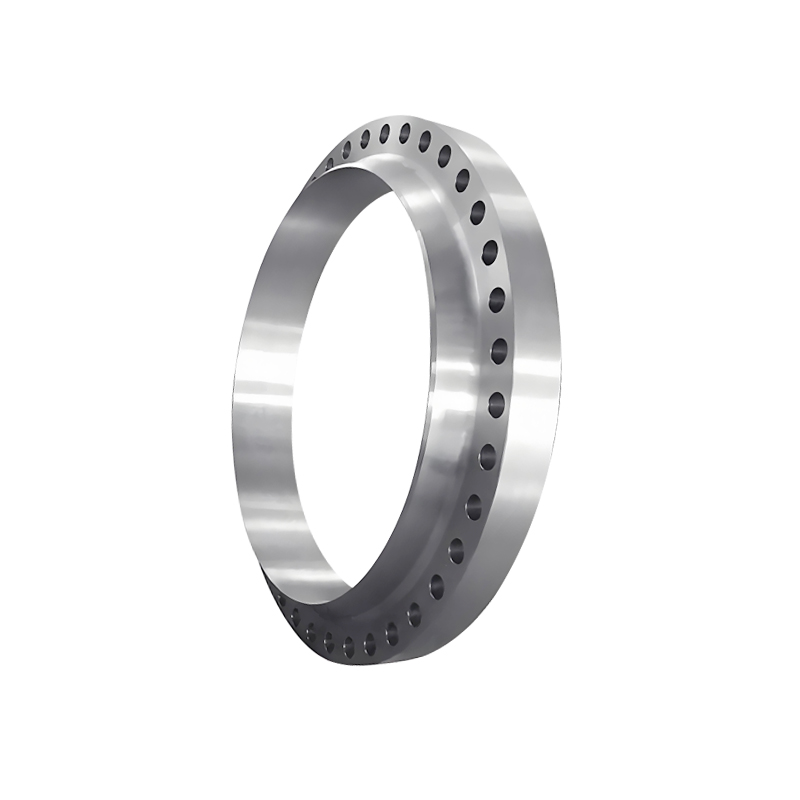
Pressure vessel flange is a flange connector specifically used for pressure vessels such as storage tanks, reaction vessels, boilers, sterilization pots, etc. Its core function is to achieve a sealed connection between the cylinder and head, cylinder and cylinder, or container and pipeline of the pressure vessel, while bearing the pressure, temperature, and medium load inside the vessel. It is a key pressure bearing component of the pressure vessel and must strictly comply with the safety regulations of the pressure vessel.
Simply put, it is the core component of the "detachable connection" of pressure vessels - it not only ensures the airtightness of the container (preventing leakage of internal media, especially toxic, flammable, and high-pressure media), but also has sufficient strength to resist internal pressure, and is convenient for equipment installation, maintenance, and repair.
Core features (different from ordinary pipeline flanges)
High pressure rating: Pressure vessels are often subjected to high pressure (up to tens or even hundreds of MPa), high or low temperature environments. Flanges need to be designed with thickness and material selection to ensure no deformation, fracture or leakage occurs.
The sealing requirements are extremely strict: according to the medium inside the container (such as steam, corrosive liquids, toxic gases), special sealing components (such as metal wound gaskets, asbestos gaskets) need to be used to meet the sealing standards of different working conditions (such as GB 150 sealing requirements).
High degree of standardization: It is necessary to follow the relevant national standards for pressure vessels (such as GB/T 150 "Pressure Vessels", GB/T 9112-9124 "Steel Pipe Flanges"), with strict regulations on size, pressure rating, and materials, and cannot be customized arbitrarily.
Strong material adaptability: Materials need to be selected based on the corrosiveness and temperature of the medium. Common ones include carbon steel (Q245R, Q345R), stainless steel (304, 316L), alloy steel, etc. Special materials such as Hastelloy are used for highly corrosive working conditions.
Core function
Connection function: Connect the cylinder, head, pipe mouth, manhole, handhole and other components of the pressure vessel into a complete closed container to ensure the structural integrity of the equipment.
Pressure bearing seal: withstand the pressure, temperature changes, and corrosive effects of the medium inside the container, prevent medium leakage through the sealing structure, and ensure the safe operation of the equipment.
Convenient maintenance: Achieving a "detachable connection", when the container needs to be inspected, cleaned internally, or replaced with components (such as heat exchanger tube bundles), only the flange needs to be disassembled for operation, without damaging the container body.
Pipe mouth expansion: The inlet and outlet pipelines, pressure gauge interfaces, safety valve interfaces, etc. of pressure vessels are all connected to the vessel body through small flanges, which facilitates pipeline layout and accessory installation.
Key design requirements (safety core)
Strength verification: It is necessary to calculate the stress of the flange at the design pressure and design temperature (such as bending stress and shear stress) to ensure that it does not exceed the allowable stress of the material.
Stiffness requirement: The flange thickness should be sufficient to prevent excessive deformation under pressure, which may lead to seal failure.
Weld quality: The weld seam of the welded flange needs to undergo non-destructive testing (such as radiographic testing RT, ultrasonic testing UT) to avoid defects such as porosity and cracks in the weld seam.
Pressure rating matching: The pressure rating of the flange (such as PN1.6, PN4.0) must be consistent with the design pressure of the pressure vessel and cannot be downgraded for use


 English
 简体中文
简体中文




 Zhejiang Public Security Bureau Special Registration No. 33112302000124