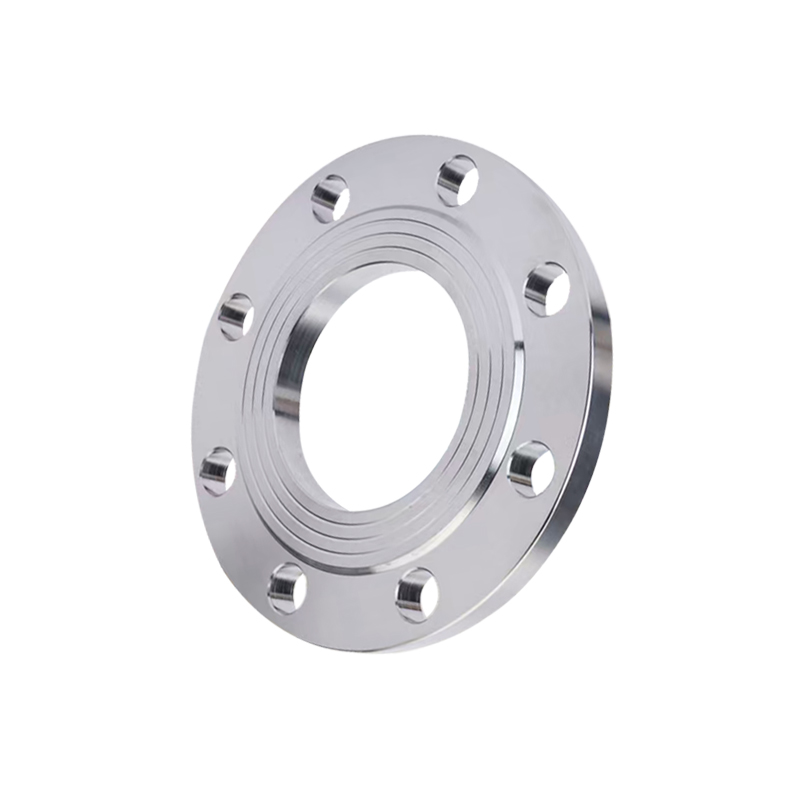
A flange is a component that connects pipes and valves to each other, connected to the pipe end; Flanges are also used for equipment inlet and outlet, which are used to connect pipes between two devices. They are parts that connect pipes to each other and are connected to pipe ends. It is an accessory of the pipeline
A flange is a component that connects pipes and valves to each other, connected to the pipe end; Flanges are also used for equipment inlet and outlet, which are used to connect pipes between two devices. They are parts that connect pipes to each other and are connected to pipe ends. It is an accessory product of pipelines. The main materials for forging flanges are carbon steel, alloy steel, and stainless steel. The main standards include national standards, electrical standards, American standards, German standards, Japanese standards, etc. The main anti-corrosion treatments include oil coating and galvanizing. Forged flanges have good pressure and temperature resistance, and are generally suitable for high-pressure and high-temperature working environments.
The production process is mainly divided into two types: forging and casting, casting flanges and forging flanges.
The difference between casting method and forging flange:
The flange produced by casting has accurate shape and size of the blank, small processing volume, and low cost, but there are casting defects (porosity, cracks, inclusions); The internal structure of the casting has poor streamline (if it is a cutting part, the streamline is even worse);
Forged flanges generally have lower carbon content and are less prone to rusting compared to cast flanges. Forged flanges have better streamlined shape, denser structure, and better mechanical properties than cast flanges;
Improper forging process can also result in large or uneven grain size, hardening cracks, and higher forging costs than casting flanges.
Forged parts can withstand higher shear and tensile forces than castings.
The advantage of castings is that they can create complex shapes and have lower costs;
The advantage of forging lies in its uniform internal structure, without harmful defects such as porosity and inclusions in the casting;
The difference between cast flanges and forged flanges lies in the production process, for example, centrifugal flanges are a type of cast flange.
Centrifugal flanges belong to the precision casting method for producing flanges. This type of casting has a much finer structure and improved quality compared to ordinary sand casting, and is less prone to problems such as loose structure, pores, and sand holes.

304 stainless steel flange
Stainless steel flange
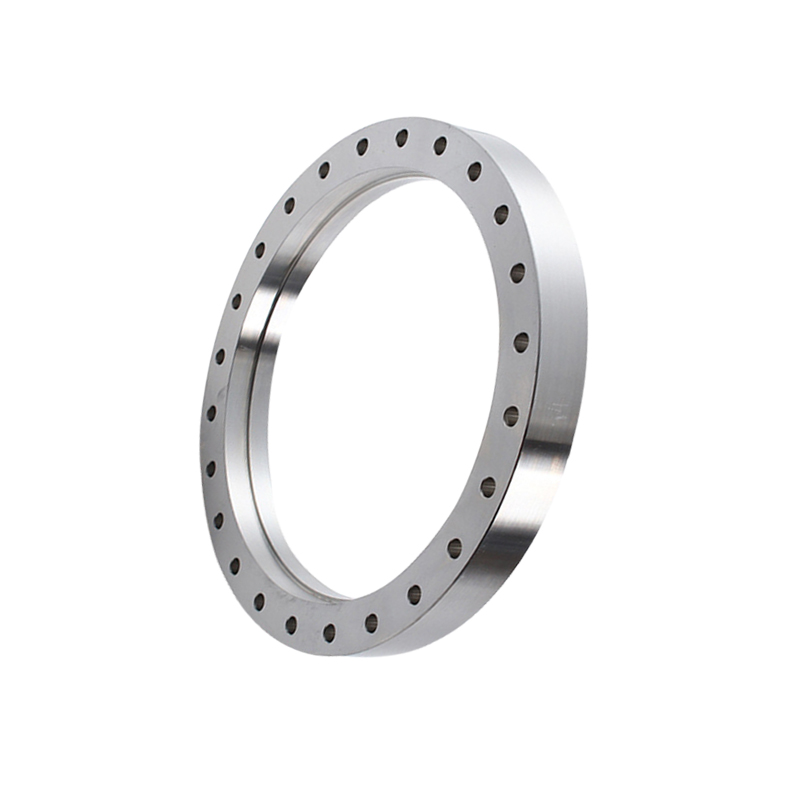
316 stainless steel flange
Stainless steel flange
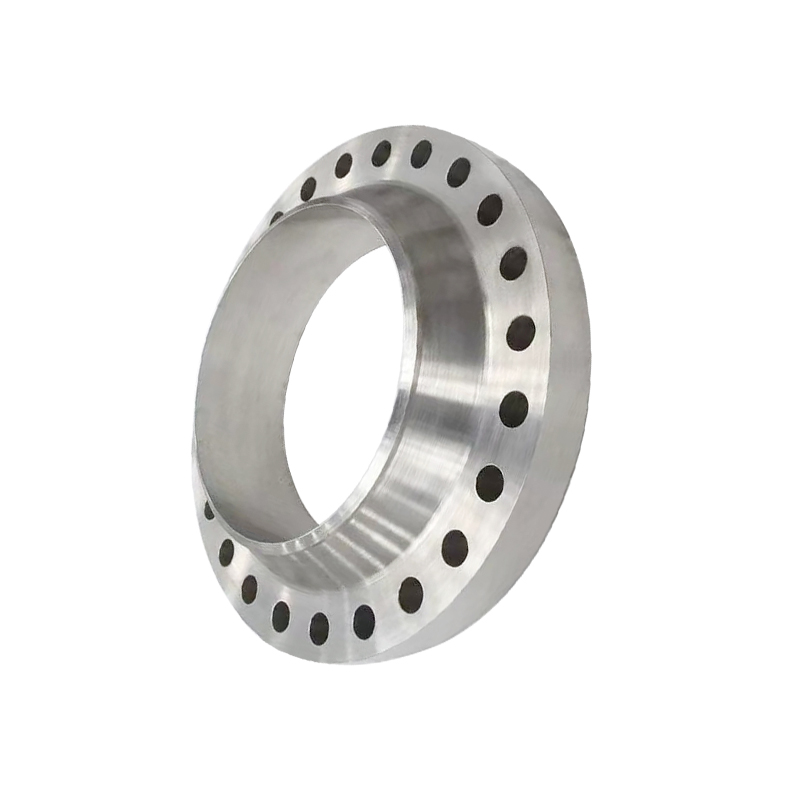
Stainless steel welded flange
Stainless steel flange
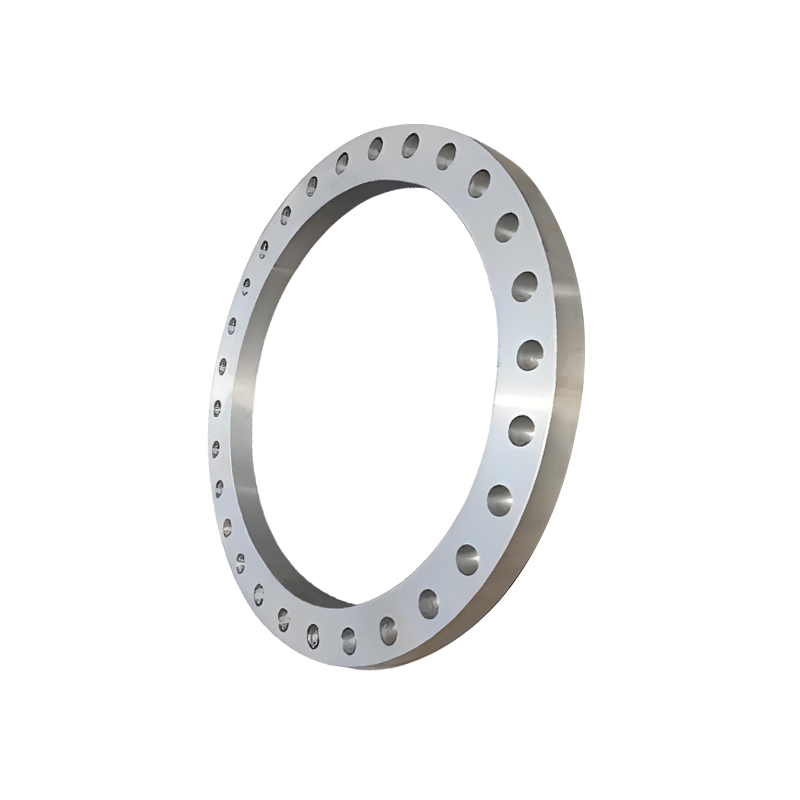
Stainless steel flat welding flange
Stainless steel flange
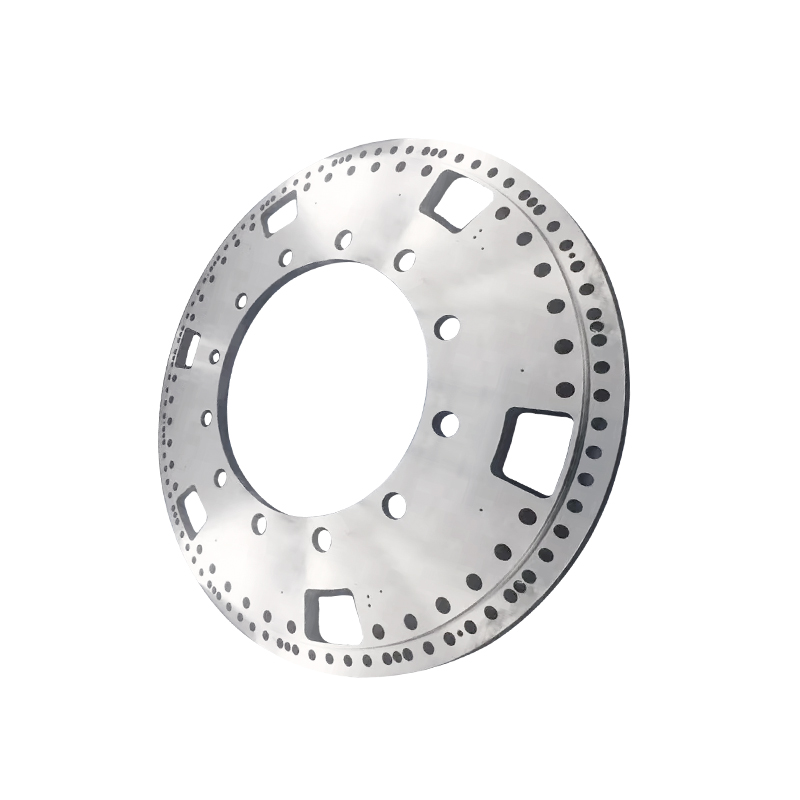
Stainless steel special-shaped flange
Stainless steel flange
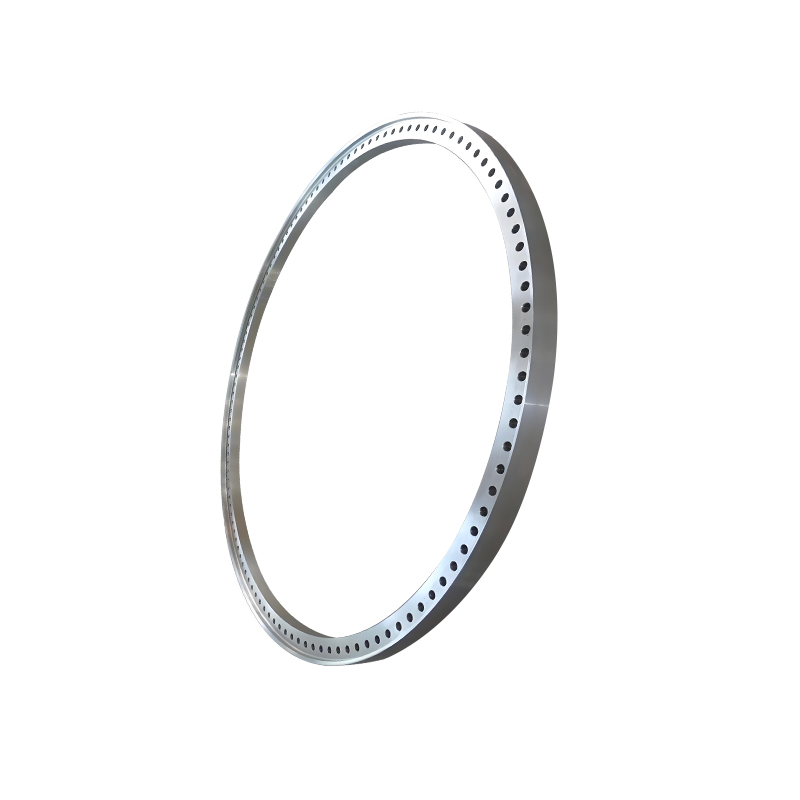
Large diameter stainless steel flange
Large-diameter flange
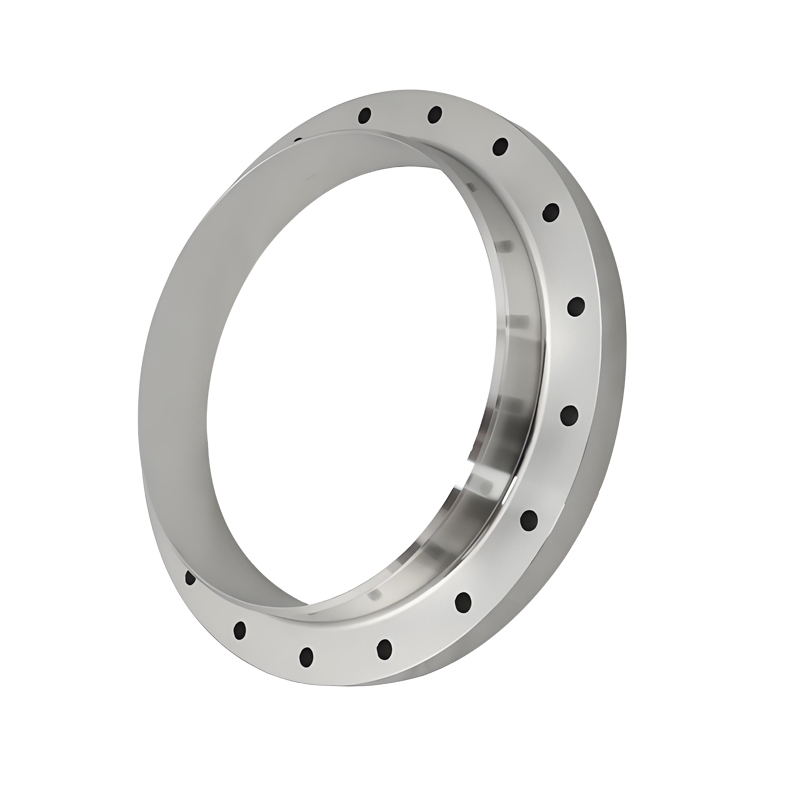
Large diameter welded flange
Large-diameter flange
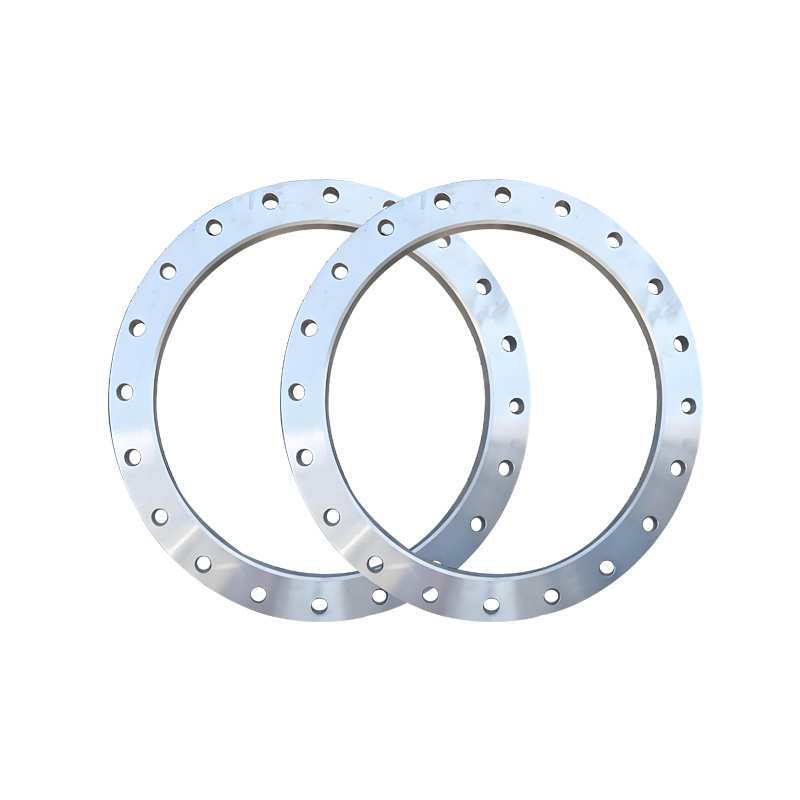
Large diameter flange
Large-diameter flange
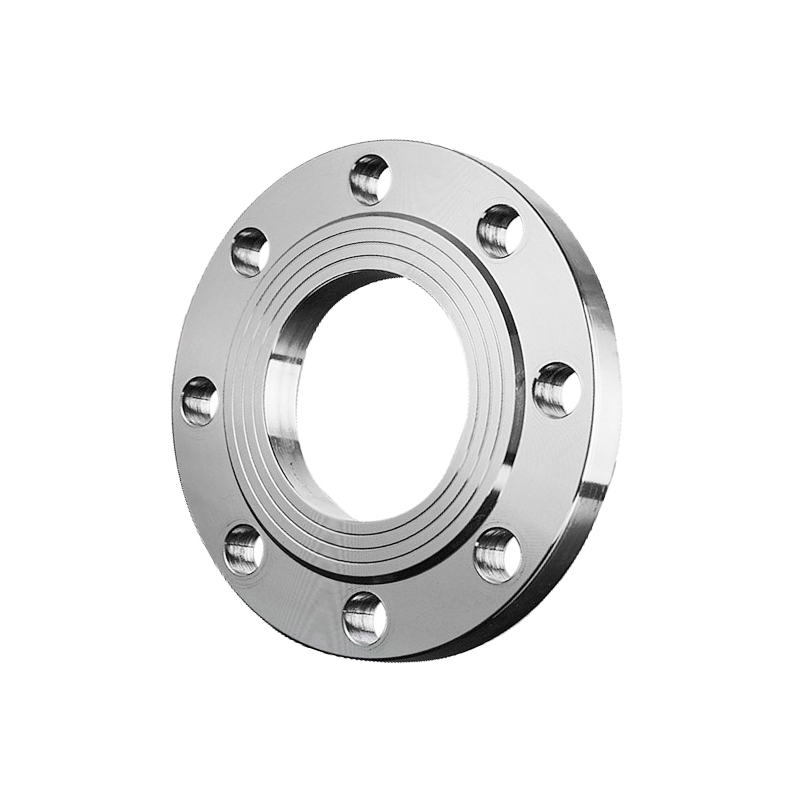
Large diameter high-pressure flange
Large-diameter flange
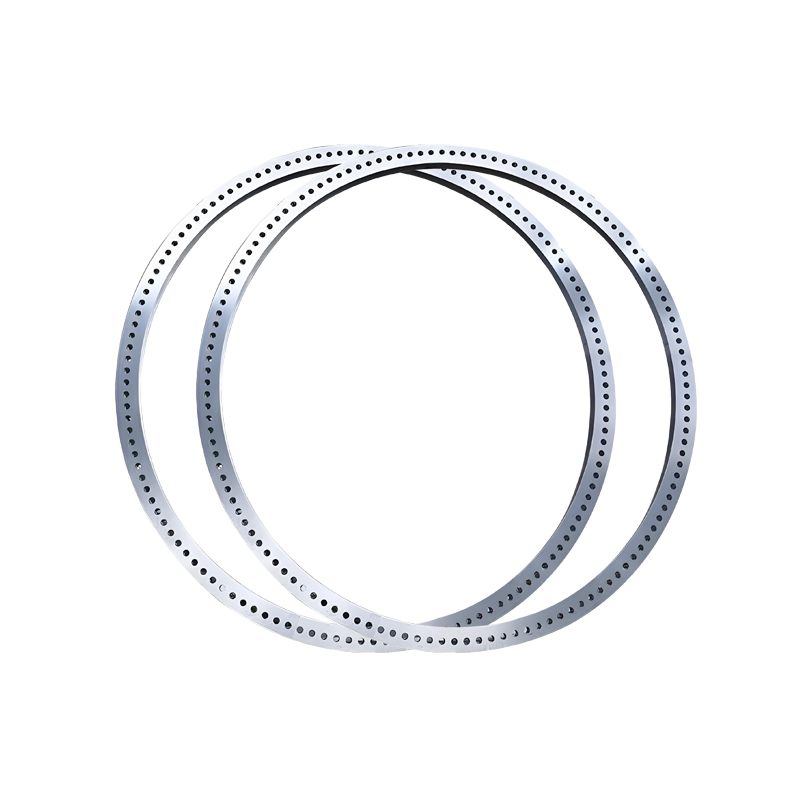
Large diameter flat welding flange
Large-diameter flange
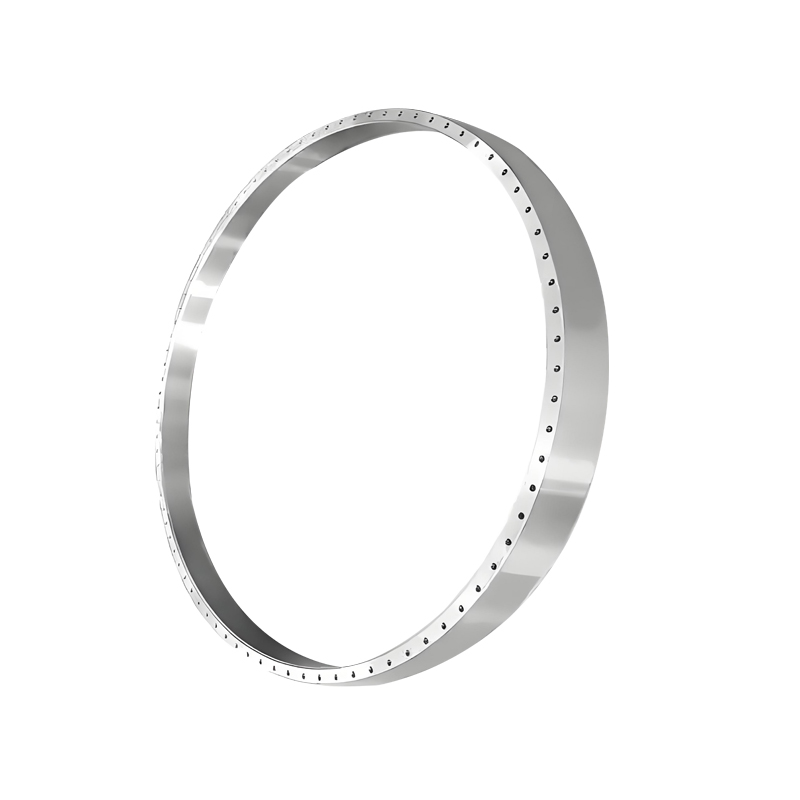
Carbon steel large-diameter flange
Large-diameter flange
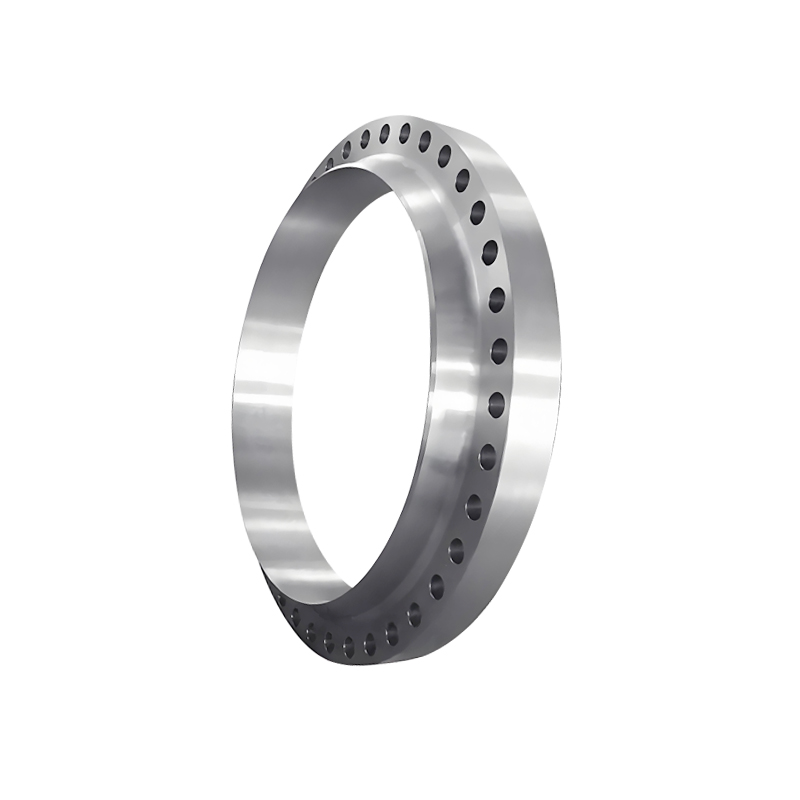
Neck welding flange
Weld Neck Flange



English
简体中文


Zhejiang Public Security Bureau Special Registration No. 33112302000124