Detailed introduction
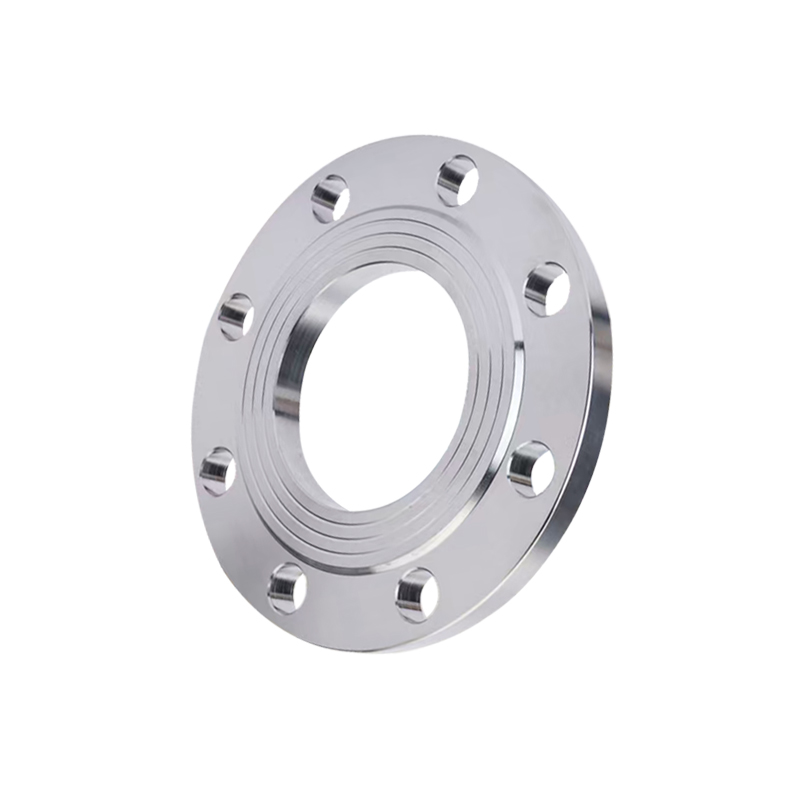
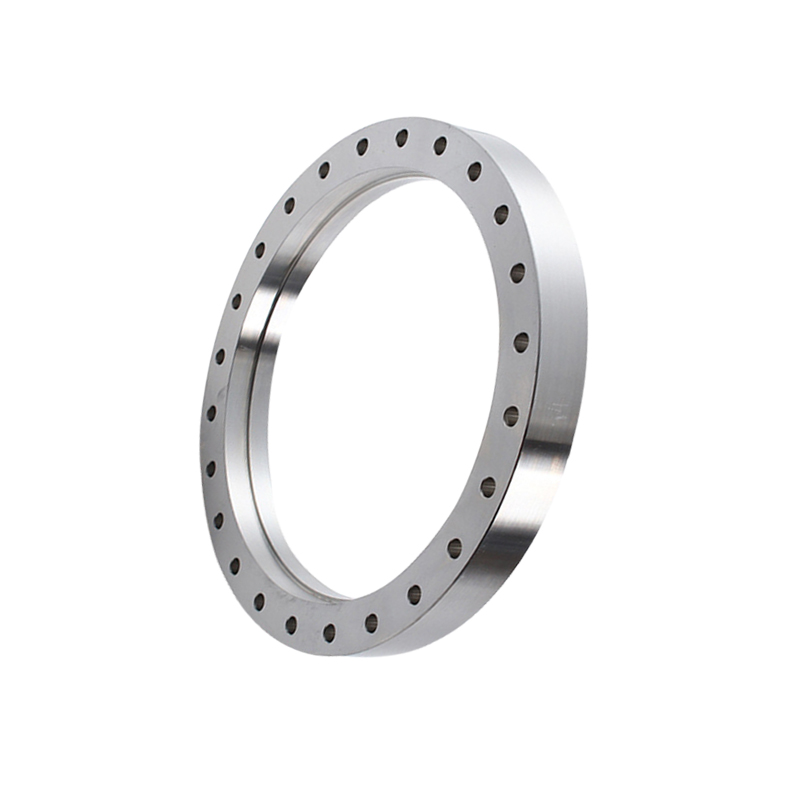
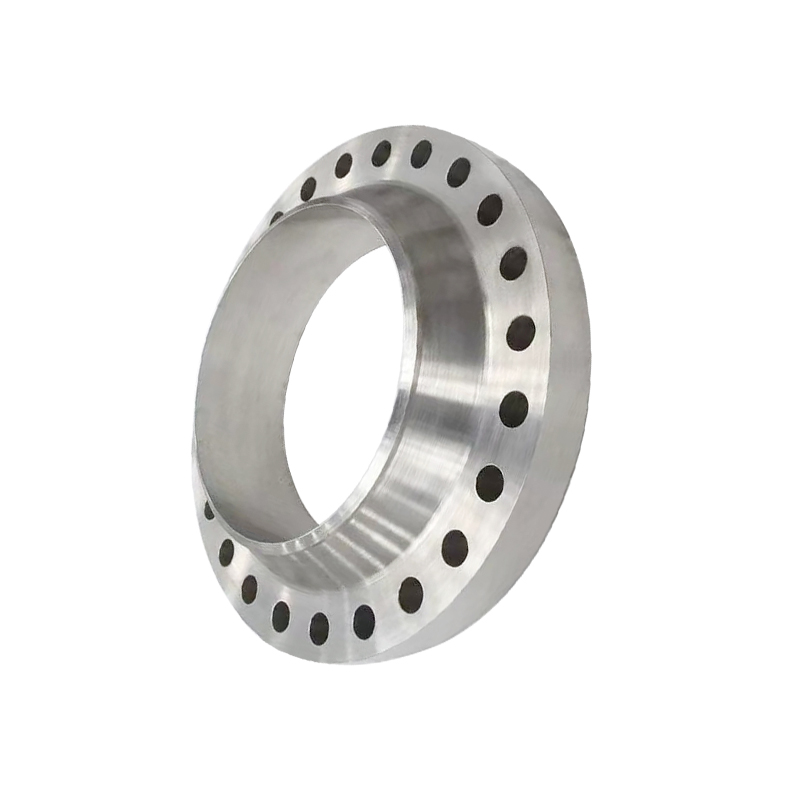
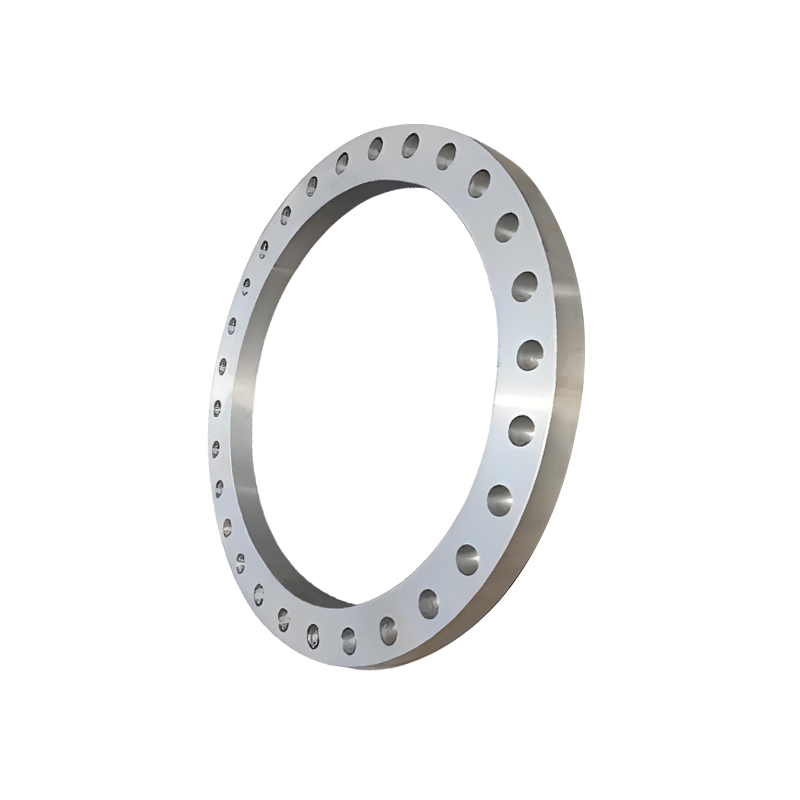
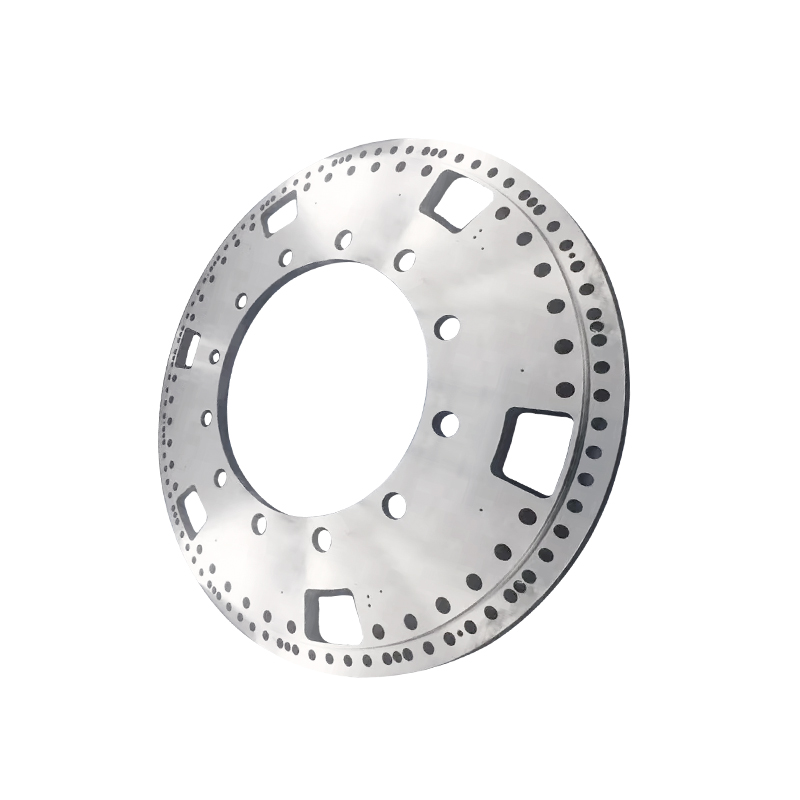
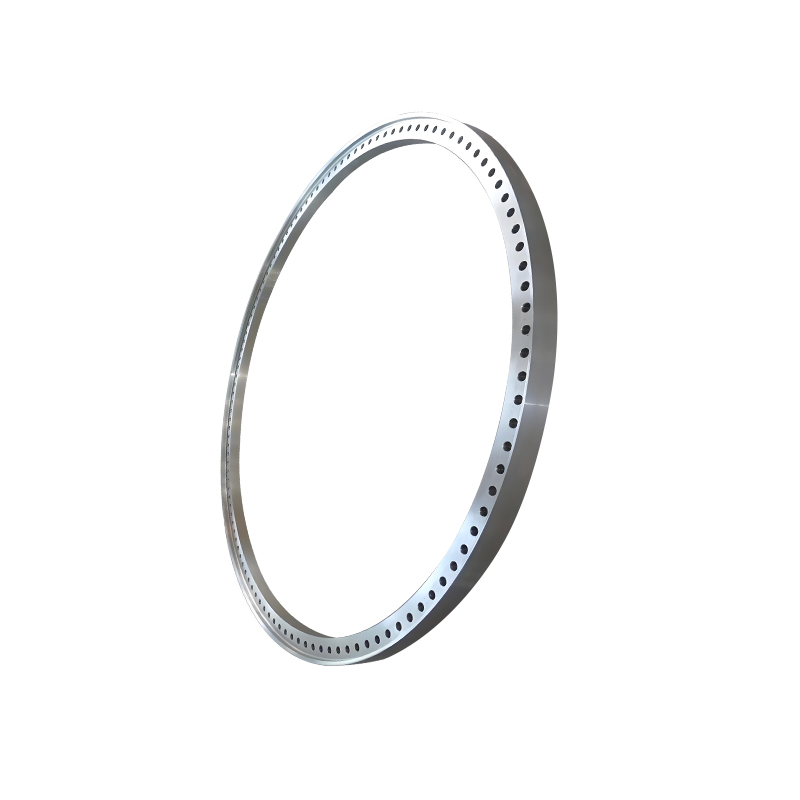
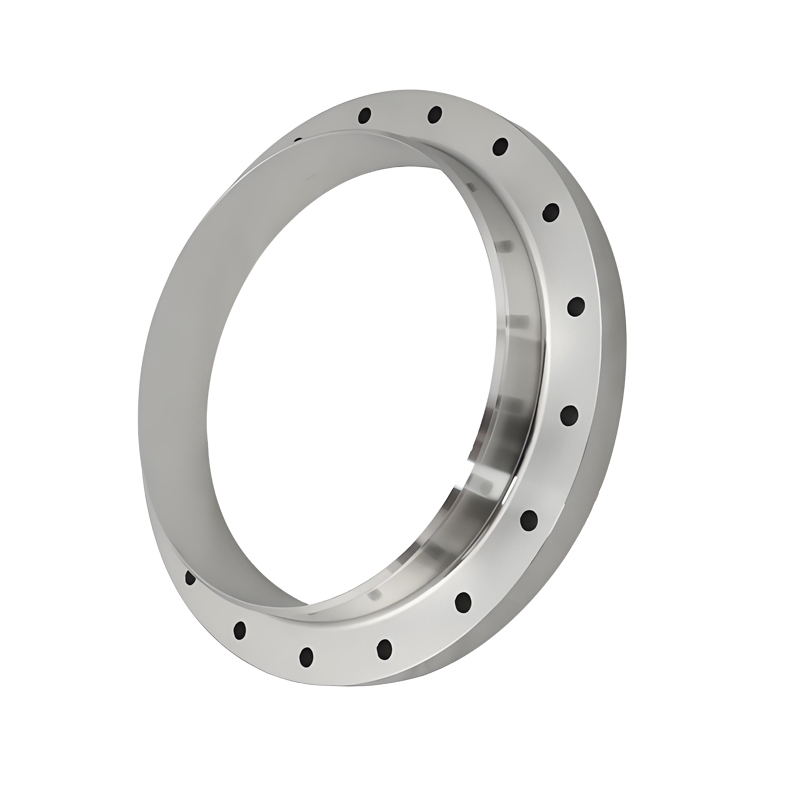
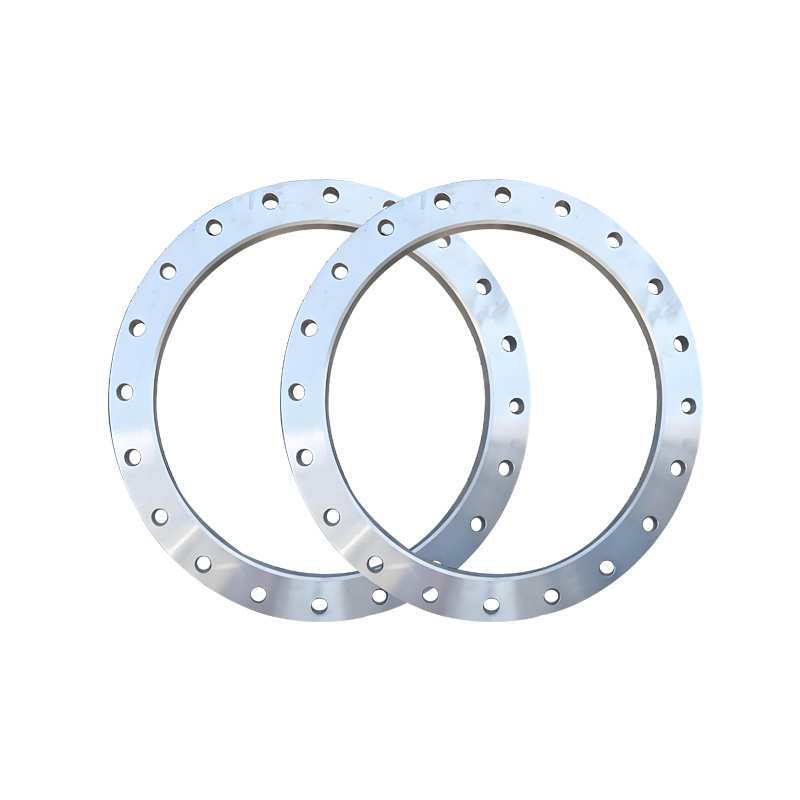
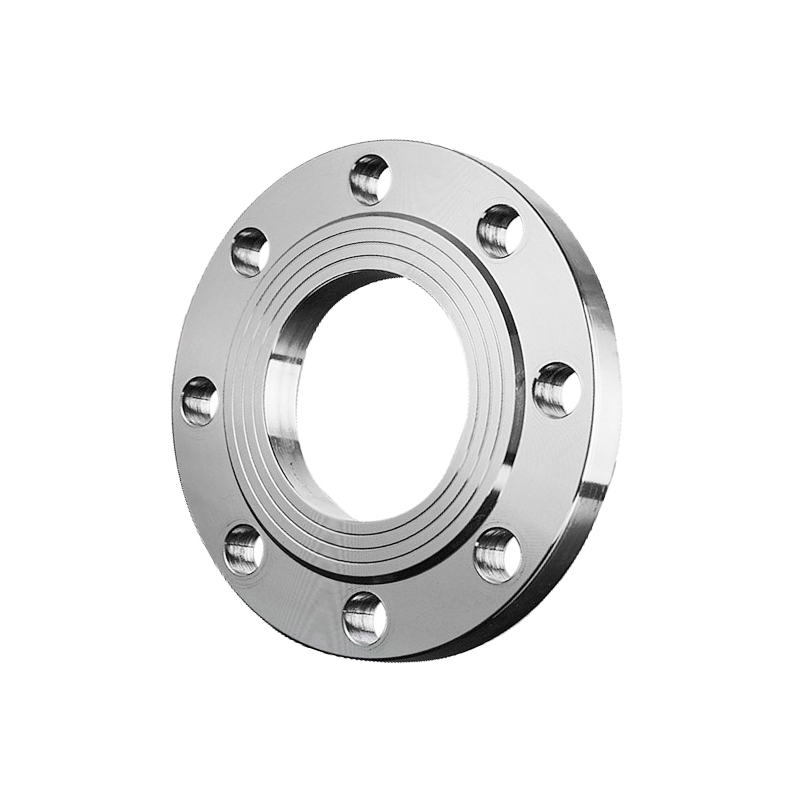
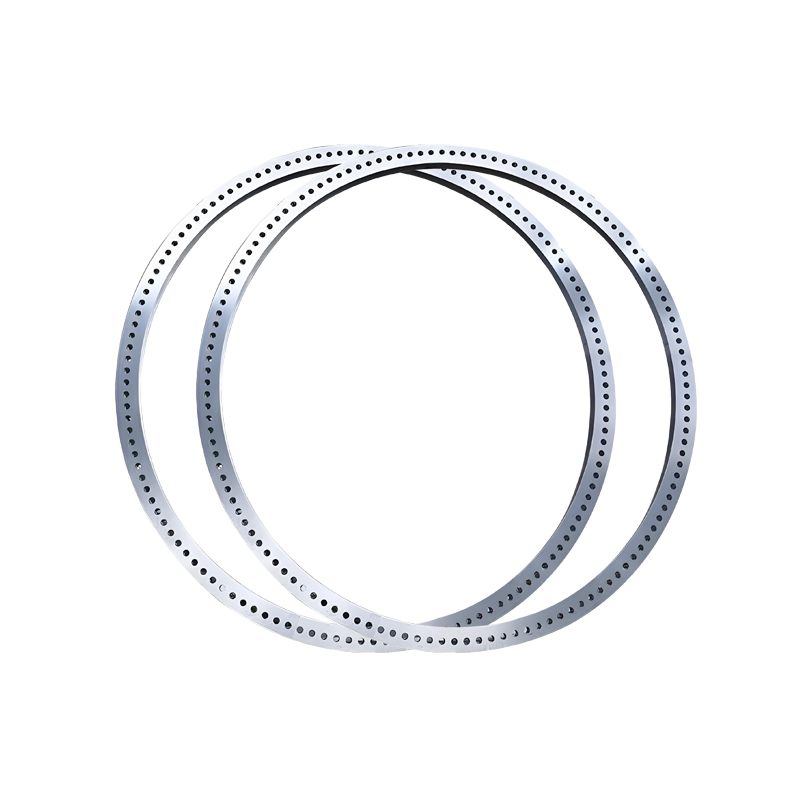
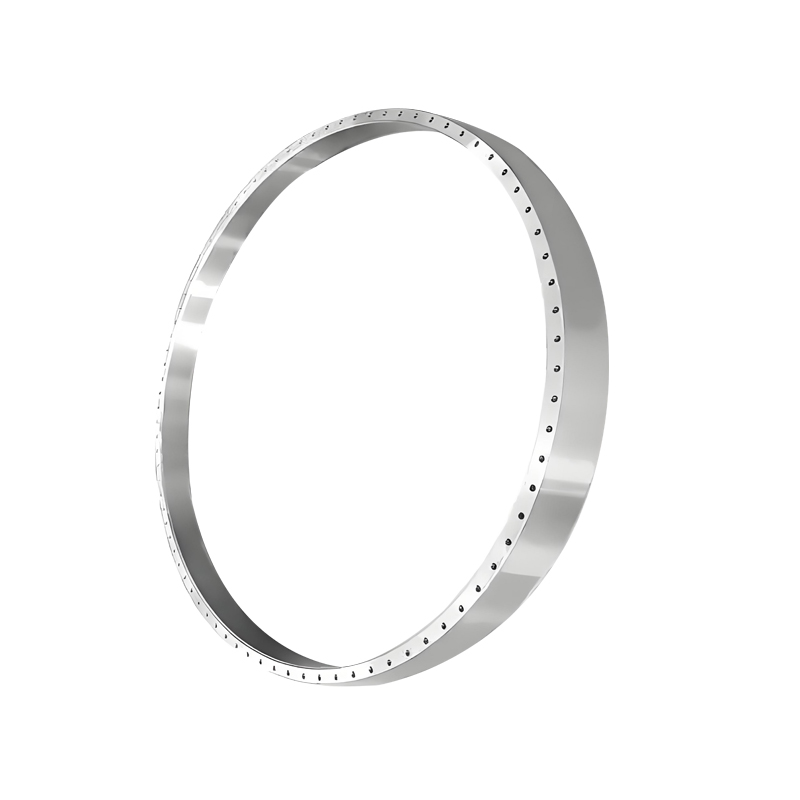
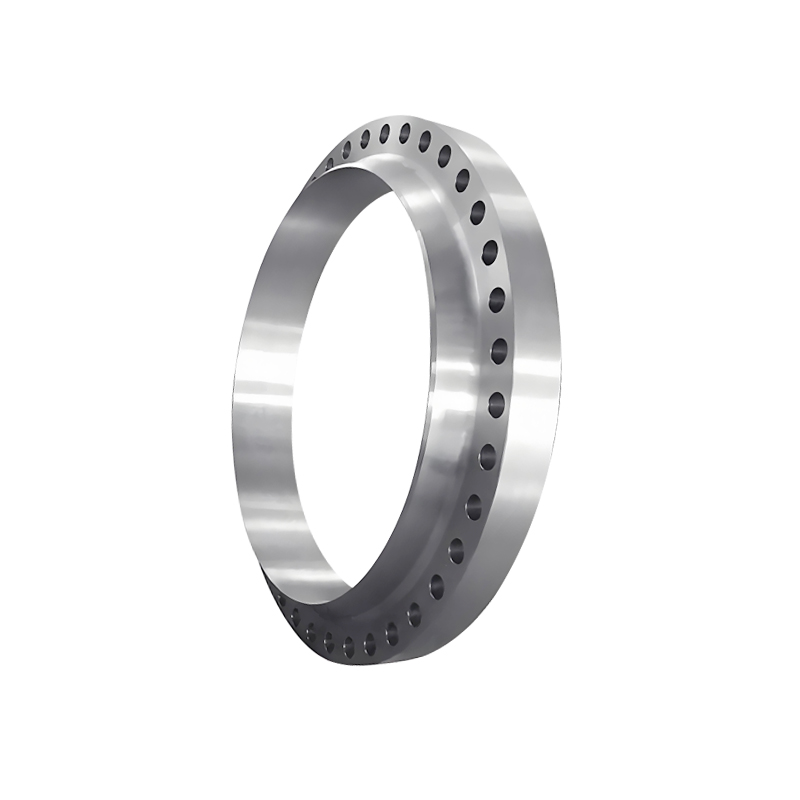
Steel pipe flange cover, also known as blind flange, is a commonly used pipeline accessory. The following is about its definition and structure. Steel pipe flange cover is a flange connection made of steel and used to seal the end of a pipeline. It consists of a cover plate body, bolt holes, and sealing surfaces. Some special models may also be equipped with reinforcement ribs or positioning devices according to requirements, which are connected to the pipeline flange through bolts to form a sealed structure.
Purpose
1. Pipeline sealing: can be used for temporary or permanent sealing of pipelines. During pipeline construction and maintenance, it can prevent residual medium leakage inside the pipeline and prevent external debris from entering the pipeline.
2. Equipment protection: During the transportation, installation, or idle period of industrial equipment, the inlet and outlet of the equipment can be sealed and protected to prevent impurities from entering the interior of the equipment and damaging components.
3. Pressure testing: When conducting pressure testing on pipeline systems, it is used as a sealing component to connect with the pipeline flange, forming a closed testing space for injecting testing medium and maintaining pressure.
Material
1. Carbon steel: Common materials include Q235, 20 #, ASTM A105, etc., which have good strength and economy and are suitable for general industrial pipeline systems.
2. Stainless steel: such as 304, 304L, 316, 316L, etc. have good corrosion resistance and are suitable for pipelines transporting corrosive media.
3. Alloy steel: including 12Cr1MoV, 15CrMo, ASTM A182 F91, etc., with high strength, high temperature resistance, corrosion resistance and other properties, suitable for harsh working conditions such as high temperature, high pressure, and strong corrosion.
Sealing surface type
1. Flat (FF): With a simple structure, it is suitable for pipelines with low pressure, non flammable, explosive, and non corrosive media.
2. RF (RF): Widely used, with certain sealing performance, suitable for medium and low pressure pipelines.
3. Concave convex surface (MFM): It has good sealing performance and is suitable for medium and high pressure pipelines. Mortise and tenon surface (TG):
4. Excellent sealing performance, suitable for flammable, explosive, toxic media and high-pressure pipelines.
5. Ring connection surface (RJ): mainly used for pipelines with high pressure, high temperature, flammable, explosive and toxic media, with reliable sealing performance.
Execution standard
1. International standards: The ISO 7005 series of standards specifies the dimensions, pressure ratings, and other parameters of steel pipe flange covers; The ANSI/ASME B16.5 standard provides detailed specifications for its pressure rating, material requirements, etc., and is widely used in high-end equipment in North America and industries such as petroleum and chemical.
2. National standard: GB/T 9123 "Steel Pipe Flange Cover" is the core national standard in China, which is divided into PN marked and Class marked flange cover standards according to pressure levels; GB 50235 "Code for Construction of Industrial Metal Pipeline Engineering" has mandatory provisions on its installation process and other aspects.
3. Industry standards: such as SH/T 3406 "Petrochemical Steel Pipe Flanges" standard, which has stricter regulations on the material selection and welding requirements for steel pipe flange covers used in the petrochemical industry; The DL/T 695 "Steel Welding Flanges for Power Plants" standard is applicable to pipeline systems in power engineering.
Installation key points
Preparation before installation: Check the appearance and dimensional specifications of steel pipe flange covers, pipe flanges, bolts, nuts, gaskets and other components to ensure that there are no defects and they match each other; Clean the sealing surface and bolt holes, remove oil stains, impurities, etc. Gasket installation: Place the gasket on the sealing surface of the pipeline flange, aligning its center with the center of the flange and corresponding to the bolt holes. If the design requires the use of sealant, an appropriate amount of sealant can be applied to the gasket. Bolt connection: Use a suitable wrench to evenly tighten the bolts to the specified torque, ensuring a tight fit of the sealing surface.



 English
 简体中文
简体中文






 Zhejiang Public Security Bureau Special Registration No. 33112302000124