

- Accept Customers' Materials For Processing

- Customized non-standard products

- Fast Delivery
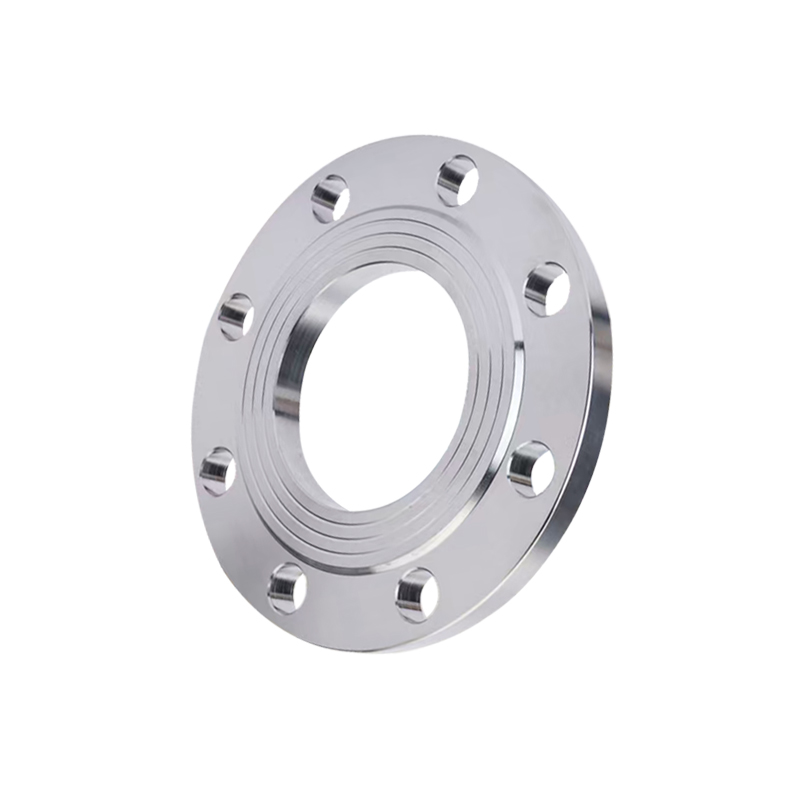
304 stainless steel flange
Stainless steel flange
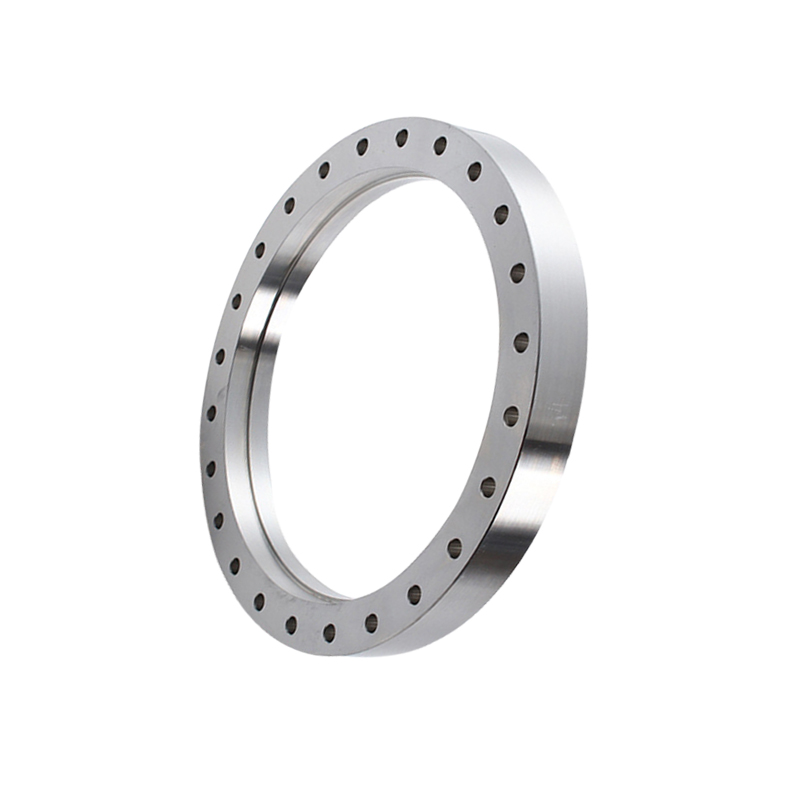
316 stainless steel flange
Stainless steel flange
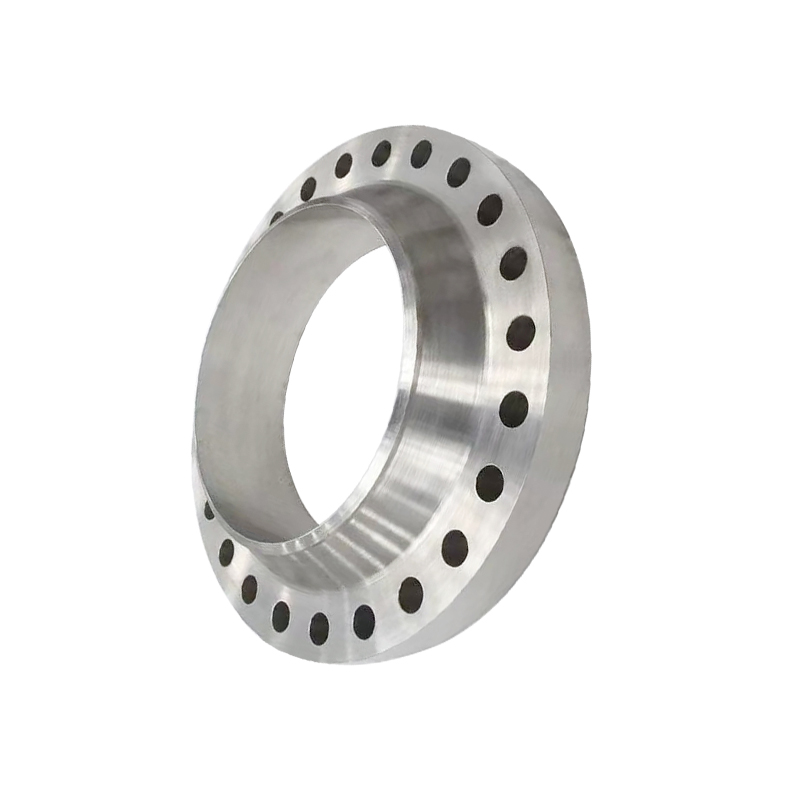
Stainless steel welded flange
Stainless steel flange
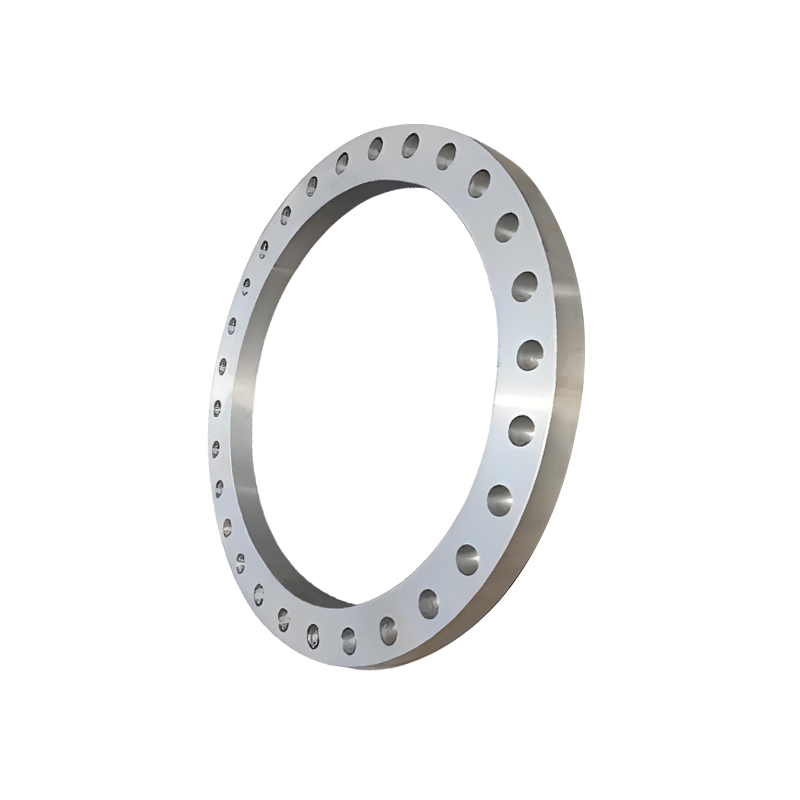
Stainless steel flat welding flange
Stainless steel flange
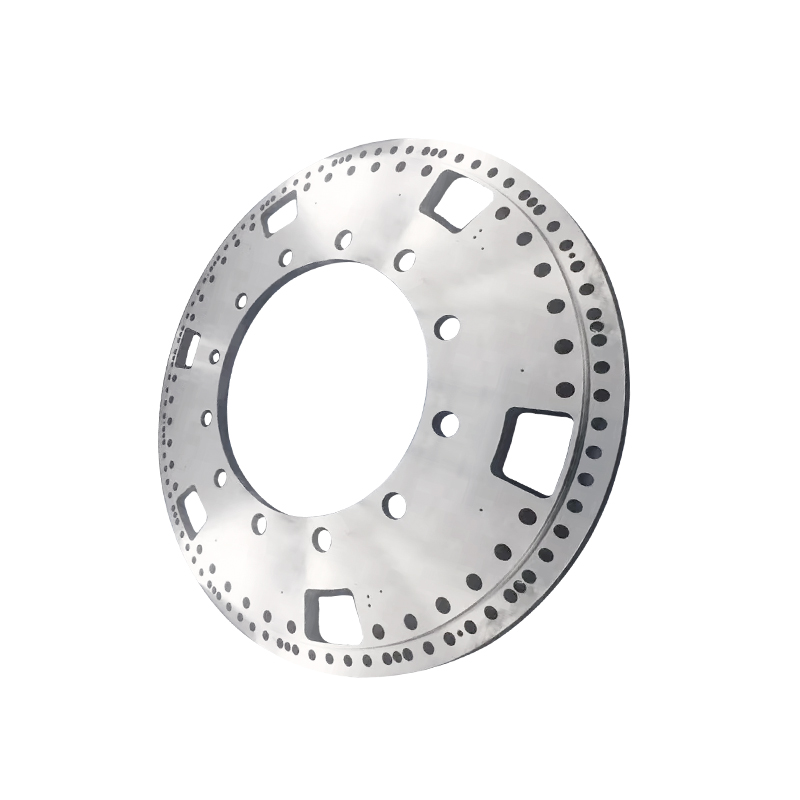
Stainless steel special-shaped flange
Stainless steel flange
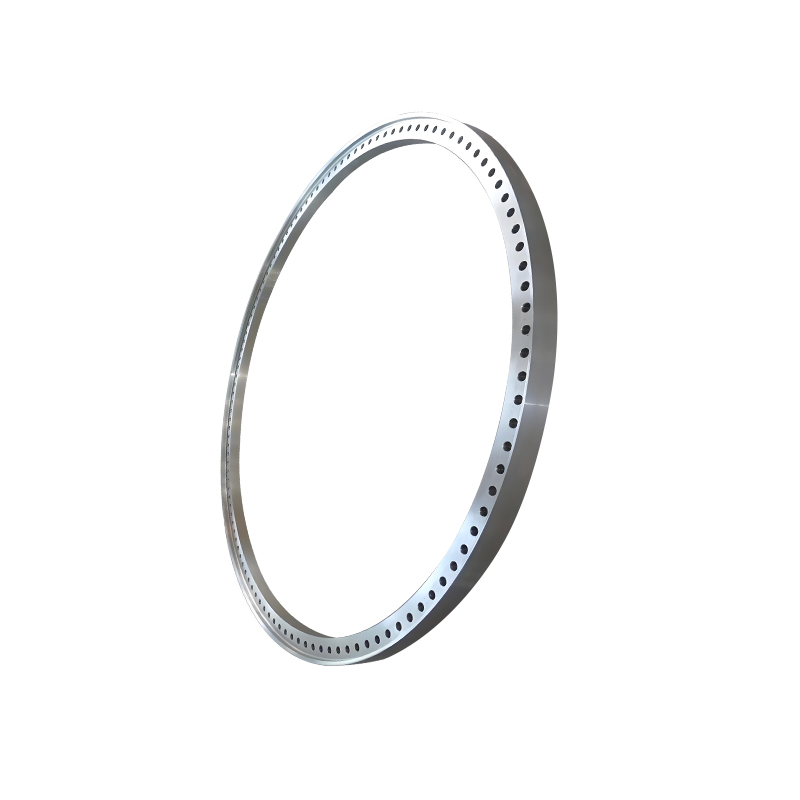
Large diameter stainless steel flange
Large-diameter flange
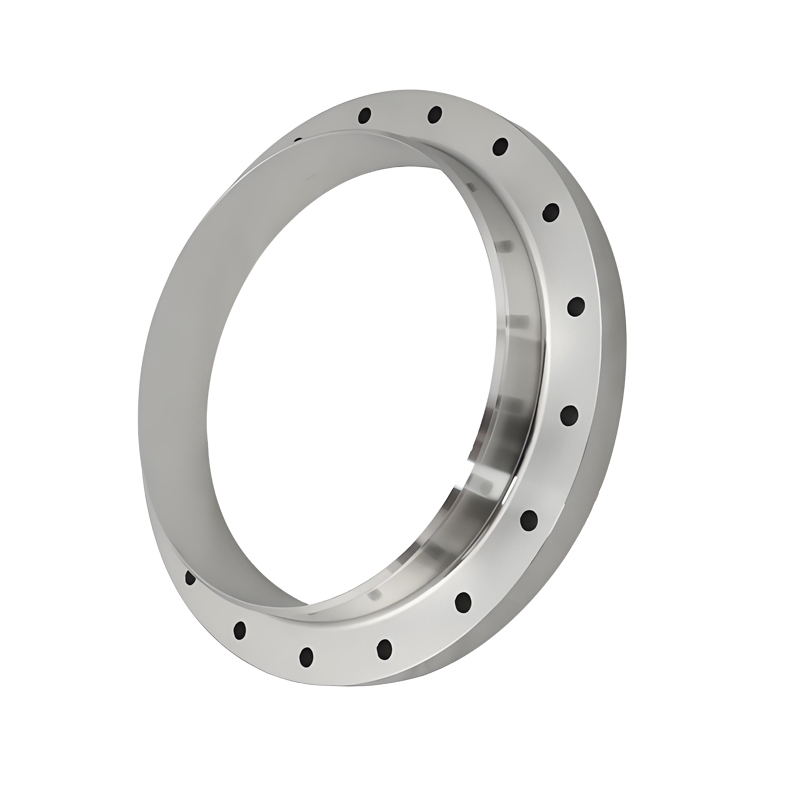
Large diameter welded flange
Large-diameter flange
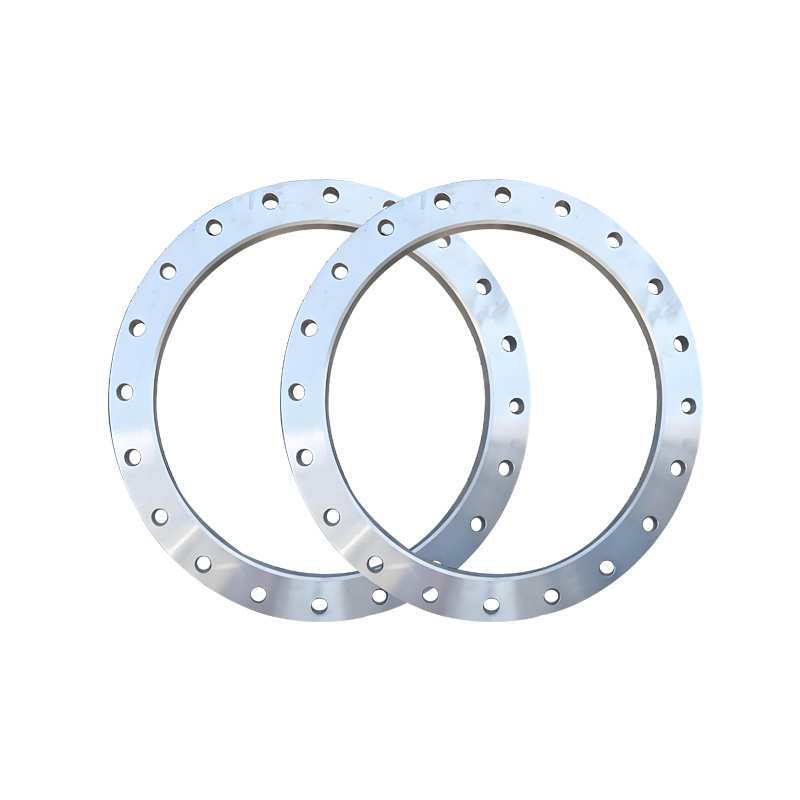
Large diameter flange
Large-diameter flange
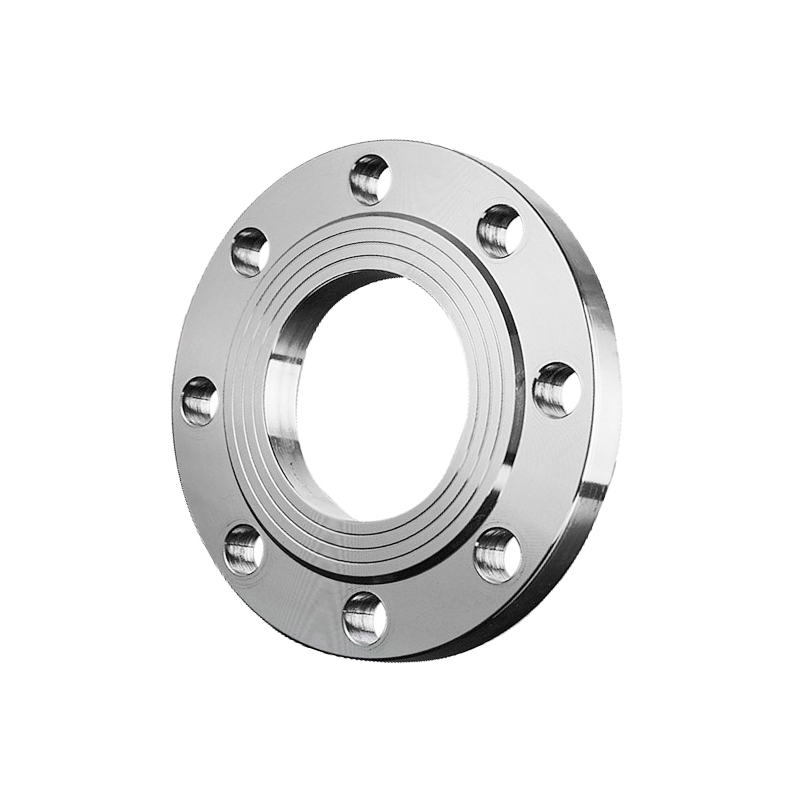
Large diameter high-pressure flange
Large-diameter flange
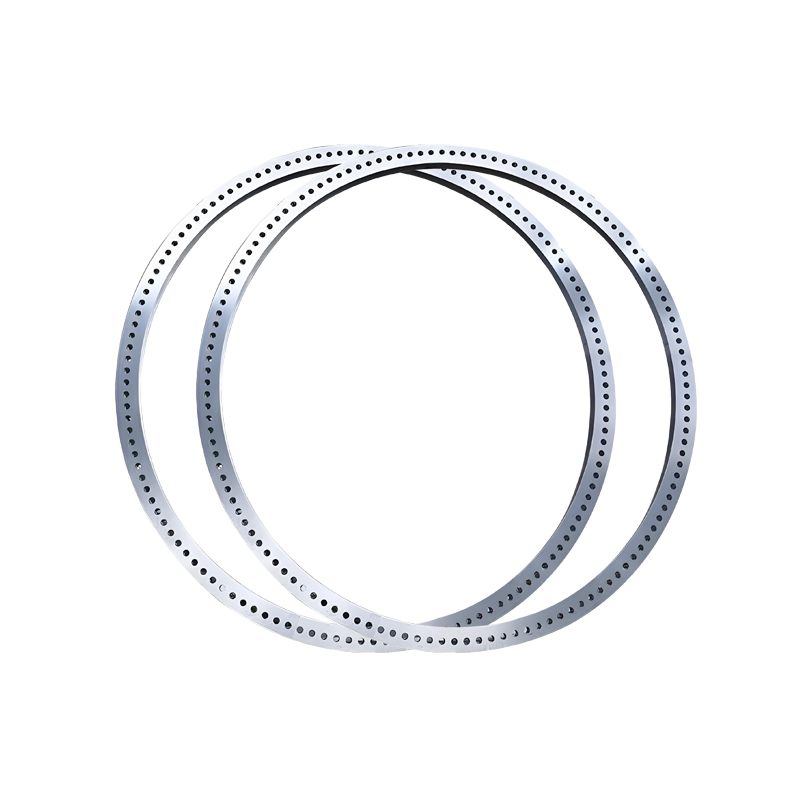
Large diameter flat welding flange
Large-diameter flange
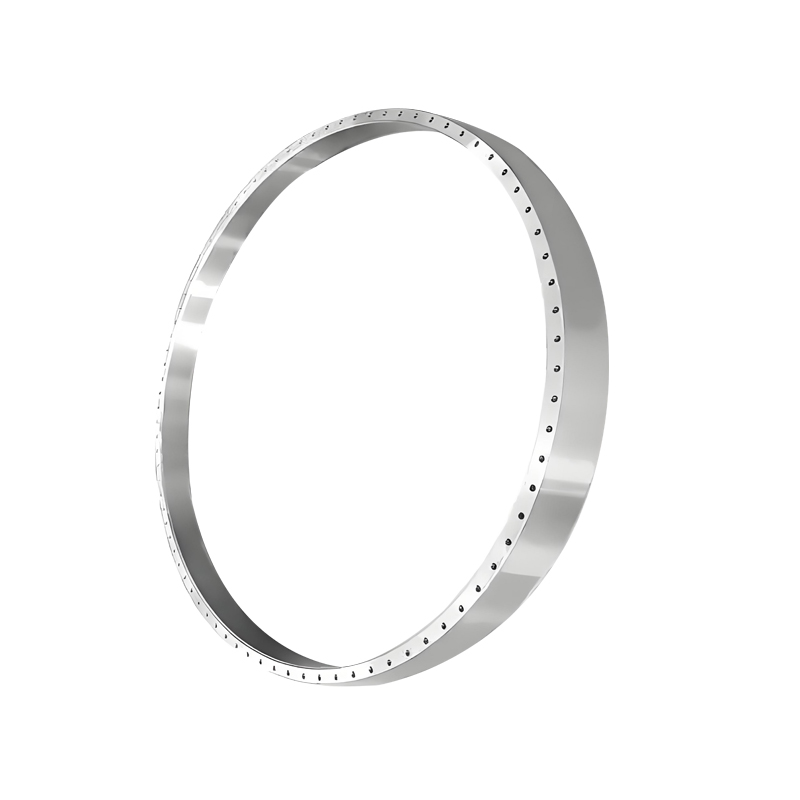
Carbon steel large-diameter flange
Large-diameter flange
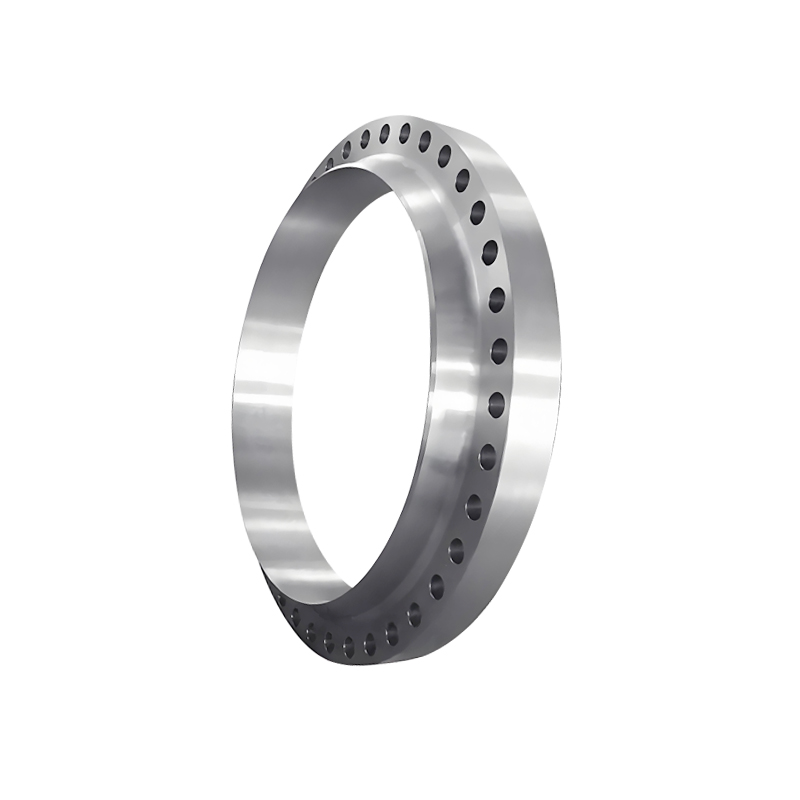
Neck welding flange
Weld Neck Flange

Telephone13566568412
 Contact Information:+86-0578-8196600 +86-0578-8520227
 Company Address: No. 92, Jin Cang Road, Dongcheng Industrial Zone, Suichang County, Lishui City, Zhejiang Province
 E-mail:hsjh@zjhsjh.com

Official website QR code

Copyright ©2019-2023.All Rights Reserved. Zhejiang ICP No. 09000134 - 1
Zhejiang Haisheng Jinhuan Machinery Co., Ltd. All rights reserved
 Zhejiang Public Security Bureau Special Registration No. 33112302000124
 English
 简体中文
简体中文